
Helicopter Tours from Anchorage 2026: Glacier Landings, Denali Flightseeing & What to Know
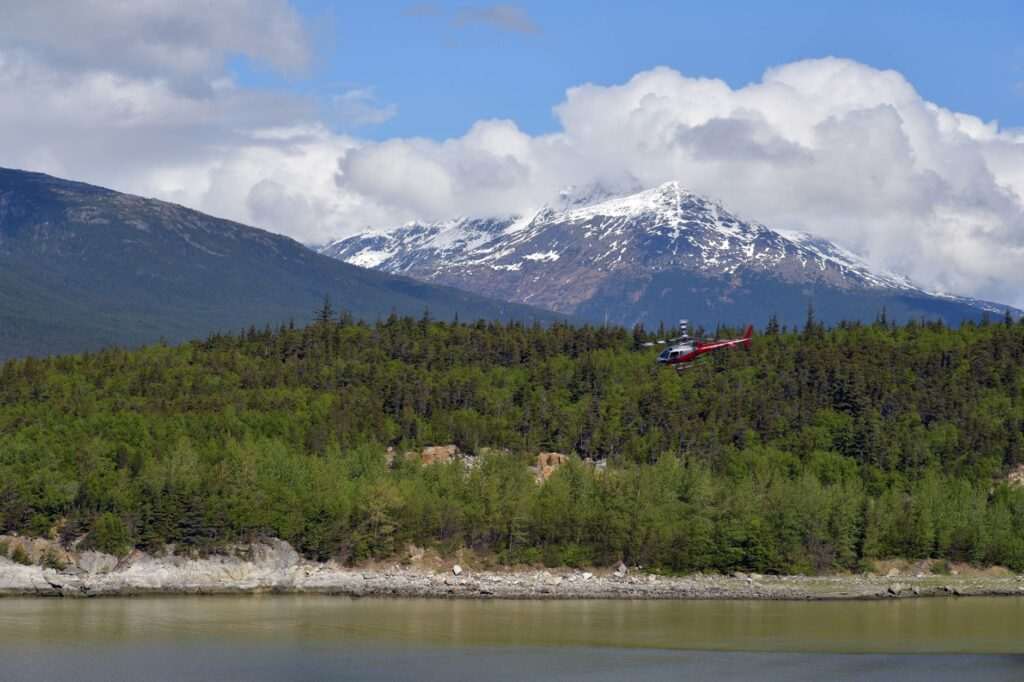
From the ground, Alaska’s scale is impressive. From a helicopter at 3,000 feet above the Chugach Mountains, it resets your understanding of what large means. Helicopter tours from Anchorage represent the most direct route to the aerial Alaska perspective — one that takes 20 minutes to reach terrain that would require days of hiking to access on foot, and that delivers glacier landings, wildlife sightings, and mountain panoramas that no road or trail can match. They are not cheap. They are, for most people who do them, the trip highlight.
Types of Helicopter Tours Available from Anchorage
Glacier Landing Tours
The most popular helicopter experience from Anchorage is the glacier landing: a flight out to an active glacier followed by a touchdown on the ice, where passengers can walk on the glacier surface, observe crevasses up close, and stand in the kind of remote terrain that feels genuinely inaccessible. The glaciers most commonly used for landing tours from Anchorage include Knik Glacier (about 45 miles northeast of the city, in the same river valley as the Knik River), Colony Glacier (in the Chugach Mountains above the Matanuska-Susitna Valley), and Matanuska Glacier (accessible by road but far more dramatic from the air). Glacier landing tours typically run 45 minutes to 2 hours total and include 20-30 minutes on the ice.
Denali Flightseeing
For visitors who want the Denali experience but can’t spend a week backpacking in the national park, flightseeing around the Alaska Range brings you within miles of Denali’s summit and provides a perspective on the mountain’s actual scale that ground-level viewing cannot. At 20,310 feet, Denali rises from a base plateau at roughly 2,000 feet — an effective vertical rise of over 18,000 feet in terrain that aircraft can orbit at close range. Denali flightseeing from Anchorage is typically a longer flight (the mountain is about 130 miles north of the city) and often involves a glacier landing near the Kahiltna base camp area used by summit expeditions.
Chugach Mountains and Coastal Tours
Shorter tours exploring the Chugach Mountains directly above Anchorage offer dramatic terrain access at lower prices and flight times than the Denali or Prince William Sound routes. The Chugach is immediately east of the city — the peaks visible from downtown — and helicopter access reaches glaciated terrain within minutes. Coastal tours over Cook Inlet and Turnagain Arm offer aerial views of the bore tide, beluga whale habitat, and the dramatic mountain-meets-ocean geography that defines Anchorage’s setting.
Wildlife Spotting from the Air
Bear viewing tours by helicopter cover terrain — river bars, berry patches, remote coastlines — that is otherwise accessible only by extended wilderness travel. Brown bears at salmon streams, moose in boreal wetlands, beluga whales in Cook Inlet, and Dall sheep on cliff faces above the snow line are all routinely observed on aerial wildlife tours. The altitude and the quieter approach of modern helicopter operations allows closer observation than ground approaches typically permit.
Key Operators Running Tours from Anchorage
Alaska Helicopter Tours operates glacier landing, mountain, and wildlife tours directly from the Anchorage area, with a range of itineraries covering the Chugach and Knik Glacier terrain. Rust’s Flying Service is one of Alaska’s longest-established air tour operators, offering flightseeing and glacier tours from their base on Lake Hood — the world’s largest seaplane base, adjacent to Ted Stevens Anchorage International Airport — in both fixed-wing and rotary configurations.
ERA Helicopters and TEMSCO Helicopters are two of the largest helicopter tour operators in Alaska, both with long operating histories in Southeast Alaska and expanding operations in the Southcentral region. K2 Aviation, based in Talkeetna, specializes in Denali flightseeing and glacier landings on the Kahiltna, making it the most direct option for visitors specifically focused on the Alaska Range. For Talkeetna-based Denali tours, K2 and Talkeetna Air Taxi are the established providers worth contacting directly.
What to Expect: Booking, Weight Limits, and Weather
Weight limits: All helicopter operators enforce weight limits per seat and sometimes per flight, both for safety and aircraft performance reasons. Most tours require passenger weight disclosure at booking; some operators require weight information to assign seating or configure the aircraft. This is standard practice and handled matter-of-factly — but it’s worth confirming the policy when booking rather than encountering it at check-in.
Weather cancellations: Helicopter tours in Alaska are weather-dependent. Low clouds, visibility restrictions, and icing conditions will ground flights, and operators prioritize safety over schedules without exception. Most operators offer rescheduling or full refunds for weather cancellations; confirm the specific policy when booking. The corollary is that if you have a clear day in Anchorage in summer, move your tour to that day if you can — good weather windows are worth seizing.
Booking in advance: Popular glacier landing tours book out weeks ahead in peak summer. Book before you arrive in Anchorage, not on arrival day. If you have scheduling flexibility, booking with a weather-dependent window (for example, “any day in the next four days”) gives operators more options to slot you into a clear-weather flight.
Safety briefing: Expect a thorough pre-flight safety briefing covering loose item protocols (cameras must be on neck straps or secured; nothing that can blow out of pockets), helicopter approach and exit procedures (never walk toward the tail rotor), and cold-weather clothing requirements. The briefings are not perfunctory — follow them precisely.
Cost Range: What You Get at Each Price Point
Helicopter tours from Anchorage run from approximately $250 per person for a shorter Chugach Mountains or coastal overview flight to $500–$700 or more per person for full Denali flightseeing with glacier landing. The pricing reflects flight time, fuel costs, and the operational complexity of glacier landings with guides. A middle-range option — $350–$450 per person for a glacier landing tour of one to two hours — represents the most popular format and delivers the glacier-walking experience most visitors are primarily seeking.
Multi-person charter rates are often available for groups of three to five, and can reduce the per-person cost compared to individual seat bookings. If you’re traveling with others, ask operators about charter options.
Best Time to Book
June through August represents the peak season — the longest days, the warmest glacier surface conditions, and the highest probability of wildlife activity. Late June and July offer the most reliable combination of good weather and maximum activity. May and September are shoulder seasons: fewer crowds, lower demand on booking availability, and potential for better pricing on some itineraries, but higher odds of weather-related cancellations and colder temperatures on glacier landings. The glaciers themselves are accessible year-round for charter operations, but summer is when the standard tour programs run at full capacity.
Tips for Your Helicopter Tour
- Dress warmer than you think necessary. Even on a 65°F Anchorage summer day, glacier landings are cold — the ice surface temperature is 32°F, the wind on the glacier is significant, and the altitude adds further chill. Layers are essential; operators often provide outerwear for glacier landings but bringing your own base layers is smart.
- Camera with a neck strap, always. Loose cameras are a safety hazard in helicopters. A neck strap or wrist strap is required by most operators and genuinely necessary. Leave the telephoto lens at the hotel — lighter and more compact is better in the air.
- No loose items. Hats, scarves, loose papers, sunglasses without securing straps — anything that can become a projectile or create distraction should be stowed. Operators are strict about this and for good reason.
- Book the morning flight if available. Morning tends to bring calmer atmospheric conditions in the Chugach and better visibility before afternoon cloud buildup. If a morning slot is available, take it.
- Confirm weight requirements at booking. Some operators require this information; providing it accurately prevents complications on tour day.
No comments yet.