
Family Vacation in Anchorage 2026: Best Activities, Tips & Itinerary for Kids
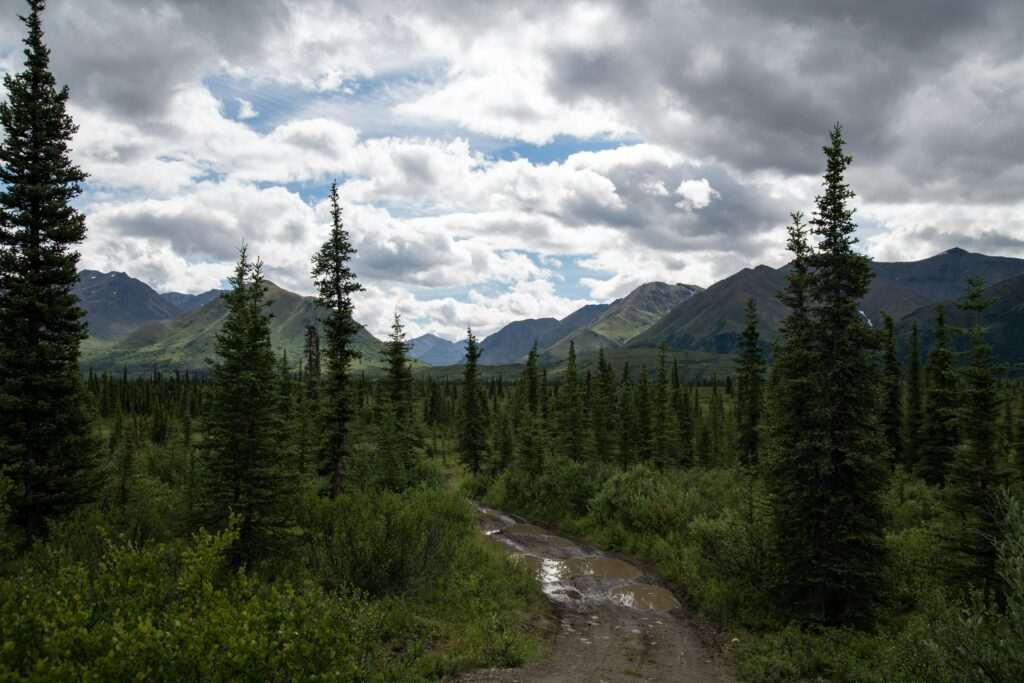
Anchorage punches well above its weight as a family travel destination. The city is safe, compact, and genuinely walkable in a way that few American cities of its size manage — you can get from the hotel to Ship Creek salmon viewing to the Coastal Trail to a good restaurant without a car on many summer days. More importantly, Alaska’s wildlife is accessible here in ways that feel almost implausible: moose appear in back yards, bald eagles perch on light poles, and beluga whales surface in the inlet visible from the highway. For families who want serious outdoor adventure without the logistical complexity of remote Alaska, Anchorage works as a basecamp in 2026 better than ever.
Why Anchorage Works for Families
Several things make Anchorage function well for family travel that aren’t obvious from the outside. The downtown core is flat, walkable, and safe — children can navigate the trail system along the coastal bluffs without crossing major roads. The summer daylight window (close to 19 hours near the solstice in late June) means flexible scheduling: dinner at 8 PM is still full daylight, and activities that would be rushed elsewhere extend naturally. The city has real infrastructure — good grocery stores, pharmacies, children’s hospitals, and a range of accommodation from budget hotel rooms to suite-configured family hotels with kitchens.
The wildlife density is the feature that surprises families most. Alaska Moose are the largest land animals in North America, and they appear in Anchorage’s greenbelts, parks, and even neighborhoods routinely. Seeing a cow moose with twin calves in a residential area is a common enough occurrence that locals barely pause — for visiting families, it’s a genuine wildlife encounter that rivals any zoo exhibit.
Top Indoor Family Activities
The Anchorage Museum has a dedicated children’s wing called the Imaginarium Discovery Center with hands-on science exhibits, a planetarium program, and Alaska natural history displays oriented toward younger audiences. The main museum’s Alaska history galleries are substantive enough for older children and teens to engage with seriously. The museum is a full half-day commitment for families with thorough kids; the children’s section alone runs two to three hours.
The Alaska Native Heritage Center is one of Anchorage’s best family destinations and one of the most underrated. The campus includes a traditional village setting with full-scale Yup’ik, Athabascan, Aleut, and Southeast Alaska clan structures staffed by Native cultural demonstrators. Children can ask questions directly of demonstrators performing traditional crafts, games, and activities. The short film in the Welcome House provides cultural context before the village walk. Older children (10+) will get the most from the cultural depth; younger children enjoy the outdoor village setting and hands-on elements.
The Alaska Zoo, located in South Anchorage, houses Alaska wildlife that families rarely encounter safely in the wild: brown bears, black bears, musk ox, caribou, wolves, Amur tigers, and snowy owls. Unlike mainland US zoos, the Alaska Zoo’s animals are primarily rescued or non-releasable wildlife native to the state — the context makes the exhibits more meaningful. Budget 3–4 hours; the grounds are large and the exhibits spread out.
Outdoor Adventures for Kids
Flattop Mountain is the most popular hike in Alaska and appropriate for children aged 6 and above in good conditions. The summit trail is roughly 3.4 miles round-trip with 1,300 feet of elevation gain — steep in places, particularly the final scramble, but not technical. The view from the top encompasses the full Anchorage bowl, Knik Arm, Cook Inlet, and, on clear days, Denali. The hike is best done on weekday mornings; weekend afternoons bring significant crowd and trail erosion issues. Bring layers — summit temperatures run 15–20°F cooler than the trailhead.
The Tony Knowles Coastal Trail is 11 miles one-way along Cook Inlet’s shoreline, but families with younger children typically bike the stretch between Westchester Lagoon and Kincaid Park (roughly 6–8 miles) and return the same way. Bike rentals are available near the trail. The trail runs directly along the bluff above Cook Inlet — beluga whale sightings from the trail are possible during salmon runs, and moose frequently graze in the spruce thickets adjacent to the path. The paved surface handles strollers and bike trailers easily.
The Potter Marsh Bird Sanctuary, 10 miles south of downtown on the Seward Highway, has a boardwalk over a tidal marsh that is one of the most child-friendly wildlife viewing spots in Anchorage. Arctic terns dive-bomb intruders in summer (they nest on the marsh islands), trumpeter swans and sandhill cranes are regulars, and salmon are visible from the boardwalk during the fall run. The flat, railed boardwalk works for strollers and is manageable for toddlers. Allow 45–90 minutes.
Wildlife Viewing With Kids
Moose in the city are the defining family wildlife experience of Anchorage. The Coastal Wildlife Refuge (the greenbelts running through midtown and south Anchorage) is the most reliable moose habitat, but encounters happen citywide. Teach children the moose safety rules before arriving: never approach, never get between a cow and her calf, give a moose a wide berth on trails and in backyards. A moose at 30 feet is safe; a moose at 10 feet is a real hazard, particularly cows with calves in spring and summer.
Salmon viewing at Ship Creek — the downtown fishing area visible from the railroad depot — is one of the most unusual family wildlife encounters in any American city. King salmon begin entering the creek in mid-June, and the fish are visible from the bridge and bank in clear water conditions. Children can watch fish the size of a forearm fighting the current a few feet below the bridge. The adjacent hatchery adds interpretive context about the salmon life cycle.
Beluga whales in Turnagain Arm are visible from Beluga Point (Mile 110 Seward Highway) and Bird Point (Mile 101) during salmon run timing, typically July through August. Both pullouts have parking and interpretive signs. The whales appear as white shapes moving through the tidal shallows — binoculars significantly improve the experience. The drive down the Seward Highway to these pullouts is itself family-worthy: Dall sheep on the cliffs above the road, bore tide timing displays at the pullouts, and some of the most dramatic fjord scenery accessible by car in Southcentral Alaska.
Day Trips With Kids
The Eagle River Nature Center, 30 minutes from downtown, is the best family day trip for younger children who aren’t ready for a long drive. The center has interpretive exhibits, naturalist staff, and the Albert Loop Trail — a 3.2-mile loop through Chugach State Park that is manageable for children aged 5 and up. Moose sightings on the trail are common. The center runs summer programs specifically for children including guided nature walks and wildlife identification activities.
Portage Glacier, roughly an hour south via the Seward Highway, is a reliable family destination that works for all ages. The Begich, Boggs Visitor Center has glacier exhibits and an IMAX-style film about Alaska’s glaciers. Boat tours on Portage Lake run to the face of the glacier — children can touch icebergs from the boat. The short trail from the visitor center gives views of the glacier across the lake. This half-day combination (visitor center, boat tour, short walk) works well for families with children as young as 4.
Girdwood, 45 minutes south, offers the Alyeska Aerial Tram (child-friendly, no age restriction, spectacular mountain views) and Crow Creek Mine (gold panning — reliably engaging for children 6 and up). The combination of tram ride and gold panning makes Girdwood an easy full family day without extensive hiking.
Family Restaurants in Anchorage
Anchorage’s restaurant scene is more diverse than visitors expect. For families with children, the most reliable options are casual spots with broad menus and genuine Alaska seafood: Humpy’s Great Alaskan Alehouse (large portions, salmon and halibut options, lively atmosphere), Snow City Cafe (breakfast and lunch, local institution with genuinely good food), and the 49th State Brewing Company (pub-style menu with kids’ options and an outdoor terrace that’s popular in summer). For a special family dinner, Marx Bros. Cafe offers fine dining that older teens can appreciate. Avoid rushing the dining experience — summer evenings stay bright until 11 PM, so there’s no urgency to eat before dark.
Age-Appropriate Pacing by Age Group
Toddlers and young children (ages 2–5) do best with short-duration activities and proximity to home base: Potter Marsh boardwalk, Coastal Trail biking in a trailer, the Alaska Zoo, and the Imaginarium at the Anchorage Museum. Drive-based wildlife viewing (moose in neighborhoods, beluga pullouts on the Seward Highway) avoids hiking fatigue. Keep hotel stays centrally located in Anchorage proper to minimize car time.
Children ages 6–12 can handle Flattop Mountain, Eagle River Nature Center trails, and Portage Glacier boat tours. Day trips to Girdwood and Whittier work well at this age range. Build in at least one rest day in a multi-day itinerary — the enthusiasm to hike every day frequently outpaces the actual capacity of children this age, and a hotel pool afternoon saves a lot of end-of-trip grumbling.
Teenagers can handle the full range of adult Alaska activities — SUP on Eklutna Lake, zip lining in Girdwood, guided salmon fishing at Ship Creek, day trips to Seward for a Kenai Fjords boat tour. Teens often engage most deeply with activities that feel like real-stakes outdoor experiences rather than tourist-paced excursions. A morning guided salmon fishing session at Ship Creek is often the highlight of the trip for teenagers who’ve never caught a large fish.
Alaska Wildlife Safety for Families
Two conversations to have with children before arriving: moose behavior and bear awareness. Moose are the more common encounter in Anchorage proper, and children who grew up with deer-sized cervids in other states genuinely underestimate the size and unpredictability of a moose in defensive mode. A cow moose protecting a calf will charge without warning. The rule: if a moose is between you and your destination, change your route. Give every moose at least 50 feet of space.
Bears are less common in urban Anchorage but present in the Chugach greenbelts and on most day trip routes. Bear spray for the lead adult on any trail outing is basic practice — it’s available at Sportsman’s Warehouse and REI in Anchorage. Teach children the make-noise-on-the-trail habit, particularly on blind corners and through dense brush. Most bear encounters in managed trail corridors resolve with the bear leaving; surprise encounters at close range are the category to avoid.
Best Time of Year for a Family Visit
June through August is the peak family window, aligned with school summer holidays and the best weather. Late June and July offer the longest daylight and peak wildlife activity. August adds salmon run timing for Ship Creek viewing and slightly reduced crowds compared to July. September brings fall color and cooler temperatures — a possible shoulder-season option for families with flexible school schedules, but some activities and operators close by mid-September.
Budget Planning for a Family Alaska Trip
Alaska costs more than most Lower 48 destinations. Budget conservatively $200–$350 per night for family-appropriate hotel accommodation, $80–$120/day for food for a family of four eating at a mix of casual and grocery options, and $50–$150 per person for guided activities (boat tours, glacier treks, and fishing charters are at the high end). Free activities are genuinely plentiful — the Coastal Trail, Potter Marsh, Ship Creek salmon viewing, wildlife pullouts on the Seward Highway, and most of Anchorage’s urban parks cost nothing. A family trip that mixes one or two premium experiences with a base of free outdoor activities is both financially sustainable and experientially rich.
Packing for Alaska With Kids
The non-negotiable list: rain gear for every family member (a waterproof shell and rain pants each, not a single umbrella), layering base and mid-layers for temperature swings, sturdy closed-toe shoes appropriate for uneven trail terrain, sunscreen (summer UV is intense at this latitude despite the cool temperatures), and insect repellent for July visits when mosquitoes peak. For families visiting in July: DEET-based repellent is more effective than natural alternatives in Alaskan conditions. A small daypack for each older child distributes gear without overburdening any single person on longer hikes.
Featured photo by John De Leon on Pexels.
No comments yet.