
Kayaking Near Anchorage 2026: Best Paddling Spots, Tours & Day Trips
Alaska’s proximity to open ocean, glacial lakes, and protected fjord systems makes it one of the most compelling paddling destinations in North America — and Anchorage sits at the center of it all. Within a two-and-a-half-hour drive, you can find flatwater lake paddling suitable for a first-time kayaker, protected coves in Prince William Sound, day trips to Kenai Fjords where orcas and calving glaciers share the same water, and everything in between. Here is a practical guide to kayaking near Anchorage in 2026, organized by distance from the city and matched to skill level.
Eklutna Lake: Flatwater Paddling 45 Minutes from Downtown
Eklutna Lake, in the foothills of the Chugach Mountains about 45 minutes northeast of Anchorage off the Glenn Highway, is the closest serious flatwater paddling to the city. The lake stretches seven miles into a glacially carved valley, with the Eklutna Glacier visible at the far end and peaks rising steeply on both sides. The water is a milky blue-green from glacial silt — the same color that marks glacier-fed lakes throughout Alaska.
Paddling conditions here are generally calm in the mornings, with wind building through the afternoon as valley thermals develop. Beginners and families will find the near-shore areas forgiving; longer paddles toward the glacier end of the lake offer a full-day expedition feel without the technical demands of open ocean. Wildlife sightings along the shoreline — moose wading in the shallows, Dall sheep on the slopes above — are common enough to plan for. The lake’s campground makes it viable as an overnight if you want to split the distance over two days.
Most outfitters that serve Eklutna do not maintain a dedicated rental stand at the lake, so transport your gear from Anchorage or arrange with an Anchorage-based paddle shop. Inflatable kayaks and packrafts work well on this flatwater if you’re flying in without hardshell boats.
Whittier and Prince William Sound: The Premier Sea Kayaking Base
Whittier is the gateway to Prince William Sound and the most logistically accessible sea kayaking base from Anchorage. The town sits 60 miles southeast via the Anton Anderson Memorial Tunnel — the longest highway tunnel in North America — and the drive takes about an hour and fifteen minutes. Most visitors leave Anchorage early and are on the water by mid-morning.
Prince William Sound is a 15,000-square-mile network of protected fjords, coves, and passages studded with tidewater glaciers, forested islands, and wildlife that treats human paddlers with comfortable indifference. Harbor seals haul out on ice floes. Sea otters float in kelp beds within paddle’s reach. Humpback whales work the deeper channels. The Sound’s protected topography makes it far more accessible to beginning and intermediate paddlers than open-ocean destinations, but it still demands cold-water preparation and sound judgment about weather.
The Prince William Sound Kayak Center in Whittier is the primary outfitter for guided sea kayaking in the Sound, offering half-day and full-day tours, multi-day expeditions, and equipment rental for experienced paddlers ready for self-guided travel. Chugach Adventures offers additional guided options across the Southcentral Alaska region, including Prince William Sound departures. For visitors without their own boats, guided departure is the right choice: conditions in the Sound can change fast, currents matter near glacier fronts, and local knowledge is worth more than it costs.
Multi-Day Prince William Sound Expeditions
Three to five days on the water allows you to reach fjords — Harriman Fjord, College Fjord, Barry Arm — that are inaccessible on a day trip from Whittier and where the density of tidewater glaciers and wildlife is dramatically higher than in the outer Sound. Multi-day paddling here requires solid cold-water skills and honest self-assessment. If your experience is primarily warm-water paddling, spend a day trip in the Sound first and evaluate honestly before committing to a multi-day route.
Alaska Wilderness SUP runs guided multi-day paddling trips across Southcentral Alaska, pairing expert local knowledge with properly outfitted safety gear — a strong option for intermediate paddlers who want to extend their time on the water without navigating the logistics independently.
Kenai Fjords and Resurrection Bay: The Seward Day Trip
Seward sits 125 miles south of Anchorage via the Seward Highway — a two-and-a-half-hour drive through Turnagain Arm, the Kenai Mountains, and the approach to Resurrection Bay that consistently ranks among the most scenic road corridors in North America. Seward is where most visitors access the Kenai Fjords National Park coastline, and sea kayaking here puts you in contact with the park’s most dramatic wildlife and glacier scenery.
Resurrection Bay’s protected waters are paddleable for intermediate kayakers, particularly on calm summer mornings before afternoon winds build. The outer coast — particularly around Aialik Bay and Northwestern Fjord, accessible by water taxi from Seward — pushes into more serious expedition territory but delivers glacier fronts and wildlife densities that make it the paddling highlight of the Kenai Peninsula for many visitors.
Liquid Adventures Kayak Company operates guided sea kayaking tours from Seward into Resurrection Bay and, on extended trips, into the outer Kenai Fjords. Day tours typically paddle past sea lion rocks, through kelp beds dense with sea otters, and within sight of tidewater glacier calving. Orcas are regularly encountered on outer coast routes. This is the most wildlife-concentrated paddling accessible from Anchorage within a day trip, and it consistently ranks as the most memorable paddle experience for visitors doing the Seward run as part of an Anchorage-based Alaska itinerary.
Portage Lake: Paddling Among Icebergs
Portage Lake, about an hour south of Anchorage off the Seward Highway in the Portage Valley, offers one of the most unusual paddling experiences in Southcentral Alaska: flatwater kayaking among floating icebergs calved from Portage Glacier. The glacier has retreated significantly in recent decades — it is no longer visible from the highway as it was in the 1970s — but it still calves enough ice into the lake to scatter blue-white floes across the water surface throughout the summer.
Kayakers can launch from the Begich Boggs Visitor Center area for flatwater paddles among the ice. Portage Glacier Tours provides boat access to the lake and is the primary organizing presence in the valley for visitor experiences. The scenery here is surreal — the surrounding peaks hold permanent snow even in summer, the glacier is visible from the water at the head of the lake, and the icebergs up close are translucent blue rather than the opaque white they appear from shore.
The primary hazard is the cold. Portage Lake is glacially fed, and water temperature is low enough to incapacitate a swimmer within minutes even in August. Wear a drysuit or wetsuit regardless of air temperature. A sunny 65°F day at Portage Lake looks warm but is not safe to paddle in a bathing suit.
Wildlife Encounters on the Water
Kayaking in Southcentral Alaska puts you at eye level with wildlife that tour boat passengers watch from a higher vantage. Sea otters are common in both Prince William Sound and Kenai Fjords — they float within a paddle’s length of a kayak before diving, apparently more curious than alarmed. Harbor seals haul out on ice floes throughout the Sound. Humpback whales work the deeper passages; if you encounter a feeding whale, maintain distance and hold position. A breaching humpback near a kayak is an experience that concentrates the mind in useful ways.
Brown bears and black bears are present along most coastlines in Southcentral Alaska, particularly near creek mouths in August and September when salmon are running. Landing on beaches requires bear awareness. Carry bear spray in an accessible location — not buried in a dry bag — and make noise when moving through dense brush. Moose can be encountered wading in lake shallows; give them significant distance, especially cows with calves in spring and early summer.
Cold Water Safety: Drysuits, Wetsuits, and What Immersion Actually Means
The water temperature of Prince William Sound, Kenai Fjords, and glacier-fed Alaska lakes ranges from roughly 38°F to 52°F through the summer paddling season. Immersion in water this cold produces cold shock — involuntary gasping that can cause aspiration — within seconds, and incapacitation of major muscle groups within minutes. Self-rescue becomes extremely difficult once the muscles stop cooperating. Paddlers die in Alaska waters every summer in conditions that appeared manageable from the shore.
The appropriate gear is a drysuit for sea kayaking and any open-ocean paddling. A full wetsuit of 5mm or more is the minimum for protected flatwater like Eklutna Lake or the inner Sound. A drysuit with appropriate insulating layers underneath is correct for Prince William Sound and Kenai Fjords regardless of the air temperature — even on a warm August day when the sky is clear and the water looks inviting. Operators like AK Paddlesports and Anchorage Kayak Adventures can advise on gear and rentals, and will typically require or strongly recommend appropriate immersion protection for any open-water paddling they support.
Tides are a planning factor in Prince William Sound and Resurrection Bay. Current patterns around glacier fronts and passage constrictions can run stronger than expected on the wrong tide. Check NOAA tide tables before any significant open-water route, and plan so you are not fighting a substantial ebb current on the return leg when fatigue has accumulated.
Guided Tours vs. Independent Paddling
The case for guided tours in Alaska sea kayaking is strong, particularly for visitors who have experience primarily in warmer or calmer water. Local guides carry VHF radios, know current conditions and weather patterns for specific areas, and can identify wildlife and navigate hazards that are not obvious on a chart. For most visitors who are not already experienced Alaska sea kayakers, a guided day trip on Prince William Sound or Resurrection Bay is the right first step — it gives direct experience with Alaska conditions from which you can make an informed decision about independent paddling.
Independent paddling is appropriate for paddlers with solid cold-water immersion training, self-rescue skills, experience reading marine weather, and enough Alaska-specific knowledge to plan routes responsibly. If that is you, operators like Prince William Sound Kayak Center rent to experienced self-sufficient paddlers and can advise on current conditions. The Kenai Fjords National Park visitor center in Seward is also a useful resource for route planning and conditions for the outer coast.
Gear Rentals and Equipment in Anchorage
AK Paddlesports is the primary full-service paddling shop in Anchorage, with kayak and SUP rentals, gear, and staff who paddle Alaska waters regularly. They can outfit you for everything from a day on Eklutna Lake to a week in Prince William Sound. Most Whittier-based operators also rent boats at the launch, which avoids the logistics of transporting a kayak through the Anton Anderson Tunnel. If you are flying in, inflatable kayaks perform adequately on protected flatwater and pack into luggage; they are not appropriate for open-ocean paddling in the Sound or Kenai Fjords.
Best Time to Paddle: June Through August
The reliable paddling season runs from mid-June through late August. June and July offer the most daylight — up to 19 hours near the solstice — which extends viable paddling windows significantly. July and August are the most active months for wildlife, particularly whales and sea otters. Water temperatures peak in August, which slightly reduces cold-water risk compared to early June, though the difference matters only at the margins — a drysuit is appropriate all season.
September is viable for experienced paddlers — cooler, less crowded, and often drier than July — but the weather window is narrower and some outfitters begin winding down operations. May is possible in inland lakes when snowmelt has subsided, but conditions are less predictable and some operators have not yet opened for the season. The specific window varies by destination; Seward-based operators typically run through mid-September.
Matching Paddling Destinations to Skill Level
- Beginners: Eklutna Lake (flatwater, calm mornings), Portage Lake (flatwater, iceberg scenery), guided half-day tours in Resurrection Bay from Seward, or guided half-day tours in the inner Sound from Whittier. All require cold-water appropriate clothing regardless of skill level.
- Intermediate: Full-day guided tours in Prince William Sound, self-guided Resurrection Bay on calm mornings, Eklutna Lake full-lake out-and-back with early start. Drysuit required for any open ocean paddling.
- Advanced/Expedition: Independent multi-day travel in Prince William Sound, outer Kenai Fjords routes accessed by water taxi from Seward, self-guided trips into College Fjord or Harriman Fjord. Cold-water self-rescue competency and VHF radio communication are non-negotiable prerequisites.
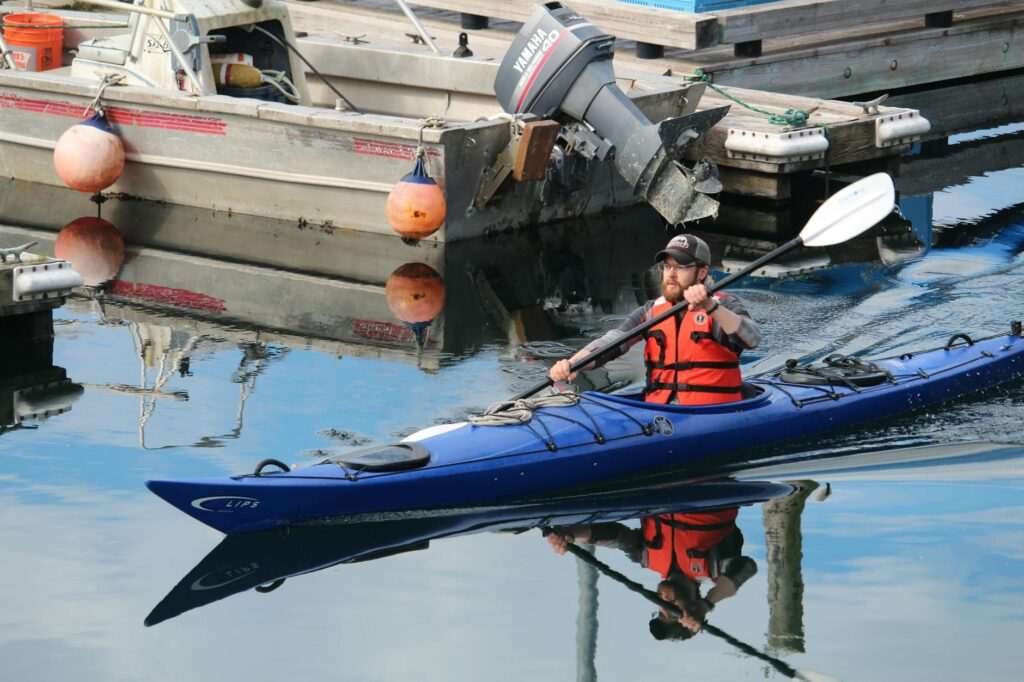
Featured photo by Howard Herdi on Pexels.


No comments yet.