
Whale Watching Near Anchorage 2026 | Beluga, Humpback & Orca Viewing Guide
Anchorage offers whale watching that doesn’t require a boat. Beluga whales follow the salmon runs into Turnagain Arm, the narrow inlet south of the city, and the Seward Highway that runs along the Arm’s shore gives motorists real chances at close-range sightings from pullouts. Beyond the urban beluga experience, the waters accessible from Anchorage — Prince William Sound, Cook Inlet, and Kenai Fjords — rank among North America’s most productive marine mammal viewing areas. This guide covers where to see whales near Anchorage in 2026, when to go, and what operators run the best tours.
Beluga Whales in Turnagain Arm: The Only Urban Beluga Viewing in North America
The Turnagain Arm beluga population is one of the most unusual wildlife viewing opportunities in Alaska. Cook Inlet belugas are a distinct, endangered subpopulation — numbering around 300 animals — and they use the shallow tidal flats of Turnagain Arm as a feeding area when salmon runs are active. The Seward Highway runs within a few hundred meters of the water for most of its stretch along the Arm, and beluga sightings from roadside pullouts are a realistic prospect from June through September.
Key viewing points include Beluga Point (Mile 110 Seward Highway) and Bird Point (Mile 101), both of which have designated pullouts and interpretive signs. The belugas’ white coloration makes them visible from considerable distance — small white shapes moving against the gray-green tidal water, sometimes visible in groups of a dozen or more animals. Incoming tides drive fish into the shallows and concentrate beluga activity, making the hours around low tide to high tide the most productive window.
Cook Inlet Beluga Whale Viewing
Cook Inlet beluga whale viewing extends beyond Turnagain Arm into the main body of the Inlet visible from the Coastal Trail and downtown Anchorage bluffs. On calm days, belugas are occasionally visible from Point Woronzof or the coastal trail above the Inlet — though Turnagain Arm provides far more reliable sightings due to the shallower tidal range that concentrates animals. The Cook Inlet population’s endangered status makes sightings genuinely significant; a beluga encounter here is not the routine tourist spectacle it can feel like on curated tour boats elsewhere.
How to Read the Tides for Beluga Viewing
Beluga activity in Turnagain Arm correlates strongly with tidal cycles. As the tide rises, incoming water carries fish into the shallower flats and narrows — the belugas follow this food source and become more visible as they move to intercept the fish. The most productive viewing periods are typically 1–2 hours before the high tide through the tide’s peak, when water depth concentrates both prey and predators into accessible areas. The Turnagain Arm experiences one of the highest tidal ranges in North America (approaching 40 feet), which means tidal timing matters considerably — checking tide tables before driving the Seward Highway increases your odds significantly.
Humpback Whales in Prince William Sound
Prince William Sound — accessible from the port of Whittier, roughly an hour from Anchorage through the Anton Anderson Memorial Tunnel — is a major humpback whale feeding area. Humpbacks move into the Sound during summer to feed on herring and other schooling fish, and day tours from Whittier offer realistic chances of sightings. The Sound’s sheltered waters, glaciated fjords, and abundant marine life make it one of the most scenic whale watching venues in Alaska regardless of what specifically surfaces.
Major Marine Tours operates from Whittier into Prince William Sound with marine wildlife cruises that cover humpback whale territory alongside Steller sea lions, sea otters, Dall’s porpoise, and tidewater glaciers. The company has operated these routes for decades and their naturalist staff are knowledgeable about what’s currently active in the Sound.
Kenai Fjords: Humpbacks, Orcas, and Gray Whales
The richest multi-species whale watching accessible from Anchorage is out of Seward, 2.5 hours south on the Seward Highway. Kenai Fjords National Park’s marine waters support humpback whales, transient and resident orca pods, and occasional gray whales during migration. Full-day glacier and wildlife cruises from Seward into Kenai Fjords provide the most comprehensive marine wildlife experience available from the Anchorage area.
Lazy Otter Charters runs wildlife cruises into Kenai Fjords with naturalist guides familiar with current whale activity. Seward Ocean Excursions offers full-day trips that extend into the outer fjords where humpback feeding concentrations are most reliably found. Both operators work from Seward’s Small Boat Harbor with departures in the morning and return in the late afternoon.
Orca Pods in Cook Inlet and Prince William Sound
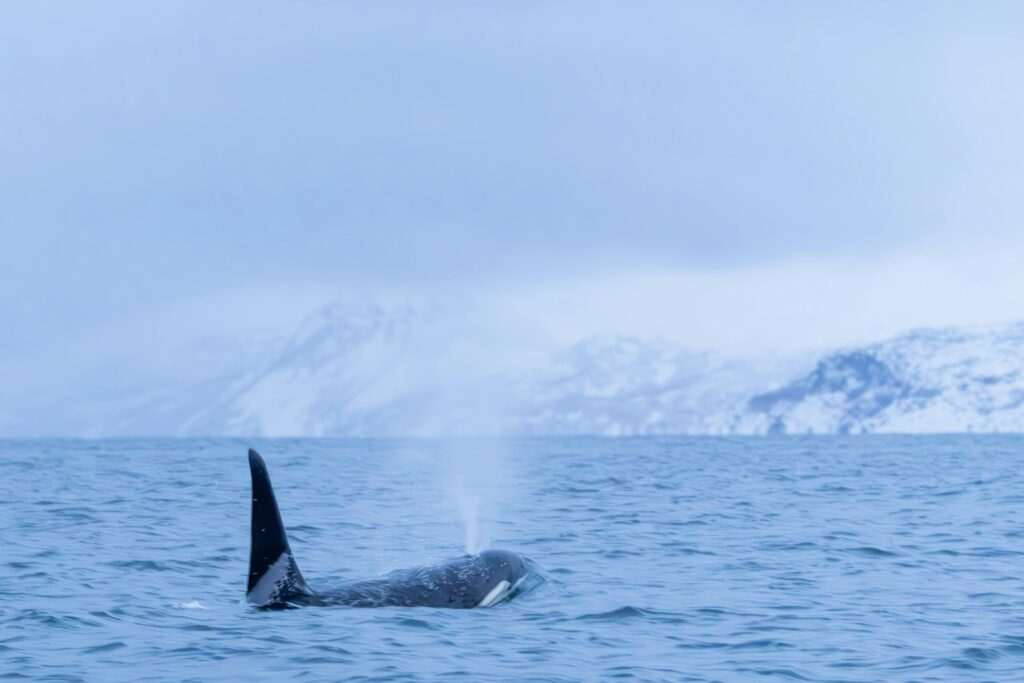
Orcas (killer whales) are present in both Cook Inlet and Prince William Sound throughout the summer. Cook Inlet transient orcas — mammal-eating pods rather than the fish-eating residents — periodically enter the Inlet and are occasionally sighted from shore or the Coastal Trail. PWS is more reliable for orca sightings, where both transient and resident pods have established territories.
Orca sightings on day tours are not guaranteed — no ethical operator promises them — but the summer months in PWS produce consistent orca encounters for vessels that cover distance and communicate with other boats about recent sightings. The most dramatic encounters come when transient pods are actively hunting marine mammals, a sight that tour naturalists will tell you is something you never forget.
Marine Wildlife You’ll Also See
Whale watching in these waters comes with a supporting cast. Steller sea lions haul out on rocks in PWS and Kenai Fjords in numbers that require adjustment to comprehend — animals the size of horses stacked several layers deep. Sea otters float on their backs in the kelp beds with remarkable casualness. Dall’s porpoise bow-ride tour vessels routinely. Harbor seals and harbor porpoise appear throughout the Inlet and Sound. Puffins (both tufted and horned) cluster on rocky islets in Kenai Fjords in summer, visible from tour boats at close range. For marine wildlife generally — not just whales — a Kenai Fjords full-day tour is among the best wildlife experiences Alaska offers.
Best Time of Year by Location
For Turnagain Arm belugas: June through August, with peak salmon run timing (late June–August) providing the most consistent sightings. September is possible but less reliable as belugas move out of the Arm. For humpbacks in PWS and Kenai Fjords: July through September, when feeding activity peaks and tours run most frequently. For orcas: mid-summer through late August. The window of June 15–August 31 covers the majority of productive whale watching opportunities across all locations accessible from Anchorage.
Planning a Seward Day Trip from Anchorage
Most Kenai Fjords boat tours depart between 8:00 and 9:00 AM from Seward’s Small Boat Harbor, making the 2.5-hour drive from Anchorage a pre-dawn commitment if you want to catch the first departure. Booking accommodations in Seward the night before is the more comfortable approach, especially for full-day cruises that run eight to nine hours and return late afternoon. The Seward Highway itself is a wildlife corridor — moose sightings along the highway and Dall sheep visible on the cliffs above Turnagain Arm are common, so budget extra time and watch for roadside pullout opportunities both ways. Reservations should be made two to three weeks in advance for mid-July departures; popular tours sell out.
Photography Tips
Whale photography from shore at Turnagain Arm requires at minimum a 300mm equivalent focal length — belugas visible from the highway pullouts are often 150–300 meters offshore. A 400mm or 500mm lens gives you working images of identifiable animals. From boat tours, a 200mm lens is often sufficient since captains position the vessel within ethical viewing distance. Burst mode is essential — whale surfaces are brief, and single shots often miss the moment. A fast shutter speed (1/1000 or faster) freezes water spray on surfacing shots. For beginners, prioritize watching with binoculars first and camera second — trying to photograph through a long lens while scanning for surfacing animals often results in missing both the shot and the experience.
Responsible Whale Watching
Federal law prohibits approaching marine mammals closer than established distances (100 yards for most cetaceans under MMPA guidelines). Reputable tour operators observe these requirements — this is part of what distinguishes established operators from informal boat operators. From shore at Turnagain Arm, maintain position and let animals approach rather than walking toward the water’s edge when belugas are near. Do not attempt to feed or attract belugas — the Cook Inlet subpopulation is endangered and any harassment has meaningful conservation consequences.
What to Bring on a Whale Watching Boat Tour
Layers are non-negotiable on any Alaskan marine tour, regardless of the air temperature onshore. Water and wind combine to drop effective temperature significantly — pack a fleece mid-layer and a waterproof outer shell even if it’s 65°F in Seward. Seasickness medication taken before boarding (not after symptoms start) is worth carrying if you have any sensitivity — the open-water crossings in Kenai Fjords can involve chop. Binoculars (10×42 or similar) extend your viewing range dramatically on both boat and shore. Waterproof bags protect camera gear from spray. Leave the alcohol until after the tour.


No comments yet.