
Birding & Birdwatching Near Anchorage 2026: Best Spots, Species & Seasonal Guide
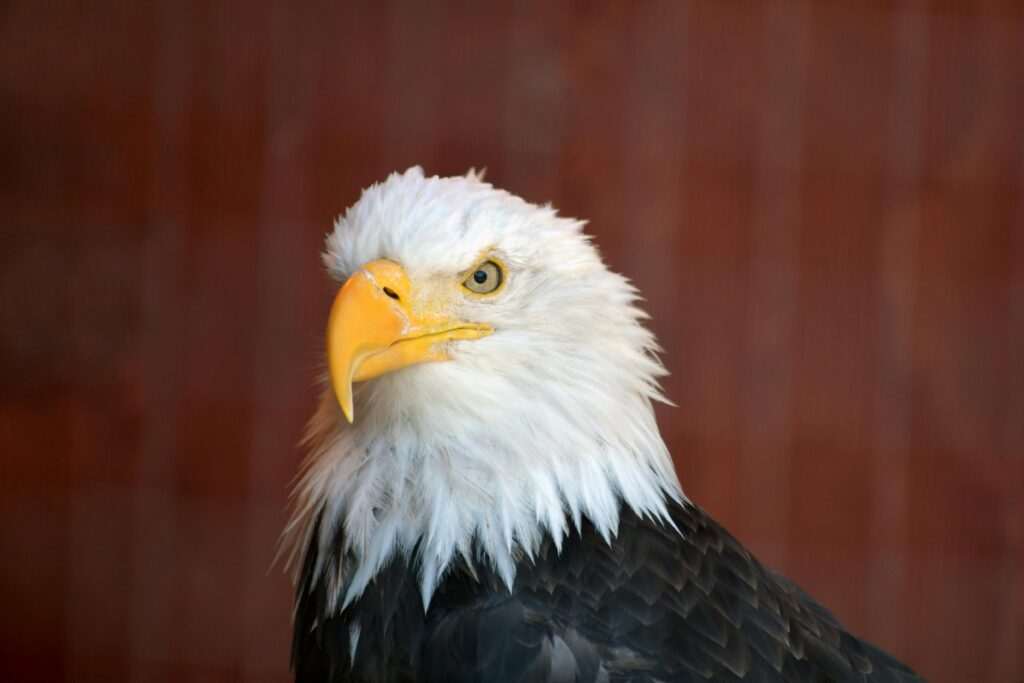
Anchorage sits at a geographical crossroads for bird migration. Positioned at the northern end of the Pacific Flyway and surrounded by wetlands, coastal mudflats, boreal forests, and alpine tundra, the city and its surrounding areas host an extraordinary range of species over the course of a year. From trumpeter swans staging at Potter Marsh to bald eagles hunting Turnagain Arm, from arctic terns completing their pole-to-pole migration to boreal owls calling through Kincaid Park’s spruce stands in winter, the birding near Anchorage rewards both first-time visitors and serious listers. This guide covers the top sites, key species, seasonal timing, and how to connect with the local birding community in 2026.
Potter Marsh: Anchorage’s Premier Birding Site
The Anchorage Coastal Wildlife Refuge’s Potter Marsh unit, located at the south end of the city along the Seward Highway, is the single most productive birding location in the Anchorage Bowl. A 1,500-foot boardwalk extends over the marsh, giving unobstructed views of open water, sedge meadows, and nesting platforms without disturbing habitat.
Spring brings the highest traffic: trumpeter swans stop here in late April and May during northward migration, sometimes numbering in the dozens on a single morning. Arctic terns arrive in May and breed through July, filling the air with their rapid wingbeats and sharp calls. Greater and lesser yellowlegs, dunlins, semipalmated sandpipers, and other shorebirds move through in high concentrations from late July through early September as southward migration accelerates.
Through the summer nesting season, the marsh holds red-necked grebes, Canada geese, mallards, green-winged teal, and northern shovelers. Northern harriers hunt the sedge margins throughout the season. Bald eagles are year-round residents, visible from the boardwalk daily. The parking area directly on the Seward Highway is well-signed and accessible — Potter Marsh is an easy first stop for any birding day itinerary starting from Anchorage.
Tony Knowles Coastal Trail
The Tony Knowles Coastal Trail runs 11 miles along Anchorage’s western shoreline from downtown to Kincaid Park, tracing the edge of Cook Inlet’s tidal flats. For birders, the trail’s value lies in access to the intertidal mudflats — one of the most productive shorebird environments in Southcentral Alaska. At low tide, the exposed flats attract dunlins, western sandpipers, and red-necked phalaropes in impressive numbers during migration windows.
The stretch between Westchester Lagoon and Point Woronzof is particularly productive for waterfowl. The lagoon holds various duck species through the open-water season and serves as a staging area for diving ducks in fall. Bald eagles perch regularly on the large cottonwood trees lining the trail — a sighting that becomes almost routine on a coastal trail walk. During summer, beluga whales occasionally feed in the shallow nearshore waters just below the trail, providing an unexpected megafauna bonus to a birding session.
Kincaid Park: Boreal Forest Birds and Winter Species
Kincaid Park on Anchorage’s southwest edge offers a different birding environment from the coastal and wetland sites: dense spruce-birch boreal forest, alder thickets, and open meadow areas that together support species rarely encountered elsewhere in the city. The park is most compelling for birders in fall and winter, when boreal and northern species move in from the interior.
Boreal owls call from the spruce stands beginning in late February and March — heard more often than seen, but patient observers with good ears can locate calling birds after dark during the early spring breeding season. Spruce grouse, the most approachable of North America’s grouse species, are present year-round in the denser conifers. Northern goshawks hunt the forest interior. Bohemian waxwings descend on mountain ash berry clusters in large flocks during winter, sometimes numbering in the hundreds. In summer, the park’s varied habitat produces Swainson’s thrushes, orange-crowned warblers, yellow warblers, and the varied thrush — one of Alaska’s most distinctive and beautiful songbirds.
Chugach State Park: Alpine and Forest Birding
Chugach State Park‘s nearly 500,000 acres of backcountry immediately east of Anchorage represent one of the largest urban wilderness areas in the United States. For birders, the park offers access to alpine tundra habitat above treeline — the domain of ptarmigan (both willow and rock), American pipit, gray-crowned rosy-finch, and golden eagle. The Wolverine Peak trail and Williwaw Lakes area both reach genuine alpine terrain within a day hike of city trailheads.
Lower elevation areas of the park — accessible from the Eagle River and Glen Alps trailheads — produce typical boreal forest species: gray jay (Canada jay), black-capped and boreal chickadees, red-breasted and white-breasted nuthatches, and various woodpeckers. The Chugach’s extensive river corridors hold American dippers year-round — look for them along any clear mountain stream, bobbing on rocks and walking underwater to forage for aquatic invertebrates.
Eagle River Nature Center and the Eagle River Valley
The Eagle River Nature Center, 26 miles northeast of downtown Anchorage, provides access to a glaciated valley corridor in Chugach State Park with excellent birding through the seasons. The river valley is a recognized migration corridor, funneling birds between the coastal lowlands and the high-country interior.
In summer, the cottonwood-dominated riparian zone along the lower Eagle River produces yellow warblers, Wilson’s warblers, common snipe drumming overhead, and alder flycatchers calling from the shrub edges. Spotted sandpipers nest on the gravel bars. In fall, the valley sees mixed sparrow flocks moving through, with dark-eyed juncos, American tree sparrows, and golden-crowned sparrows among the most common. The center’s staff can advise on current activity, and interpretive materials at the trailhead orient first-time visitors to the area’s ecology.
Turnagain Arm and Portage Valley
The drive south from Anchorage along Turnagain Arm — one of the most scenic stretches of road in Alaska — doubles as a productive birding corridor. The north and south shores of the arm are designated critical habitat for the threatened Cook Inlet beluga whale population, but for birders the priority targets are different: sandhill cranes, which stage along the mudflats and adjacent meadows during migration, and bald eagles, which concentrate in extraordinary numbers along the cottonwood stands.
The Portage Valley, at the south end of Turnagain Arm, holds Portage Lake and the surrounding spruce-wetland mosaic. Common loons, horned grebes, and Bonaparte’s gulls use the lake area during migration. The Alaska Wildlife Conservation Center, located on the Seward Highway 50 miles south of Anchorage, focuses on large mammals but also attracts raptors — bald and golden eagles, rough-legged hawks in winter, and occasional short-eared owls hunting the open areas near the wildlife enclosures.
Seasonal Birding Calendar
- April–May (Spring Migration): Trumpeter swans peak at Potter Marsh in late April. Shorebirds arrive through May. Large movements of raptors along Turnagain Arm. Arctic terns arrive mid-May. May is the single best month for diversity.
- June–July (Summer Nesting): Resident species are on territory and singing. Great for passerines in Kincaid and Chugach. Arctic terns, common terns, and Bonaparte’s gulls nesting at coastal sites. Long days allow early morning starts at full light from 4 AM.
- July–September (Fall Shorebird Migration): Shorebird southbound migration begins in mid-July — earlier than most people expect. Dunlins, western sandpipers, and greater yellowlegs peak at Potter Marsh and the coastal trail mudflats through August. The fall shorebird window is often more productive than spring.
- October–November (Fall Landbird Departure): Sparrow flocks, thrushes, and waxwings moving through. Late-season waterfowl on Westchester Lagoon and the coastal areas as freeze-up approaches.
- December–March (Winter Residents): Smaller diversity but highly committed species: common and hoary redpolls in birch and alder, pine siskins, black-capped and boreal chickadees, the occasional snowy owl in open areas, and gray owls in the forest edges of the Chugach foothills.
Guided Birding Walks and Local Community
The Anchorage Audubon Society runs guided bird walks throughout the spring and summer, led by experienced local birders who know exactly where to look for seasonal specialties. These walks are free or low-cost and open to all skill levels — an excellent way to get oriented quickly, learn local sites from people who bird them regularly, and add context to the species you’re seeing.
eBird, Cornell Lab’s crowd-sourced bird observation database, maintains a rich set of Anchorage hotspots with observation histories going back decades. Before a birding outing, searching eBird for the past two weeks of observations at any of the sites above will tell you what species are currently being reported and in what numbers. The Anchorage Coastal Wildlife Refuge, Potter Marsh, and the Tony Knowles Coastal Trail all have well-populated eBird hotspot pages.
Birding Ethics and Field Conduct
Anchorage’s birding sites are largely protected refuges and park lands where both wildlife and public access are managed together. A few principles: maintain at least 50 feet of distance from nesting birds and avoid flushing birds repeatedly from feeding areas, particularly during migration when energy conservation matters. Keep playback of bird calls to a minimum — it causes unnecessary stress to territorial birds and displaces them from foraging time. Stay on designated trails at wetland sites to avoid trampling vegetated marsh edges.
Trail conditions at remote sites can change with weather, particularly spring mud season (May) and early winter freeze-up (late October–November). Check current conditions before heading out and carry appropriate footwear for the season.
What to Bring
Binoculars are the single most important piece of gear for Anchorage birding. An 8×42 or 10×42 configuration balances magnification and field of view for both forest and open-country birding. For shorebird and raptor work on the coastal trail and Turnagain Arm, a spotting scope in the 60–80mm range allows identification at distances where binoculars fall short.
Field guides: the National Audubon Society’s Guide to North American Birds and Kenn Kaufman’s Birds of North America both serve well. For Alaska-specific identification, David Sonneborn’s Birds of Alaska covers the full state avifauna with range maps calibrated for Alaska latitudes. A waterproof outer layer and rubber boots are practical gear for Potter Marsh and any coastal trail birding in wet weather, which is common throughout the summer season.

No comments yet.