
Ghost Tours & Haunted History in Anchorage 2026: Dark Walks, Legends & Paranormal Sites
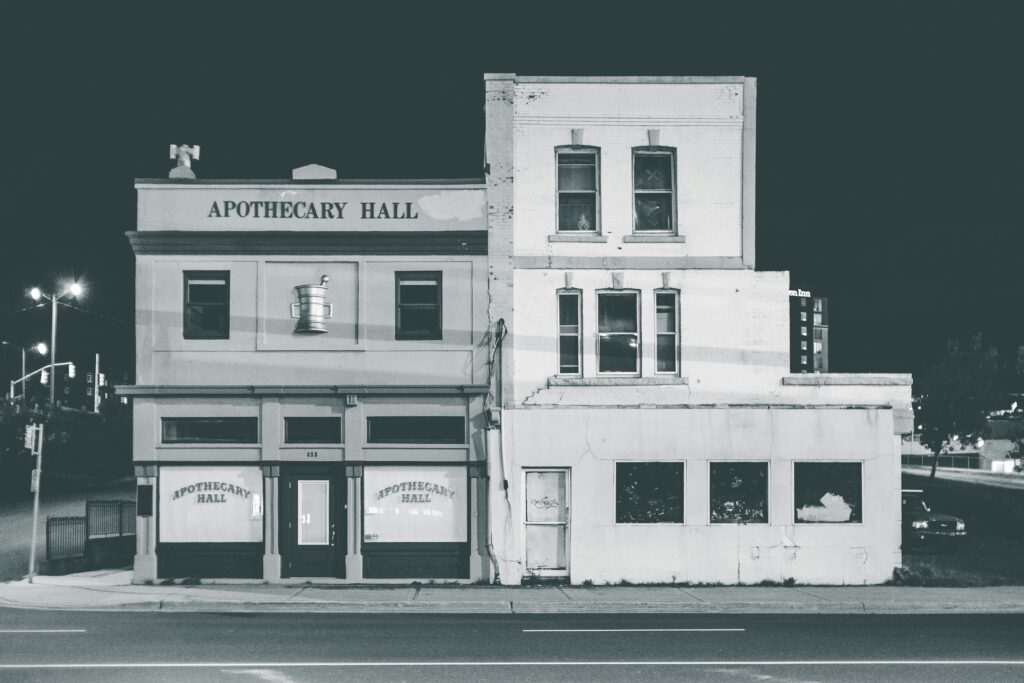
Anchorage sits on ground with a compressed and often violent history — a city that grew from a railroad tent camp in 1914, passed through gold rush fever, survived the most powerful earthquake ever recorded in North America, and built a modern city on top of layers of frontier crime, industrial disaster, and the hard edges of life at the end of the road. Ghost tours and haunted history walks have found genuine material here. Whether you’re looking for a formal guided ghost tour or a self-guided exploration of Anchorage’s darker historical chapters, the city delivers more atmosphere than most visitors expect.
Formal Ghost Tours in Anchorage
Anchorage’s formal ghost tour market is smaller than comparable cities of its size — the city’s age (just over a century) and its frontier character mean haunted history tours compete with wildlife, outdoor adventure, and cultural programming for visitor attention. That said, guided evening walking tours with a paranormal or dark history focus do run in Anchorage during summer and early fall, primarily departing from the downtown historic district.
The best starting point for finding a current ghost tour operator is the Anchorage Log Cabin Visitor Information Center on 4th Avenue downtown, which maintains current listings of walking tour operators including seasonal ghost and history tours. Tour availability shifts year to year — the local tourism market is small enough that a single operator can define the entire segment. Asking at the visitor center directly is more reliable than any static listing for current 2026 options.
The Historic Anchorage Hotel
No building in Anchorage carries more documented paranormal reputation than the Historic Anchorage Hotel on West 3rd Avenue. Built in 1916 — making it one of the oldest surviving buildings in the city — the hotel operated through the roughest decades of Anchorage’s frontier growth, serving gold rush travelers, railroad workers, and the rotating cast of figures the edge of civilization attracts. Reports of unexplained activity in the building have circulated since at least the 1940s, and the hotel has been featured in multiple paranormal investigation programs.
The most frequently reported presences are associated with specific rooms on the upper floors, particularly those connected to suicides and violent deaths from the hotel’s early decades. The front desk staff have historically been candid about the hotel’s reputation and can direct guests toward rooms with the most documented activity — a distinction that draws ghost enthusiasts specifically and has become part of the property’s identity rather than something it avoids. Staying at the Historic Anchorage Hotel is the most direct way to engage with Anchorage’s haunted history at close range.
Historical Walking Tours of Downtown
For visitors who want structured historical context without a specifically paranormal framing, the downtown Anchorage historic district supports several self-guided and guided walking tour formats. The Anchorage Museum produces historical walking tour maps covering the original 1914 townsite, the railroad era development corridor along 4th Avenue, and the earthquake zone where the 1964 Good Friday Earthquake reshaped the physical city. The earthquake alone — a 9.2 magnitude event that killed 139 people and destroyed large portions of downtown Anchorage — gives the historical tour a genuinely dark chapter to explore.
The 4th Avenue area has seen multiple cycles of boom and decline, including periods of significant vice and crime in the mid-20th century. The corridor between 4th Avenue and Ship Creek was once one of the busiest and most dangerous stretches of frontier commerce in Alaska, and several buildings in the current historic district stand on sites where documented violence occurred. Walking the district with a historical map from the Museum gives the self-guided tour enough context to feel substantive rather than cursory.
Ship Creek and the Frontier Era
The Ship Creek Trail corridor connects the present-day visitor-facing downtown to the industrial waterfront where Anchorage began. The original tent city of 1914 was established here by the Alaska Engineering Commission, and the area’s history runs from railroad construction labor camps through commercial fishing operations to the present. The creek itself has been associated with multiple drowning deaths and at least one significant labor dispute that turned violent. The trail is an accessible way to walk ground that genuinely carries historical weight, even if the surrounding infrastructure is industrial rather than atmospheric.
The Alaska Railroad depot near Ship Creek is one of the most historically significant structures in Anchorage, representing the economic engine that created the city in the first place. Railroad construction through Alaska killed workers in significant numbers — avalanche, equipment accidents, and exposure — and the railroad’s early decades are filled with documented incidents that haven’t been forgotten by locals with long family histories in the industry.
Supernatural Legends of Alaska
Beyond Anchorage’s documented history, Alaska’s indigenous traditions carry a deep reservoir of supernatural belief that informs the region’s ghost story culture in ways that differ from the continental United States. Alaska Native communities have their own extensive oral traditions around the spirit world, contact with the dead, and supernatural beings that inhabit specific landscapes — traditions that predate European settlement by thousands of years and remain living practice rather than folklore curio.
The Alaska Center for the Performing Arts occasionally programs events connected to Alaska Native storytelling traditions, including some that touch on supernatural themes. These are more culturally substantive than a ghost tour but offer a different angle on Alaska’s relationship with the unseen — grounded in the land and its original inhabitants rather than the frontier crime and hotel hauntings that dominate the European-American ghost story tradition.
Dark Tourism: Earthquake Sites and Disaster History
Anchorage’s most dramatic dark history chapter — the 1964 Good Friday Earthquake — is accessible through several self-guided locations in the city. Turnagain Heights, the residential neighborhood that collapsed into Cook Inlet during the earthquake, has a preserved section of the slide area visible from Earthquake Park near the western end of the Tony Knowles Coastal Trail. The park’s interpretive signage documents the neighborhood that no longer exists beneath the bluff — an eerie landscape of regenerated forest growing over buried foundations that counts as Anchorage’s most accessible dark tourism site.
The earthquake killed 30 people in Anchorage specifically and fundamentally altered the city’s relationship with its own geography. Walking through Earthquake Park at dusk — with Cook Inlet visible below and the remnant land formations of the slide visible in the vegetation patterns — is one of the more atmospherically charged experiences available in Anchorage without a guide.
When to Go and Practical Tips
Ghost tours and evening historical walks work best in September and October, when Anchorage has genuine darkness after 8 p.m. In midsummer, the extended daylight undercuts the atmosphere — walking a ghost tour at 10 p.m. while the sun is still above the horizon is a uniquely Alaskan experience but not necessarily the most evocative one. If atmosphere matters to you, plan your haunted history visit for late summer or early fall when the light conditions support it.
For the Historic Anchorage Hotel, book directly with the property and ask about room availability when making your reservation — availability in the most frequently reported rooms is limited and books ahead during the summer season. For guided ghost tours departing from downtown, check with the visitor center on arrival rather than booking far in advance, as small operators can cancel without much notice and schedules shift with demand.
Featured photo by Erik Mclean on Pexels.

No comments yet.