
Prince William Sound 2026: Day Cruises & Tours from Anchorage
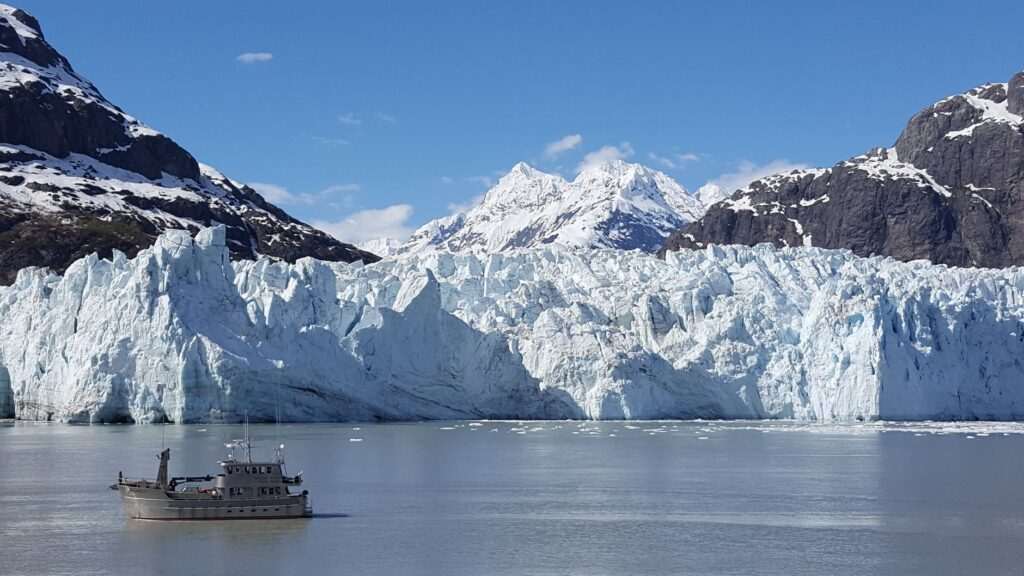
Prince William Sound is one of the great marine wilderness areas in North America — a 15,000-square-mile network of fjords, tidewater glaciers, and island-studded channels where humpback whales surface beside tour boats and sea otters crack shellfish in the shadow of calving ice walls. From Anchorage, the access point is Whittier: a 60-mile drive through the Anton Anderson Memorial Tunnel, the longest highway tunnel in North America, that delivers you to a small harbor town where glacier cruises depart daily through the summer. Here’s how to plan the trip.
Getting to Whittier: The Tunnel
The drive from Anchorage to Whittier takes about an hour, with the final segment through the Anton Anderson Memorial Tunnel — a 2.5-mile bore shared by vehicles and rail traffic that opens on a scheduled one-way alternating basis. Tunnel tolls run around $13 each way for passenger vehicles. The tunnel schedule matters: departures happen at specific times, not continuously, and missing your window adds a 30- to 45-minute wait. Check the current tunnel schedule before you leave Anchorage and build your departure time to arrive 15 minutes before the opening.
Whittier itself is one of Alaska’s more unusual communities — most of its roughly 200 permanent residents live in a single 14-story concrete high-rise, a Cold War-era military building repurposed as apartments, with a grocery store, city hall, and school all under the same roof. The contrast between the utilitarian town and the extraordinary marine wilderness surrounding it makes Whittier memorable.
Glacier Cruises: The Core Experience
Prince William Sound Glacier Tours and Phillips Cruises & Tours are the primary operators running day cruises out of Whittier. Phillips runs the flagship 26 Glacier Cruise — a 4.5-hour journey visiting 26 named glaciers in a 150-mile circuit through the Sound. The vessel is a catamaran with heated indoor seating and exterior deck viewing; naturalist narration runs throughout the cruise. Tickets run $180–$200 per adult. This is the most comprehensive single-day glacier experience available from Anchorage and the established benchmark for first-time visitors to the Sound.
The cruise route passes through Blackstone Bay — a fjord system lined with hanging glaciers and tidewater ice faces — and into the western Sound, where Columbia Glacier, one of the fastest-retreating glaciers in the world, has calved back dramatically over recent decades, creating a bay filled with brash ice and icebergs that boats navigate slowly while passengers watch harbor seals haul out on floating ice.
For a more intimate experience, Major Marine Tours run tours with 12 to 20 passengers rather than the catamaran’s larger capacity. These boats access narrower channels and spend more time in proximity to specific wildlife without the crowd management of a larger tour.
Wildlife: What You’ll See
The Sound’s marine wildlife is consistently extraordinary through the summer season. Steller sea lions haul out on rocky outcroppings in large noisy colonies. Harbor seals rest on ice floes near tidewater glacier faces. Sea otters are ubiquitous in the protected coves and kelp beds, floating on their backs and cracking shellfish with characteristic nonchalance. Tufted and horned puffins nest in cliff colonies and dive from the water surface throughout summer. Dall’s porpoises often ride the bow wake of tour vessels.
From July through September, orca pods work the Sound — the resident fish-eating population and transient mammal-eating groups both occur here. Humpback whales surface along the outer Sound throughout summer, and the feeding behavior visible from a tour boat — bubble-net feeding, lunge feeding at the surface — is some of the most dramatic marine mammal behavior accessible from a day trip anywhere in the Pacific Northwest or Alaska.
Kayaking: The Multi-Day Option
For visitors with more time, Prince William Sound’s protected waters are among the finest sea kayaking environments in the world. The Prince William Sound Kayak Center in Whittier runs guided day and multi-day kayaking programs, water taxi drop-offs to remote beaches, and rental equipment for experienced paddlers who want to explore independently. A two- or three-day kayaking trip with a water taxi drop-off to a remote bay in the Sound accesses a level of wilderness immersion that no day cruise can replicate — glacier camping, wildlife encounters without engine noise, and miles of paddling without another boat in sight.
The Anchorage Kayak Adventures outfitter also organizes Prince William Sound kayak programs for visitors based in Anchorage, including multi-day guided itineraries with logistics fully managed.
Booking Tips
The Phillips 26 Glacier Cruise is the most popular single activity in Prince William Sound and sells out weeks ahead during July and August. Book four to six weeks ahead for summer weekends; the cruise runs daily and standby is occasionally available but unreliable on peak days. The tunnel schedule means the morning cruise departure time is fixed — you either make the tunnel window or you don’t. Build 20 minutes of buffer into your Anchorage departure time.
Weather in the Sound is unpredictable year-round but rarely cancels tours — the enclosed fjord geography moderates conditions that would shut down open-water operations elsewhere. Rain gear is standard kit regardless of the Anchorage forecast.
Day Cruise vs. Multi-Day: Which to Choose
The 26 Glacier Cruise is the right call for most visitors: 4.5 hours, 26 named glaciers, extraordinary wildlife, and back in Anchorage for dinner. It delivers a complete Prince William Sound experience without overnight logistics.
A multi-day kayak or cruise itinerary earns its extra time with a qualitatively different experience — the Sound’s remote bays, backcountry camping on gravel beaches, and paddling distances from any road accessible terrain. If your schedule allows two or three days, the Sound rewards every additional hour.
Best Time of Year
May through September covers the full operating window, with peak conditions from late June through August. May offers the best glacier viewing — maximum ice, minimum tourist competition — but wildlife is still arriving and weather is less stable. July brings peak marine mammal activity, maximum tour options, and the Sound at its most lively. August and September add orca activity and coho salmon in the river systems around the Sound’s perimeter. September is the best shoulder-month value: lower prices, smaller crowds, and the fall light on the glacier ice is exceptional.
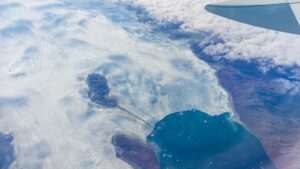
Featured photo by Yuanpang Wa on Pexels.

No comments yet.