
Prince William Sound Day Cruise from Whittier 2026 — Glaciers & Wildlife Guide
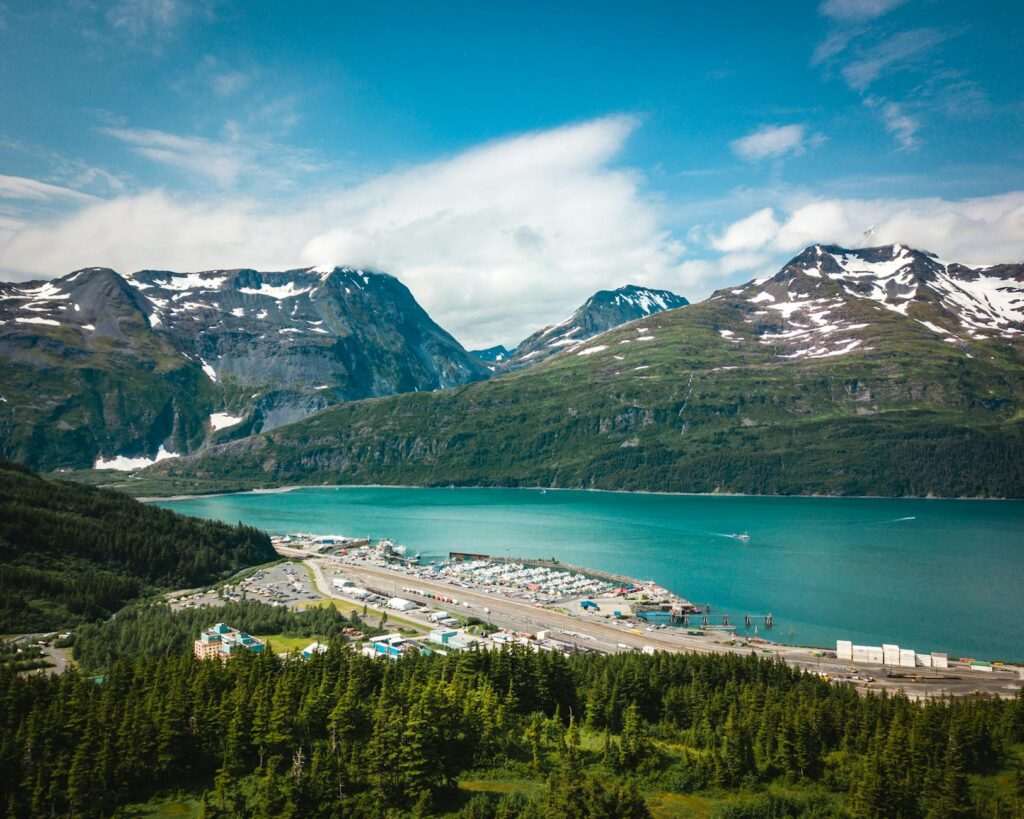
Most visitors to Anchorage know about Kenai Fjords. Fewer know about Prince William Sound — and that gap is exactly what makes it so good. An hour east of Anchorage through a mountain tunnel, Whittier opens onto 15,000 square miles of sheltered ocean fjords, tidewater glaciers, and some of the most concentrated marine wildlife in Alaska. Orca pods work these waters through summer. Harbor seals crowd the icebergs calved from Columbia Glacier. Sea otters float in kelp beds along channels that barely see swell. It’s among the finest day trips available from any city in the United States, and most of the people on the cruise won’t have heard of it before they booked.
PWS vs. Kenai Fjords: Understanding the Difference
Both are spectacular Alaska glacier cruise destinations accessible from Anchorage, and visitors sometimes wonder which to choose. The practical distinction is meaningful.
Kenai Fjords (departing from Seward, 2.5 hours south) faces the open Pacific. Seas are larger, weather more dramatic, terrain higher-relief, and the seabird colonies more numerous. It’s the right choice if dramatic scenery and pelagic wildlife are the priority.
Prince William Sound (departing from Whittier, 1 hour east) sits in sheltered inland waters. Conditions are generally calmer and warmer, which matters significantly if anyone in your group is prone to seasickness. Orca sightings are more consistent here than in Kenai Fjords. The glaciers sit at lower elevations and the Sound’s network of fjords and bays creates an intimate scale that the open ocean can’t replicate. If you’re choosing between the two for a single day, PWS wins on accessibility, wildlife reliability, and comfort.
Getting There: The Whittier Tunnel
The Anton Anderson Memorial Tunnel is part of the experience. At 2.5 miles, it’s one of the longest combined highway-railroad tunnels in North America, bored through the Chugach Mountains directly to tidewater. Traffic alternates direction on a published schedule — check current times at dot.alaska.gov before departing Anchorage. The $13 per vehicle toll is collected at the Whittier end. Missing the tunnel window means a 30-minute wait, so build buffer into your morning departure.
The drive from Anchorage follows the Seward Highway south along Turnagain Arm before turning east at Portage. A stop at Portage Glacier or a quick walk at the Portage Valley visitor center adds a worthwhile 20 minutes without jeopardizing your cruise departure. Portage Glacier Cruises (MV Ptarmigan) runs boat tours directly to the Portage Glacier face if you want to extend your glacier experience beyond the Sound cruise itself.
Choosing Your Cruise
Major Marine Tours runs the 26 Glacier Cruise — the flagship Prince William Sound experience. The 7.5-hour trip departs Whittier and covers Columbia Glacier (one of the largest tidewater glaciers in North America), Harriman Fjord, and multiple wildlife corridors before returning to the harbor. Tickets run $199 per adult and include a hot buffet lunch and dinner served aboard heated vessels with naturalist narration throughout. For most visitors, this is the right choice: comprehensive, comfortable, and consistently well-executed.
Phillips Cruises & Tours operates an equivalent 26 Glacier itinerary with similar pricing and routing on slightly smaller vessels. If Major Marine is sold out for your dates, Phillips covers the same core experience. Book both options early for July and August — the best departure times sell out weeks in advance.
Prince William Sound Glacier Tours offers additional cruise configurations in the Sound for visitors who want different emphasis or departure timing. Worth checking if you have specific itinerary constraints.
Lazy Otter Charters runs private and small-group charter tours from Whittier with flexible itineraries. If your group wants to control pace — spending more time with a particular orca pod, or accessing smaller channels that larger vessels bypass — a charter changes the experience entirely. Sea kayaking combination trips are also available for more active visitors.
What You’ll See
Columbia Glacier is the centerpiece of most Sound cruises. One of the largest tidewater glaciers in North America — 40 miles long, with a face that calves enormous ice blocks directly into the sea — Columbia has retreated dramatically in recent decades. That retreat has opened a bay full of floating ice that creates habitat for harbor seals and provides the scale reference that makes photographs feel inadequate. On active calving days, the sound of ice breaking and falling carries across the water before the ice moves.
Orca pods are reliably present in Prince William Sound from July through September. The Sound supports both resident fish-eating populations and transient mammal-eating orcas, and encounters often involve prolonged observation as pods work feeding areas. July and August offer the most reliable sightings, though orcas appear throughout the open season.
Harbor seals haul out on ice floes near the glacier face in numbers that can reach into the hundreds on prime days — the white and gray forms dotting blue ice make for extraordinary photography. Sea otters float in kelp beds throughout the Sound’s protected coves, cracking shellfish on their chests in their characteristically unhurried way. Steller sea lions occupy rocky outcroppings in large vocal colonies. Humpback whales feed in the Sound from June through September, and a full-day cruise typically encounters at least one pod.
Seabird activity includes pigeon guillemots, marbled murrelets, rhinoceros auklets, and the occasional tufted puffin in outer Sound areas. The sheltered waters attract different species than the open Pacific Kenai Fjords coast, and birdwatchers who’ve done both note the distinct character of the PWS bird community.
Kayaking the Sound
For visitors who want to be in the water rather than on it, Prince William Sound Kayak Center operates half-day and full-day sea kayaking tours from Whittier. Paddling among icebergs at glacier margins, close enough to harbor seals to hear them breathing, is a different category of wildlife encounter than any boat can provide. Kayak tours can often be booked as a morning activity before an afternoon cruise, or as a standalone experience for visitors who prefer human-powered travel.
Practical Tips
Dress for 50°F and wind-driven rain regardless of the Anchorage forecast. Prince William Sound creates its own weather, and conditions on the water bear no relation to what the city looks like at departure. A waterproof outer layer, thermal mid-layers, and waterproof footwear are the minimum. Larger cruise vessels have enclosed heated cabins and outdoor viewing decks — moving between them as conditions change is part of the rhythm of a full-day cruise.
Whittier itself is a small fishing community with minimal amenities beyond the harbor. The tunnel drive in is the attraction — Whittier’s function is as a boarding point, not a destination. Arrive with everything you need for the day already in hand.
Book cruises four to six weeks ahead for July and August. The combination of limited berths and high summer demand makes late booking for peak dates risky. Flexible cancellation policies vary by operator — check before booking if your itinerary might shift.
Featured photo by Andrew Hanson on Pexels.


No comments yet.