
Anchorage Shopping Guide 2026 — Malls, Boutiques & Alaska Souvenirs

Shopping in Anchorage is different from shopping anywhere else in the United States. Alongside the standard malls and big-box retailers — yes, there is a Nordstrom Rack — you will find musk ox wool co-ops, Alaska Native beadwork artists, wild-caught smoked salmon sold by the pound, and birch syrup made within 50 miles of where you are standing. The practical and the extraordinary coexist here, and the best Alaska shopping experiences tend to be the ones with no equivalent anywhere in the lower 48.
Major Retail Centers
5th Avenue Mall (Downtown)
Anchorage’s main downtown mall sits at the corner of 5th Avenue and A Street, attached to several major hotels and within walking distance of most downtown accommodations. Anchor tenants include JCPenney, Nordstrom Rack, and a range of national retailers. The food court provides a convenient mid-day stop. Hours are typically 10am–9pm Monday–Saturday and 11am–6pm Sunday. If you need standard retail items and want to stay downtown, this is your stop.
Dimond Center (South Anchorage)
The largest mall in Anchorage, located in south Anchorage off the Seward Highway. In addition to standard retail, Dimond Center has a full-size ice rink, a movie theater, and a range of restaurants. More practical for visitors staying in south Anchorage or heading toward the airport. Best for full shopping days when you need multiple stores in one trip.
Tikahtnu Commons (North Anchorage)
A big-box strip in north Anchorage with Target, Costco, and — most relevant for visitors — one of the better-stocked REI locations in Alaska. If you are planning outdoor activities and realize you need gear, waders, or technical layers, this REI is the place to go before heading to Chugach State Park, Hatcher Pass, or any wilderness excursion.
Local and Independent Shopping
Spenard Neighborhood
Spenard Road and its surrounding blocks host a cluster of independent boutiques, vintage clothing shops, and locally owned retailers that reflect Anchorage’s more creative and eclectic side. The neighborhood is also home to the Spenard Farmers Market on Tuesday afternoons from May through September — a good spot to find handmade goods, local produce, and makers selling directly. The vibe is decidedly local: less tourist-oriented than downtown, more representative of how Anchorage residents actually shop.
Downtown Fourth Avenue
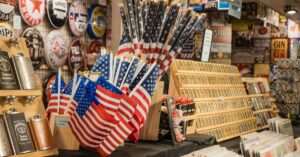
The 4th Avenue corridor mixes tourist-facing shops with some genuine Alaska retailers. This is where you will find the highest concentration of Alaska-branded goods — both authentic and mass-produced. Knowing how to spot the difference matters here (see the authenticity guide below).
The Alaska Gift Guide: What to Buy and Where
Wild Alaska Smoked Salmon
The gold standard of Alaska food gifts. Vacuum-packed smoked salmon fillets travel well and can be checked in luggage or shipped. 10th & M Seafoods in downtown Anchorage has been smoking and selling wild Alaska salmon for decades and is the most reliable source for both quality and variety. New Sagaya City Market on 13th Avenue is another well-regarded option for packaged Alaska seafood.
Qiviut Garments (Musk Ox Wool)
Qiviut — the fine underwool of the Alaska musk ox — is one of the rarest and warmest natural fibers on earth. It is approximately eight times warmer than sheep’s wool by weight. The Oomingmak Musk Ox Producers Co-op, located on 6th Avenue downtown, is a nonprofit cooperative run by Alaska Native women from villages across the state. Every garment is handknit by a co-op member; each item comes with a card naming the village where it was made. Prices are high (scarves run $250–$450) but the items are genuine, locally made, and unlike anything available elsewhere.
Alaska Native Art
Authentic Alaska Native art — beaded jewelry, carved ivory, soapstone sculptures, birchbark baskets — is legally required to carry the silver hand label, certifying it was made by an Alaska Native artisan. The Alaska Native Heritage Center operates a gift shop with certified Native-made items and direct connections to the artists. The Chkiqadi Gallery at the Heritage Center shows and sells contemporary Native art in a curated exhibition setting.
The Anchorage Museum gift shop is one of the best in the city for Alaska books, archival prints, and high-quality reproductions of works from the museum’s collection — a good source for gifts that reflect the state’s art and history without crossing into souvenir territory.
Birch Syrup
Produced only in Alaska and a few other northern regions, birch syrup has a darker, more complex flavor than maple syrup — closer to molasses or balsamic. It is available at Kaladi Brothers coffee shops, the Spenard Farmers Market, New Sagaya, and specialty grocery stores around Anchorage. A small bottle makes an unusual and genuinely local gift.
Ulu Knives
The ulu is a traditional Alaska and Arctic knife with a curved, fan-shaped blade used for everything from processing fish to cutting vegetables. Good ulus are made by Alaska craftspeople; lower-quality tourist versions are mass-produced imports. Look for Alaska-made labels and buy from reputable sources rather than generic souvenir shops. Prices for quality ulus start around $40–$60.
Alaska Books and Art Prints
The Alaska Botanical Garden gift shop carries native plant guides, nature journals, and botanical prints made by Alaska artists — a quieter shopping stop that connects purchases to the natural history of the region. The Anchorage Museum shop (above) is the strongest source for Alaska-focused books, photography collections, and fine art prints.
How to Spot Authentic Alaska Goods
- Made in Alaska bear paw logo: A state certification that the product was made within Alaska. Look for it on food, clothing, art, and crafts.
- Silver hand logo: Certifies the item was made by an Alaska Native artisan. Required by state law for items sold as “Alaska Native art.”
- Red flags: “Made in China” stickers on totem poles and carved animals on 4th Avenue are common. Any item labeled only “Alaska” without specific maker information warrants scrutiny.
- Ask questions: Legitimate Alaska craftspeople and their retailers will tell you who made the piece and where. Vague answers are a signal.
The difference between a $12 mass-produced ulu and a $55 Anchorage-made one is not just quality — it is whether your purchase actually supports Alaska makers. The best Alaska shopping is the kind where you leave knowing exactly who made what you bought.


No comments yet.