
Birding in Anchorage 2026 — Potter Marsh, Westchester Lagoon & Best Spots
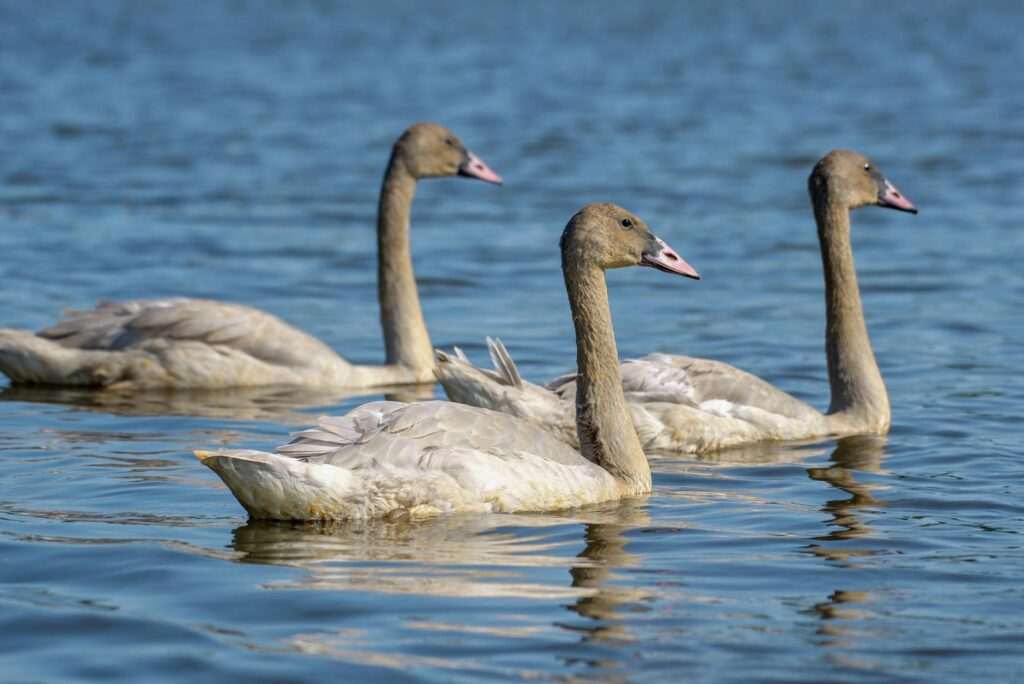
Anchorage sits at the convergence of three major North American flyways, wedged between the Alaska Range and the ocean, surrounded by wetlands and boreal forest. For birders, that geography is a gift. Within city limits — or a short drive — you can scan shorebirds staging on a tidal marsh, watch nesting trumpeter swans, search boreal forest for owls, and spot bald eagles any day of the year. Here’s where to go for the best birding in Anchorage in 2026.
Best Seasons at a Glance
- Spring (April–May): Migration peaks — shorebirds, ducks, Arctic terns, and songbirds pour through. One of the most exciting windows of the year.
- Summer (June–July): Nesting season; resident species at their most visible and vocal. Midnight sun means long birding days.
- Fall (August–September): Shorebird migration in earnest, especially at Potter Marsh. Raptor movement begins in September.
- Winter (October–March): Boreal specialties (redpolls, pine siskins, gyrfalcons), sea ducks on Cook Inlet, year-round eagles.
Potter Marsh Bird Sanctuary
Potter Marsh State Game Refuge is Anchorage’s premier birding destination — a 1,700-acre wetland at the southern edge of the city where the Seward Highway skirts the tidal flats of Turnagain Arm. An elevated boardwalk extends over the marsh, giving excellent views without disturbing nesting birds. Trumpeter swans and sandhill cranes nest here annually. Shorebird migration from July through September draws dozens of species: dowitchers, yellowlegs, sandpipers, and phalaropes staging in impressive numbers. Over 130 species have been recorded at the marsh. Entry is free; parking is on the Seward Highway shoulder. Bring a scope — the open marsh rewards magnification.
Westchester Lagoon
Westchester Lagoon is ten minutes from downtown Anchorage and accessible year-round on paved paths. A pair of trumpeter swans nests here annually, returning to the same location season after season — watching them from the lakeshore path is one of Anchorage’s best urban wildlife experiences. In winter, look for buffleheads, common goldeneyes, and common mergansers in the open water near the inlet channel. Arctic terns arrive in May and hunt the lagoon through summer. Dogs are allowed on-leash. Parking is plentiful and free.
Campbell Creek Estuary
Where Campbell Creek meets Cook Inlet, the estuary’s tidal flats and riparian edges attract staging waterfowl during migration. Short-eared owls hunt the open fields at dawn and dusk in fall — one of the more exciting unexpected finds for visiting birders. Bald eagles are present year-round. Access the area via the Campbell Creek Trail, which runs through the adjacent greenway.
Earthquake Park and Point Woronzof
The bluff at Earthquake Park looks directly onto Cook Inlet and the mudflats below. It’s one of the best raptor vantage points in the city: rough-legged hawks pass through in October and November, and bald eagles perch on driftwood along the inlet shore virtually any day of the year. In winter, scan the inlet for sea ducks — long-tailed ducks, white-winged scoters, and common and red-throated loons are regulars.
Tony Knowles Coastal Trail
The 11-mile Tony Knowles Coastal Trail parallels Cook Inlet from downtown Anchorage to Kincaid Park, offering continuous birding opportunities along the way. Scan the inlet for Pacific and red-throated loons, grebes, and sea ducks. Belted kingfishers hunt the creek inlets where freshwater meets tidal flats. In spring, check willows and brush along the trail for warblers and sparrows moving through. The trail is paved, well-maintained, and accessible at multiple points.
Russian Jack Springs Park
This boreal forest park in east Anchorage is the best in-city location for classic Alaska woodland birds. Russian Jack Springs Trail winds through spruce forest where black-capped and boreal chickadees, red-breasted nuthatches, and hairy and downy woodpeckers are resident year-round. Great horned owls nest in the park and can sometimes be spotted roosting in dense spruce stands during the day. In winter, common and hoary redpolls can be abundant in the birch stands. This is an excellent stop before or after Potter Marsh on a full day of birding.
Kincaid Park
The open coastal dune fields at Kincaid Park’s south end are prime gyrfalcon and rough-legged hawk habitat in winter — scan fence posts and dead snags from the park road. The sprawling trail network through the park’s boreal forest produces pine siskins, common redpolls, and three-toed woodpeckers. Short-eared owls hunt the open grassland at dusk in fall. Kincaid Park Trail System provides access across the entire area.
Guided Birding and Resources
Anchorage Audubon Society Guided Bird Walks run regularly throughout the spring and summer — free, led by experienced local birders, and one of the best ways to learn the birds and the sites quickly. Check their schedule and join a walk to Potter Marsh or Westchester Lagoon if your timing allows.
For trip planning, eBird (Cornell Lab of Ornithology) has detailed hotspot data for every site listed here, with recent sightings and species lists. The Anchorage area has hundreds of active eBird reporters — check the hotspot pages before visiting any site to see what’s been seen in the past week.
What to Bring
- Binoculars: 8×42 or 10×42 is the standard for most birding. A spotting scope adds value at Potter Marsh and Cook Inlet sites.
- Rain jacket: Always. Alaska weather shifts quickly, and wet binoculars and miserable birders don’t mix.
- Merlin Bird ID app: Cornell Lab’s free app identifies birds by sound — invaluable for boreal species you hear before you see.
- Bug repellent: June and July at Potter Marsh can mean dense mosquito clouds. Bring DEET.
Anchorage rewards the birder who takes time to look. Even a single morning at Potter Marsh can produce 30 or 40 species — and that’s before leaving the city limits.
Featured photo by Andrew Patrick Photo on Pexels.


No comments yet.