
Tony Knowles Coastal Trail 2026 — Anchorage’s 11-Mile Waterfront Path
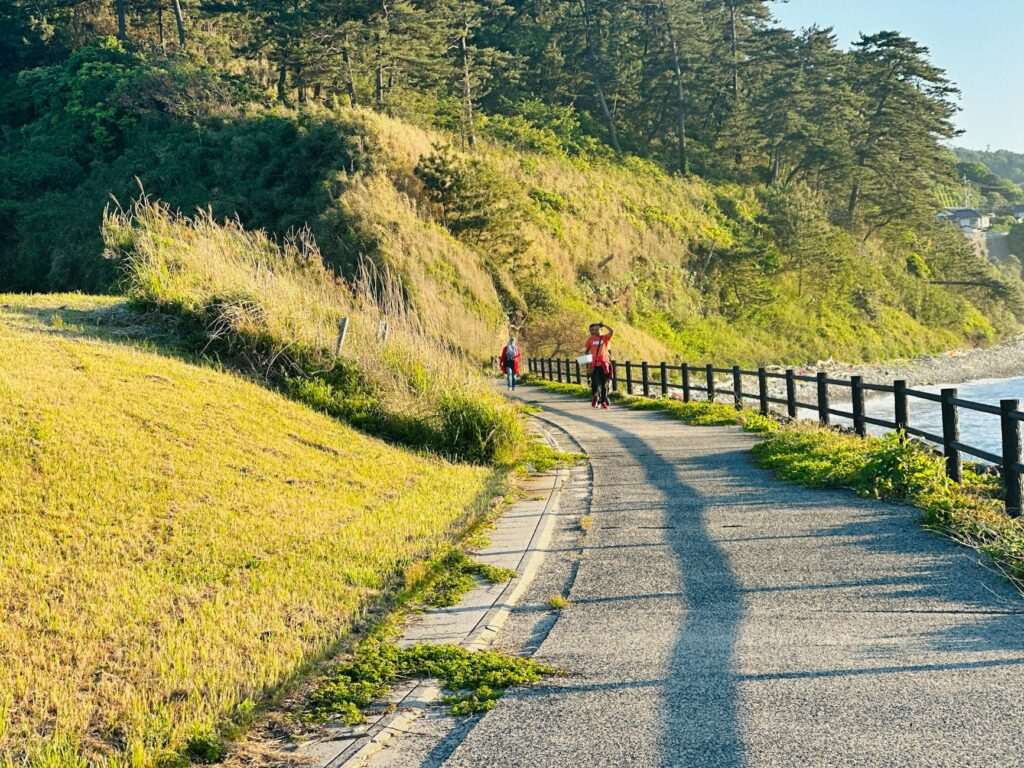
If you do one outdoor thing in Anchorage, make it the Tony Knowles Coastal Trail. The 11-mile paved path runs along the western edge of the city from downtown all the way to Kincaid Park, tracing the shoreline of Cook Inlet with uninterrupted views across the water to the Alaska Range — and on clear days, to Denali, rising more than 20,000 feet above sea level some 130 miles to the north. It’s free, open year-round, accessible from multiple points along its length, and genuinely one of the most scenic urban trails in the country. On a summer evening with the low sun lighting the inlet and the mountains reflecting pink off the water, it’s difficult to argue with.
The trail is paved its entire length and wide enough for two-way cyclist and pedestrian traffic. Most users are bikers — 22 miles round trip is a solid but achievable ride for anyone in reasonable shape — but walkers, joggers, inline skaters, and people who just want to sit at a bench and watch the tidal flats are equally at home here. The trail isn’t wilderness; it’s a city park. But it delivers wilderness-caliber views without any of the logistics.
The Route: Downtown to Kincaid
The standard start is at the downtown end, near the corner of 2nd Avenue and H Street, adjacent to Elderberry Park on the western bluff. From here the trail drops toward the waterfront and begins its southwesterly arc along the inlet. The first few miles run along the base of the coastal bluff, with the city above and the tidal flats of Cook Inlet opening to the west. The views begin immediately.
About two miles from the downtown start, the trail reaches Westchester Lagoon — a tidal lagoon separated from the inlet by a narrow causeway, popular with birdwatchers and popular with the beavers that have colonized its southern end. The trail continues from the lagoon’s south side, curving past the area known as Fish Creek and toward Earthquake Park, roughly three miles from the start.
Past Earthquake Park, the terrain opens up and the trail runs closer to the water. At Point Woronzof, about six miles in, the path reaches a dramatic bluff promontory with some of the best unobstructed views of the inlet and the mountains beyond. It’s a natural rest point and popular with photographers. From here the trail continues along the base of Point Woronzof and southwest to Kincaid Park, where it terminates at the park’s extensive trail network — adding miles of optional extension for those who want more.
Highlights Along the Way
Elderberry Park (downtown start): The small park at the trail’s northern end sits on top of the coastal bluff with direct views west across Cook Inlet to Fire Island, where a row of wind turbines generates a fraction of Anchorage’s electricity. On clear mornings, the mountains on the far side of the inlet are visible from the park bench before you even start walking.
Westchester Lagoon: The lagoon is a designated wildlife sanctuary and one of the best birdwatching spots in urban Anchorage. Trumpeter swans, Canada geese, Arctic terns, and dozens of duck species use the lagoon seasonally. The beaver lodge near the south end of the lagoon is active; look for gnawed stumps along the bank. The causeway that separates the lagoon from the inlet is a good vantage point for watching both the birds and the incoming and outgoing tides.
Earthquake Park: This flat park sits on ground that was dramatically disrupted by the 1964 Good Friday Earthquake — at magnitude 9.2, the most powerful earthquake ever recorded in North America. The quake destroyed large sections of Anchorage’s Turnagain Heights neighborhood in a massive landslide; Earthquake Park occupies part of the affected zone. Interpretive signs explain the geology and the disaster. The ground still shows subtle undulations from the liquefaction that occurred sixty years ago.
Point Woronzof: The bluff at Point Woronzof juts into Cook Inlet and provides arguably the best panoramic mountain views of the entire trail. On days when the weather cooperates, the Alaska Range spreads across the horizon from north to south, with Denali visible as the dominant peak at the right end of the arc. The inlet below is enormous — Cook Inlet is a major tidal estuary, with tidal swings of up to 30 feet. At low tide, the exposed mudflats extend for miles. Quicksand-like conditions on the tidal flats are dangerous; stay on the trail and the designated overlooks.
Kincaid Park: The trail’s southern terminus connects into Kincaid Park’s trail system, which adds roughly 50 kilometers of additional trails for hiking and mountain biking in summer and cross-country skiing in winter. Kincaid is a full destination in its own right — the park hosts World Cup biathlon and cross-country skiing events — so connecting the coastal trail to a Kincaid loop makes for an extended day.
Biking the Coastal Trail
The Tony Knowles Coastal Trail is Anchorage’s premier bike route, and for good reason: 11 miles of paved, car-free surface with spectacular scenery and minimal elevation change. The trail is nearly flat through most of its length, with the main grades being the drops from the coastal bluff at each end. Cyclists of any fitness level can handle it; families with children on bikes are common.
The round trip — downtown and back — is 22 miles, which takes most recreational cyclists two to three hours with stops for views. A one-way ride with a car shuttle at each end is an option, and some visitors do the trail one-way and take a rideshare back to downtown. For those who want more distance, the Kincaid Park trail connection adds significant mileage at the south end.
Bike rentals are available from several shops in downtown Anchorage, generally within a few blocks of the Elderberry Park trailhead. Both road bikes and hybrid bikes suit the trail; mountain bikes work fine but are overkill on the paved surface. Rental shops typically offer hourly and half-day rates; book ahead on summer weekends when demand is high.
Wildlife: Moose on the Trail
Moose encounters on the Tony Knowles Coastal Trail aren’t a rare event — they’re a routine part of the experience. The coastal strip of brush and willow between the trail and the inlet provides exactly the habitat that moose favor, and the animals move through the area regularly. On any given summer morning, the odds of seeing at least one moose within a half-mile of the trail are genuinely high.
The protocol is simple: give moose a wide berth. They are large, fast, unpredictable, and not intimidated by humans. If a moose is on or immediately adjacent to the trail, wait it out or detour around it with significant distance. Cows with calves in late spring and early summer are particularly defensive. Most encounters are uneventful, but moose injure more people in Alaska each year than bears do.
Bear spray is worth carrying even on this urban trail. Black bears occasionally move through the area, particularly in late summer as they range widely in search of food before hibernation. Beyond mammals, the tidal flats alongside the trail are productive for shorebirds and raptors; bald eagles are commonly seen along the inlet. The Westchester Lagoon section is the best dedicated birdwatching stop.
The View: Cook Inlet and Denali
The defining characteristic of the Tony Knowles Coastal Trail — the thing that separates it from every other urban bike path in the country — is the view. Cook Inlet is enormous: up to 26 miles wide in places, with massive tidal activity that transforms the mudflats from brown flats at low tide to a reflective mirror at high. Across the water, the Alaska Range rises from the horizon with an abruptness that is consistently striking even for people who have lived in Anchorage for years.
Denali is visible from the trail on days with no cloud cover above the range — which happens most reliably in June and early July, before the summer heat builds the afternoon convective clouds that obscure the peaks. The best window is early morning, before 10 a.m., when the air is clearest and the mountains are still in shadow. When the light catches the upper slopes of the Alaska Range and Denali is fully out, it’s one of the most extraordinary views accessible from within a major American city.
Year-Round: Winter Skiing on the Coastal Trail
The trail doesn’t close when the snow falls. In winter, the Tony Knowles Coastal Trail is groomed for classic and skate cross-country skiing, extending the season well into the darker months. The groomed trail is one of the most accessible ski routes in Anchorage — flat, well-maintained, and with the same mountain views that make the summer experience remarkable. On a clear February day with fresh snow on the mountains and the inlet partially frozen, the winter coastal trail is its own kind of spectacular.
Anchorage Nordic Ski Club and the municipality maintain groomed tracks through the winter season, typically from December through March depending on snowpack. Trail conditions are posted online and at trailheads. Ski rentals are available in Anchorage; the trail is suitable for beginners as well as experienced skiers.
Practical Tips
- Parking: Free parking is available at multiple points: Elderberry Park (downtown end, limited), Westchester Lagoon (larger lot off West 15th Ave), Earthquake Park (off Northern Lights Blvd), and Kincaid Park. Westchester Lagoon is the most practical mid-trail option if you want to start in the middle.
- Best time for views: Morning, before 10 a.m., gives the clearest air and best mountain visibility. Afternoon clouds build regularly in summer and can obscure the Alaska Range by mid-afternoon.
- Bear spray: Carry it accessible on your body, not in a pack. Practice the draw before you go. Moose are more likely than bears, but both are present.
- Dogs: Allowed on the trail but must be leashed. Given the moose activity, a leash isn’t optional.
- Length options: You don’t have to do the full 11 miles. The Westchester Lagoon section (roughly miles 2–3) is excellent for a short out-and-back. Point Woronzof (mile 6) is the halfway point and a natural turnaround for those doing a moderate ride.
- Pair with nearby attractions: The trail’s northern trailhead is close to downtown restaurants and shops. For a longer Anchorage outdoor day, combine with the Flattop Mountain Trail in Chugach State Park (20 minutes from town) or a visit to the Alaska Botanical Garden in east Anchorage.
- Tidal mudflats: Don’t walk on the tidal flats adjacent to the trail. The mud can be dangerously unstable — people have required rescue after becoming trapped. Stay on the trail and designated overlooks.
Featured photo by Sara Loeffler on Pexels.

No comments yet.