
Alaska Native Heritage Center 2026 — Culture, Traditions & Living History
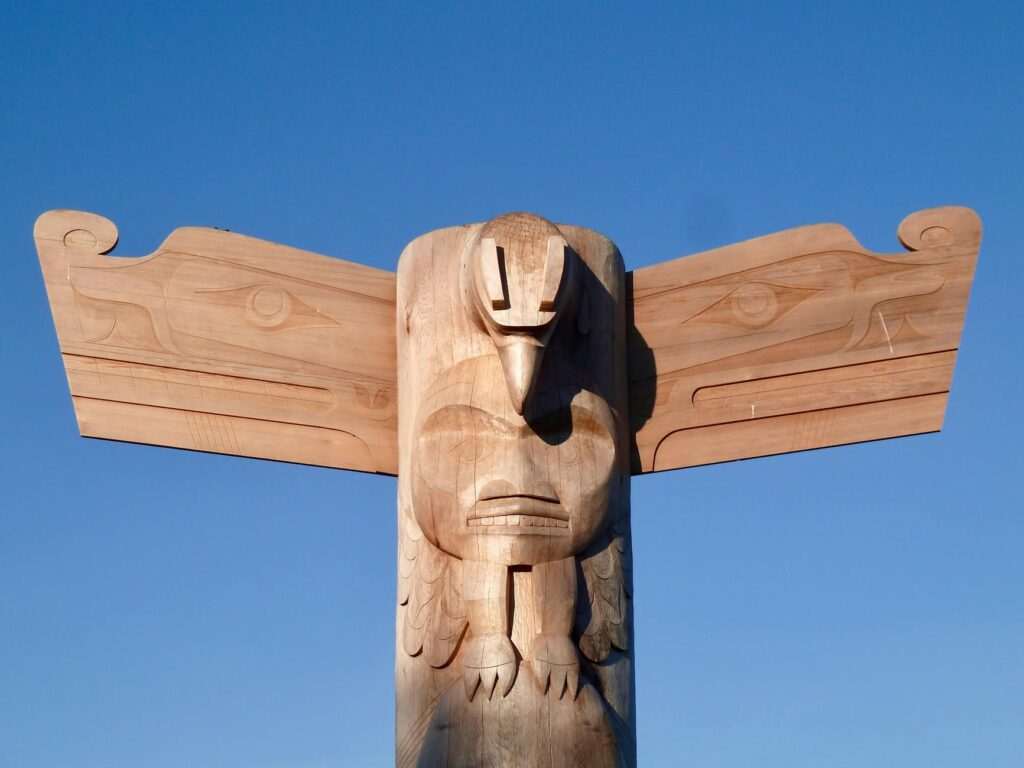
More Than a Museum: A Living Cultural Center
The Alaska Native Heritage Center is one of the most meaningful places a visitor can spend an afternoon in Anchorage. Owned and operated by Alaska Native people, the center represents 11 distinct Alaska Native cultural groups across the state — from the Athabascan people of the interior to the coastal Unangan and the St. Lawrence Island Yupik. This isn’t a passive exhibit space where objects sit behind glass. It’s a living cultural center where Native staff, artists, and performers share their traditions directly with visitors throughout the day. Plan at least two to three hours, and budget more if you want to catch multiple performances.
The Welcome House
The main building houses the Welcome House — the entry point for most visitors. An introductory film provides cultural context before you head outdoors, and gallery space inside features rotating exhibits on Alaska Native history, art, and contemporary life. Native staff members from different cultural backgrounds are present to answer questions and share stories. The experience inside the Welcome House alone is richer than most cultural museums in the state; the outdoor village path is what makes the center truly exceptional.
Village Sites: Six Traditional Dwellings on the Water
A walking path loops around a lake behind the Welcome House, passing six traditional dwelling sites representing the major Alaska Native cultural regions. Each site — Athabascan, Yup’ik and Cup’ik, Unangan and Unangas, St. Lawrence Island Yupik, Inupiaq, and Southeast Alaska Tribes — is built to reflect authentic construction methods and materials. Cultural demonstrators at each site explain how people lived, worked, and survived across dramatically different Alaska environments, from the tundra coast to the rainforest of Southeast Alaska. The combination of the lake setting, the mountains visible on the horizon, and the scale of the dwellings makes this one of the most visually striking outdoor cultural walks in the country.
Performances and Demonstrations
Traditional dance, drumming, and storytelling performances run on a rotating schedule throughout the day, included with admission. The dance performances in particular draw visitors from the outdoor path — the drumming carries across the grounds. Demonstrations of beading, carving, weaving, and other traditional art forms run alongside performances, with Native artists working at their crafts and explaining techniques and cultural significance. The combination of performance and hands-on demonstration gives children and adults alike a more textured understanding than static displays can provide.
Practical Information
The Alaska Native Heritage Center sits at 8800 Heritage Center Drive, near the Muldoon Road and Glenn Highway corridor in east Anchorage — roughly 20 minutes from downtown. The center is open daily from mid-May through mid-September, typically 9 a.m. to 5 p.m. Off-season hours are limited; check the ANHC website before visiting in fall or winter. Admission for 2025/2026: approximately $24.95 for adults, $21.95 for seniors, $16.95 for youth ages 7–17, and free for children under 7. Prices are subject to change — verify on the ANHC website. Parking is free.
The gift shop carries authentic Alaska Native art, jewelry, and crafts — purchases support Native artists directly, which distinguishes it from souvenir shops elsewhere in the city. It’s worth time on its own. Get Up and Go Tours and other Anchorage operators include the ANHC on cultural itineraries for visitors wanting a guided context alongside the self-guided experience.
Pairing the Visit
The ANHC pairs naturally with other Anchorage cultural institutions for a full day. The UAA Planetarium offers a different kind of educational experience for science-minded travelers. For families who want to combine cultural learning with outdoor activity, the ANHC morning visit followed by an afternoon at the Alaska Zoo or in Chugach State Park works well — the center’s east Anchorage location makes transitions straightforward.
Planning Tips
- Arrive early for the full experience: The first performance of the day typically runs within the first hour of opening. Arriving at open (9 a.m.) gives you time to tour the Welcome House, start the village path, and catch the morning performance — the most efficient sequence for a complete visit.
- Check the performance schedule at the door: Performances are scheduled throughout the day but not always at fixed intervals. Ask at the Welcome House when the next dance or drumming performance starts and plan your outdoor walk around it.
- Spend time at each village site: The cultural demonstrators at each dwelling are the heart of the experience. Moving too quickly through the village path misses the most valuable part of the visit — budget at least 10 minutes per site.
- The gift shop warrants its own visit: Alaska Native-made jewelry, basketry, carvings, and textiles are sold here with direct proceeds to the artists. Even visitors on a tight budget can browse; the quality and authenticity of the collection is significantly above what you’ll find in general Anchorage souvenir shops.
Frequently Asked Questions
What’s the Alaska Native Heritage Center in Anchorage?
The Alaska Native Heritage Center is a living cultural center owned and operated by Alaska Native people. It represents 11 distinct Alaska Native cultural groups through traditional dwellings, cultural demonstrations, performances, and gallery exhibits. It’s located at 8800 Heritage Center Drive in east Anchorage, open daily mid-May through mid-September.
How much does the Alaska Native Heritage Center cost in 2026?
Approximate 2025/2026 admission: adults $24.95, seniors $21.95, youth ages 7–17 $16.95, children under 7 free. Prices are subject to change — verify current rates on the ANHC website before your visit. Parking is free.
How long should I plan for a visit to the Alaska Native Heritage Center?
Plan a minimum of two to three hours for a complete visit — enough time to tour the Welcome House, walk the village sites path, and catch at least one performance. Visitors who want to see multiple performances or spend time with demonstrators in the gift shop often stay longer.
Is the Alaska Native Heritage Center good for children?
Yes — the outdoor village path, live performances, and art demonstrations engage children strongly. Children under 7 enter free. The combination of hands-on demonstrations and traditional dance and drumming performances holds attention across age groups in a way that static museum exhibits often don’t.



No comments yet.