
Portage Glacier 2026: Day Trip Guide from Anchorage
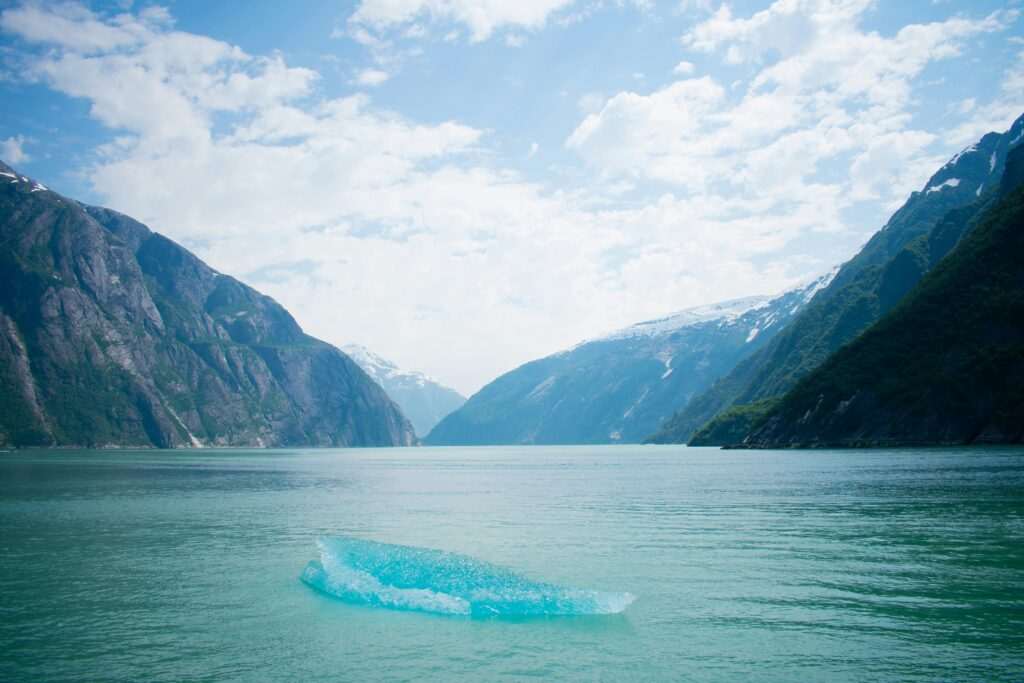
Portage Glacier sits roughly an hour south of Anchorage — close enough for a relaxed half-day and dramatic enough to justify the drive on its own. The Portage Valley combines a glacial lake, a hanging glacier accessible by an easy trail, a free natural history visitor center, and the best glacier boat tour in Southcentral Alaska. It’s one of those places that lands consistently on “worth it” lists, and for good reason.
Getting There
Take the Seward Highway south from Anchorage for about 48 miles, then turn right at the Portage Valley exit. The road into the valley runs 6 miles to the visitor center, with several pullouts along the way. Total drive time from downtown Anchorage is approximately one hour. Parking at the Begich, Boggs Visitor Center charges a fee; an America the Beautiful annual pass covers it and is worth purchasing if you’re visiting multiple federal recreation sites during your Alaska trip.
Begich, Boggs Visitor Center
Operated by the U.S. Forest Service, the Begich, Boggs Visitor Center is free to enter and provides excellent context for what you’re seeing in the valley. Exhibits cover glacial geology, the history of Portage Glacier’s dramatic recession, and the broader ecology of the Chugach National Forest. A short film about the glacier runs on loop. The center is open May through September; plan 30–45 minutes for a thorough walk-through before heading to the lake.
Portage Glacier Cruise — M/V Ptarmigan
The highlight of any Portage Valley visit is the Portage Glacier cruise aboard the M/V Ptarmigan, operated by Gray Line Alaska. The one-hour boat tour crosses Portage Lake and approaches within approximately 300 feet of the glacier face — close enough to hear the ice creak and, if you’re lucky, watch a chunk calve into the water. It’s a genuinely impressive experience, and the only practical way to see the glacier up close.
One important note: Portage Glacier has receded significantly over the past several decades and is no longer visible from the visitor center. The boat tour isn’t optional if you want to actually see the glacier — the lake view from shore shows only ice chunks floating in turquoise water. Adult fares run approximately $37; children are discounted. Advance booking is strongly recommended in July and August when tours fill days ahead.
Byron Glacier Trail
The Byron Glacier Trail is a 1-mile round-trip walk to a hanging glacier — one of the most accessible glacier experiences in Alaska, and entirely free. The trail is wide, relatively flat, and suitable for families with children. A permanent snowfield at the end of the trail typically remains well into summer, allowing visitors to touch glacier ice without a boat or technical gear. Plan 45–60 minutes for the out-and-back. Bears are present in the valley; make noise on the trail.
Portage Lake and Iceberg Viewing
Even from shore, Portage Lake offers a striking scene: turquoise glacial water dotted with icebergs that have calved from the glacier face and drifted across the lake. A viewing area near the visitor center provides the best vantage point. The size and number of floating ice chunks varies significantly by season and temperature — midsummer tends to produce the most active calving. It’s a worthwhile 15-minute stop even if you’re taking the cruise.
Wildlife in the Valley
Portage Valley is active wildlife habitat. Black bears are commonly spotted along the valley road and near the trailheads, particularly in late summer when berry crops are ripe. Dall sheep and mountain goats frequent the rocky slopes above the tree line on either side of the valley. Bald eagles are year-round residents. Keep binoculars handy, drive slowly through the valley, and never approach or feed wildlife. The Alaska Wildlife Conservation Center, 15 miles back up the Seward Highway, offers guaranteed wildlife viewing if you want a certainty alongside the glacier visit.
Day Trip Logistics from Anchorage
Portage Valley works as a half-day trip from Anchorage if you’re focused on the cruise and Byron Glacier Trail, or a full day if you’re pairing with the Alaska Wildlife Conservation Center (15 miles back on the Seward Highway toward Anchorage) and any Chugach State Park trailheads along the route. The Seward Highway drive itself is one of Alaska’s most scenic roads — the stretch along Turnagain Arm offers views of the tidal flats, Dall sheep on the cliffs above, and occasional beluga whale sightings in the inlet. Pull over at the marked turnouts rather than slowing on the highway itself.
If you’re combining Portage Valley with a full Seward Highway day toward Homer or Seward, it fits easily as a morning stop before continuing south. The highway to Seward branches at Tern Lake Junction approximately 37 miles past the Portage exit; factoring in 2–3 hours at Portage Valley keeps the timeline manageable for a return to Anchorage the same evening.
What to Bring
- Rain gear: Portage Valley creates its own weather — valley fog and light rain are common even when Anchorage is clear. A waterproof layer is always worthwhile.
- Layers: Temperatures near the glacier face are noticeably colder than in town. A fleece or light insulation layer is comfortable on the cruise.
- America the Beautiful pass: Covers the federal site parking fee and pays for itself after two federal recreation area visits on the same Alaska trip.
- Binoculars: Useful for wildlife spotting on the valley walls and for watching calving events at a distance from the lake shore.
Planning Your Visit
- Season: The valley road and visitor center operate May through September. Winter access is limited and the cruise doesn’t operate.
- Best timing: Arrive before 10 a.m. in peak summer to beat cruise crowds and secure parking. Afternoon weather can deteriorate quickly.
- America the Beautiful pass: Covers the parking fee at Begich, Boggs; pays for itself after two federal site visits.
- Combining stops: The Alaska Wildlife Conservation Center sits 15 miles toward Anchorage on the Seward Highway and makes a natural pairing — plan 3–4 hours total for both. The Chugach State Park trail system is accessible from multiple Seward Highway pullouts en route.

No comments yet.