
ATV & Off-Road Adventures Near Anchorage 2026
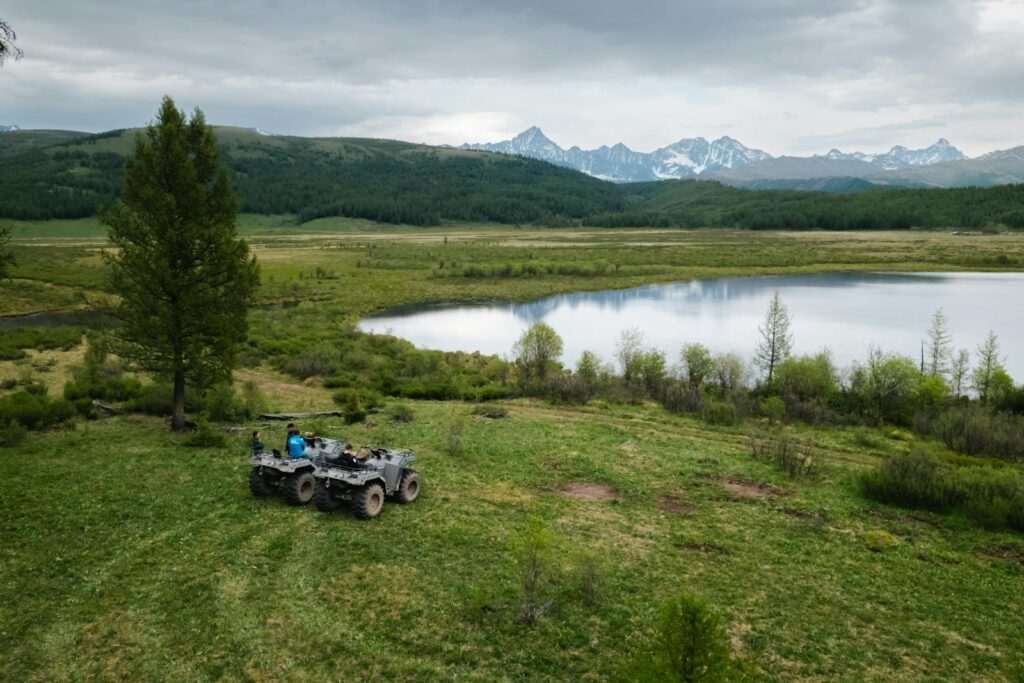
Alaska is one of the few places in the country where you can ride an ATV through genuine wilderness — not a groomed resort trail or a private ranch loop, but real backcountry terrain with mountain views, creek crossings, and the kind of emptiness that reminds you why people come to Alaska in the first place. For riders based in or visiting Anchorage, the access is better than most realize. Within an hour or two you can be at Hatcher Pass, at one of Alaska’s few designated OHV areas near the Glenn Highway, or signed up with a local outfitter for a guided ride into terrain you’d never navigate on your own. Here’s what to know.
Caribou Creek OHV Area
The Caribou Creek Off-Highway Vehicle Area is the most formally designated OHV riding area accessible from Anchorage, located near Mile 107 of the Glenn Highway — roughly an hour and a half northeast of the city. It’s one of the few areas in Alaska managed specifically for motorized off-road recreation, overseen by the Alaska Department of Natural Resources (ADNR).
The terrain at Caribou Creek is varied: a mix of open tundra, brushy hillsides, creek bottoms, and rocky ridgeline routes. Trails range from wide two-track roads accessible to most UTVs and four-wheelers to narrower single-track that suits smaller ATVs and dirt bikes. Elevation changes are significant — you can climb several hundred feet above the valley floor for panoramic views of the surrounding Chugach range before dropping back down into the drainage.
What machines are allowed: ATVs, UTVs (side-by-sides), 4×4 trucks with high clearance, and dirt bikes are all common. The area isn’t suitable for street-legal vehicles — most approaches involve rough two-track access roads and shallow creek crossings that require real ground clearance and four-wheel drive.
Permit requirements: An Alaska OHV permit is required from ADNR to ride at Caribou Creek. Permits are available online through the ADNR website and at some outfitters and sporting goods stores in Anchorage. The annual permit is inexpensive; day permits are also available. Carry the permit with you — enforcement does occur, particularly on busy summer weekends.
Hatcher Pass
The Hatcher Pass and Independence Mine area in the Mat-Su Valley has long attracted backcountry riders looking for high-alpine ATV terrain. The pass sits at about 3,886 feet at its highest point, offering above-treeline tundra riding with sweeping views of the Talkeetna Mountains and the upper Matanuska-Susitna Valley. On a clear summer day, it’s one of the most visually spectacular ATV environments in the state.
Riding in the Hatcher Pass area is more dispersed than at a dedicated OHV zone — most access is via existing roads, mining tracks, and informal trails on state and borough land. Riders should be aware of and respect private property boundaries and stay on established routes. The area around Independence Mine is a state historical park; motorized travel off designated roads within park boundaries is restricted. The broader Hatcher Pass Management Area has designated motorized and non-motorized zones — check the Alaska DNR Hatcher Pass Management Plan before your trip to confirm where riding is currently permitted.
The roads to the pass itself are partly paved and partly gravel; the summit road is gravel and can be rutted in wet conditions. Passenger cars make it regularly, but trailers and wider vehicles should be cautious on the upper sections. ATVs are typically trailered to staging areas near the lower valley and ridden from there.
Guided ATV Tours from Anchorage
If you don’t have your own machine or want to access terrain you’d struggle to find independently, guided ATV and off-road tours are available through several Anchorage-area outfitters. Alaska Outdoor Adventures and Chugach Adventures both offer motorized and off-road experiences in the Anchorage region, though availability and specific ATV offerings vary by season. Contact them directly for current tour formats and pricing.
Guided tours typically provide all equipment — ATV, helmet, and protective gear — along with instruction for first-time riders. Most guided experiences run two to four hours and access private land or permitted areas that aren’t open to self-guided riding. For visitors who want the experience without the logistics of renting and trailering their own machine, a guided tour is the most practical option.
Some rental shops in the Anchorage and Palmer area rent ATVs and UTVs on a daily basis, often with trailer packages for riders who have a tow vehicle. Call ahead to confirm availability — rental stock can be limited in peak season.
Trail Types and Difficulty
Alaska off-road terrain doesn’t map neatly onto the kind of color-coded difficulty ratings you’d see at a maintained trail system. What you generally encounter near Anchorage:
- Two-track roads: Wide, relatively stable routes accessible to most full-size ATVs, UTVs, and high-clearance trucks. Suitable for beginners with basic off-road awareness. Common at Caribou Creek and on Hatcher Pass approach roads.
- Single-track trails: Narrower routes requiring more precise handling. Better for smaller ATVs and dirt bikes. Some technical sections with rocks, roots, and steep grades. Intermediate skill level.
- Tundra and alpine routes: Open terrain above treeline, often without a defined trail. Navigation by GPS and terrain-reading. Soft ground, hidden rocks, and unpredictable footing. Experience required.
Safety and Regulations
Helmets are required by Alaska law for ATV riders under 16, and strongly recommended for all riders. Falls on rocky or root-crossed terrain at even low speeds can cause serious head injuries. Full-face helmets are advisable for single-track and technical terrain.
Alaska DNR regulations apply across state land. Key rules: stay on designated routes in managed areas, don’t create new trails or ride in stream beds, and pack out all waste. Violation of OHV rules can result in fines and permit revocation.
Bear awareness is non-negotiable in the Caribou Creek and Hatcher Pass areas. Both see regular brown and black bear activity, particularly in berry season (late July through September). Carry bear spray accessible on your body — not in a pack or on the machine — and make noise when moving through brushy terrain. Don’t leave food unsecured at staging areas. Know how to use the spray before you go.
Cell coverage is limited or nonexistent in both riding areas. Let someone know your planned route and expected return time. A satellite communicator (SPOT, Garmin inReach) is a worthwhile investment for regular backcountry riders in Alaska.
Seasonal Access
The riding season near Anchorage typically runs from June through September, with July and August being the core months. Key notes by period:
- June: Trails may be wet and soft from snowmelt. Higher elevations at Hatcher Pass can retain snow into early June. Check conditions before heading out.
- July–August: Optimal conditions. Ground is firmer, weather is most reliable, and daylight is extensive. Peak bear activity in August as berries ripen.
- September: Fall color on the tundra is spectacular, but temperatures drop quickly and early snowfall can close higher routes. Check forecasts carefully and plan to be off exposed terrain before dark.
Getting There
For Caribou Creek: take the Glenn Highway northeast from Anchorage toward Palmer and Glennallen. The OHV area is near Mile 107, approximately 100 miles from Anchorage — plan for a 1.5-hour drive, longer with a trailer. The access road can be rough; a 4×4 tow vehicle is strongly recommended.
For Hatcher Pass: take the Glenn Highway to Palmer, then take the Fishhook-Willow Road north into the pass. Total drive from Anchorage is approximately 75 to 90 minutes depending on your staging destination within the pass.
Featured photo by Dmitriy Ryndin on Pexels.
No comments yet.