
Halibut Fishing near Anchorage 2026 — Charters, Spots & Tips
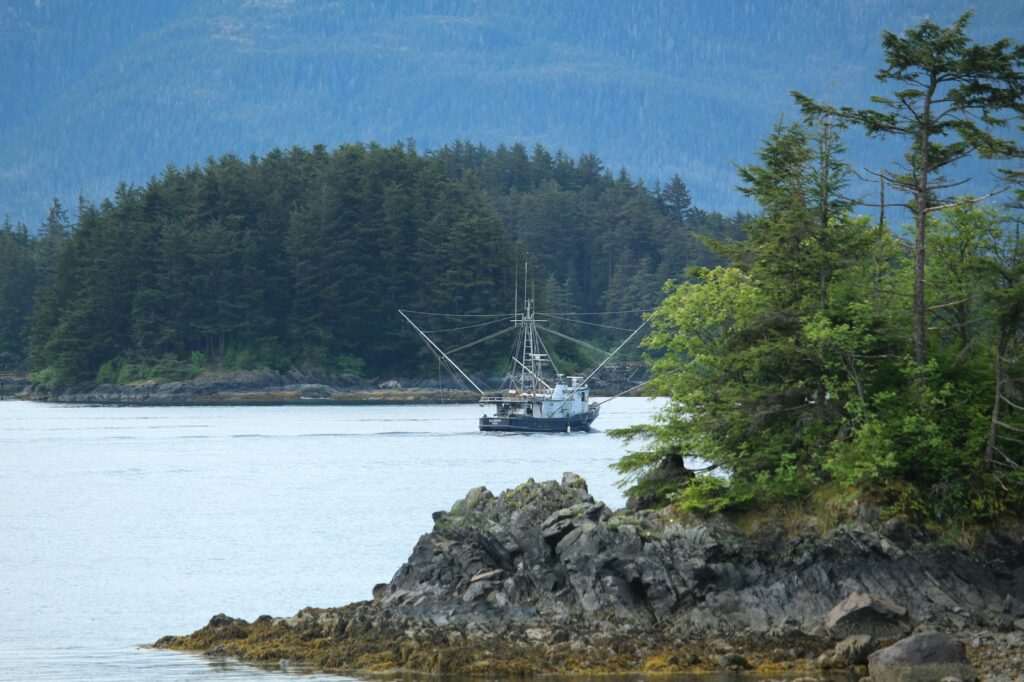
If halibut fishing near Anchorage Alaska is on your list, you’re in a strong position geographically. Anchorage sits within a few hours of three distinct halibut fisheries — and a short day trip to Homer puts you in one of the most productive halibut grounds on the continent. Here’s where the fish are, how to get there, what charters typically include, and what the regulations look like for 2026.
Homer: The Primary Destination (4.5 Hours South)
Homer earns the “Halibut Capital of the World” nickname legitimately. The Homer Spit runs a dense fleet of charter operators fishing Kachemak Bay and the outer waters of lower Cook Inlet, where halibut stack up on underwater ledges in numbers that produce consistent limits. Full-day halibut charters out of Homer typically run $250 to $350 per person, depending on group size and how far offshore the captain runs. Most full-day trips leave the dock around 6 or 7 AM and return by 4 or 5 PM.
Homer is about 4.5 hours south of Anchorage via the Seward Highway and Sterling Highway — a manageable drive that most anglers knock out the night before and stay in Homer. The payoff is worth it. Homer-area halibut commonly run 20 to 50 pounds, with barn-door specimens over 100 pounds caught regularly during peak season. June through August are the prime months, with early July typically producing the best fish counts.
The Homer Spit has dozens of charter operators. Saltwater Excursions Alaska is one of the well-regarded operators running halibut trips in the region, offering both full-day and combo salmon-halibut options depending on the season.
Seward: Closer, With Combo Options (2.5 Hours South)
Seward sits about 2.5 hours south of Anchorage on the Seward Highway — a faster option if you don’t want to commit to the full Homer drive. Resurrection Bay produces solid halibut, especially for groups combining halibut fishing with a Kenai Fjords glacier cruise on the same trip. Several Seward operators offer half-day and full-day halibut charters departing from the small boat harbor. Halibut in Resurrection Bay tend to run smaller than Homer fish on average, but the scenery — glaciers, sea otters, whales — makes Seward a compelling package for visitors who want more than just a fishing trip.
If your group includes people who want to fish AND people who want wildlife viewing, Seward makes it easy to split the day. Book one person on a charter and the rest on an afternoon Kenai Fjords cruise — the town is small enough to make that work without a complicated logistics plan.
Whittier and Prince William Sound: The Closest Option (1.5 Hours)
If you’re short on time or want a half-day option from Anchorage, Whittier is your closest access to saltwater. About 1.5 hours from Anchorage via the Anton Anderson Memorial Tunnel, Whittier puts you on Prince William Sound — a protected fjord system with halibut, though the fish here run smaller than Homer or even Seward. Expect halibut in the 10 to 25 pound range rather than the larger Homer fish.
The advantage is proximity and the option to combine halibut with Prince William Sound sightseeing. Cook Inlet Charters operates out of the Anchorage and Whittier area and can connect you with guided trips across multiple fisheries depending on timing and group size.
Kenai and Soldotna: Combo Salmon-Halibut (2.5 Hours)
The Kenai Peninsula town of Soldotna, about 2.5 hours from Anchorage, sits on the Kenai River — famous for king and sockeye salmon, not halibut. But many operators in this area offer combo day trips: morning salmon fishing on the river, afternoon halibut off the coast near the Kenai River mouth. If you want both fish on one trip, the Kenai/Soldotna corridor makes the logistics work efficiently. Kenai River king salmon fishing opens in late May; combo halibut trips typically run mid-June through August when both fisheries are productive.
What Your Charter Includes
Most licensed halibut charter operators in Alaska include the following in the quoted rate:
- Rod, reel, and tackle. Bring your fishing license; everything else is typically provided.
- Bait. Herring, squid, and octopus are standard. Some captains use their own preferred rigs — ask ahead if you want to bring specific gear.
- Cleaning and basic processing. Most charters will clean and bag your catch dockside. This gets you a vacuum-sealed fillet, typically flash-frozen overnight for pick-up the next morning.
- Guide and safety equipment. Life jackets, emergency gear, and a licensed captain with Coast Guard credentials.
What charters typically don’t include: your fishing license, transportation to the dock, lodging, tip for the crew (15-20% is standard), or the cost to ship fish home. Vacuum-sealed overnight shipping of frozen fillets to the Lower 48 runs $75 to $150 per box depending on weight and destination.
Alaska Good Time Charters operates half-day and full-day trips and is a solid starting point for comparing what’s included across operators before you book.
What to Wear and Pack
Halibut fishing means hours on the open water. Even on warm summer days, temperatures on the water run 10 to 15 degrees colder than on land, and ocean spray adds a wet chill that wind doesn’t. Pack:
- Rain bibs or waterproof pants — deck spray soaks regular pants fast.
- Rubber-soled shoes — boat decks get slippery. Leave the Tevas on land.
- Layers under your rain gear — fleece or wool midlayer, not cotton.
- Motion sickness medication — take it the night before AND the morning of if you’re susceptible. Open-ocean halibut fishing involves a lot of rocking at anchor in swells. Dramamine or Bonine taken proactively works much better than treating nausea after it starts.
- Sunscreen and polarized sunglasses — Alaska’s summer sun reflects hard off the water.
2026 Regulations at a Glance
Alaska halibut fishing is managed under a federal program through the International Pacific Halibut Commission (IPHC). For 2026:
- Bag limit: 2 Pacific halibut per day per person in most Cook Inlet and Gulf of Alaska areas. Check the current IPHC regulations for your specific fishing area, as limits can vary by management area.
- License: A non-resident Alaska sport fishing license is required. Day licenses run approximately $20 for one day and $55 for a 3-day license. Annual non-resident licenses run around $145. Most charter operators can point you to the closest license vendor, or purchase online via the Alaska Department of Fish and Game (ADF&G) website before you leave Anchorage.
- Halibut stamp: Not required for guided charter fishing (the charter operator typically holds the required permit), but verify with your specific operator.
How far is Homer from Anchorage for halibut fishing?
Homer is approximately 225 miles and 4.5 hours south of Anchorage via the Seward and Sterling Highways. Most halibut anglers drive down the night before and stay in Homer rather than making it a same-day round trip. Early departures (6–7 AM) from Homer docks make overnight stays the practical choice for full-day charters.
What’s the closest halibut fishing to Anchorage?
Whittier, about 1.5 hours from Anchorage via the Anton Anderson Memorial Tunnel, is the closest saltwater halibut access from the city. Halibut in Prince William Sound run smaller than Homer fish — expect 10–25 pounds — but the short drive and half-day format make Whittier a viable option if you’re short on time or want to combine fishing with the Sound’s glacier and wildlife scenery.
Do you need a guide for halibut fishing near Anchorage?
You don’t legally need a guide, but fishing from a licensed charter is strongly recommended for visitors. Halibut fishing requires local knowledge of bottom structure and seasonal fish movement, plus a boat equipped for the open ocean conditions on Cook Inlet and the Gulf of Alaska. Charter operators provide all gear, clean your catch, and handle the federal permit requirements. DIY halibut fishing from Anchorage-area waters is technically possible if you have your own coastal-rated boat and the right equipment — but most visitors are better served by a guide.
Featured photo by Howard Herdi on Pexels.

No comments yet.