
Cordova, Alaska 2026: The Complete Guide to Prince William Sound’s Hidden Port Town
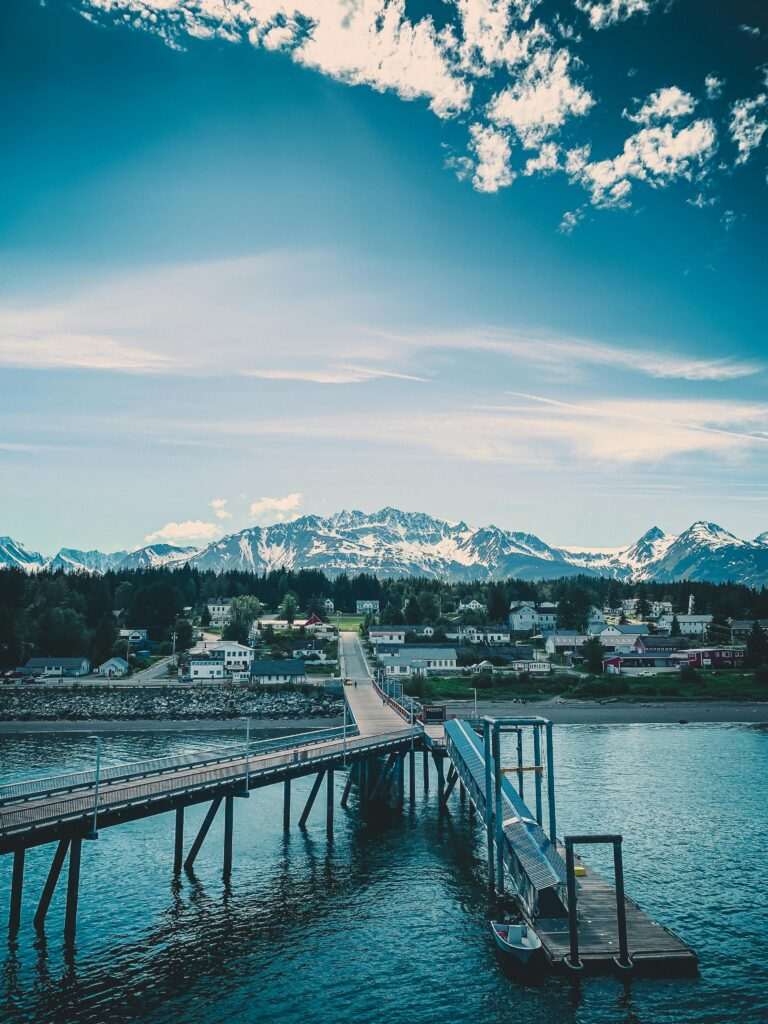
Most Alaska visitors never make it to Cordova. There’s no road connecting it to the rest of the highway system — you fly in or you take the ferry, and either way you’ve made a deliberate choice to reach a place that hasn’t bent itself to accommodate easy access. That inaccessibility is, in large part, what makes Cordova so extraordinary. This working fishing community on Prince William Sound has a living waterfront, an ecosystem that feeds millions of migratory birds, a glacier that calves car-sized ice blocks directly into a river, and zero interest in performing Alaska for tourists. It’s the real thing.
Getting to Cordova
Cordova sits on the eastern edge of Prince William Sound, roughly 150 miles east of Anchorage as the crow flies. Two options for getting there:
Fly: Alaska Airlines operates daily flights from Anchorage, roughly an hour each way. The flight is beautiful — over the Chugach Mountains and into the Sound — and it’s the fastest option. Book early in peak season; this is a small community with limited seats.
Ferry: The Alaska Marine Highway connects Cordova to both Whittier and Valdez on a schedule that varies by season. The ferry ride from Whittier is a full-day journey through Prince William Sound, passing glaciers, islands, and wildlife the whole way. If you have the time, the ferry isn’t just transportation — it’s a scenic experience in itself.
Childs Glacier: Alaska’s Most Dramatic Ice Show
About 50 miles east of Cordova on the Copper River Highway, Childs Glacier is one of the most active tidewater-adjacent glaciers accessible by road in Alaska. It doesn’t calve into the ocean — it calves into the Copper River, which means that when a face collapse occurs, it sends a wave surging across the river toward the viewing area on the opposite bank. The National Forest Service has closed the closest viewing platforms multiple times over the years due to wave damage from calving events. Let that sink in.
On quiet days, Childs Glacier still offers spectacular views of a living, cracking, groaning ice face. On active days, it puts on a show that’s hard to believe is happening in front of you. Bring layers (the glacier creates its own cold air), binoculars, and patience. Wildlife — including brown bears fishing for salmon in the Copper River — is common in the area during summer months.
The Million Dollar Bridge and Copper River Highway
The same road that reaches Childs Glacier — the Copper River Highway — is itself a destination. Originally the bed of the Copper River and Northwestern Railway, which connected the Kennecott copper mines to the port at Cordova from 1908 to 1938, the highway dead-ends at the Million Dollar Bridge spanning the Copper River. The bridge, completed in 1910 at enormous expense and engineering difficulty, spans the river between Miles and Childs Glaciers — both of which were bearing down on the construction site during the build. One pier was completed hours before the advancing Miles Glacier would have made it impossible.
Today the bridge has been stabilized after earthquake damage and is driveable, but the road ends shortly beyond it. Drive it for the views, the history, and the wildlife corridors it passes through. Chugach National Forest Scenic Drives includes the Copper River Highway among Alaska’s most extraordinary road experiences — the combination of glacier, river delta, and mountain scenery is unmatched.
The Copper River Delta: A Continent’s Worth of Birds
The Copper River Delta is the largest wetland on the Pacific Coast of North America — nearly 700,000 acres of flats, sloughs, and islands where the Copper River empties into Prince William Sound. Every spring, somewhere between five and eight million shorebirds stop here during northward migration, making Hartney Bay on the delta’s western edge one of the premier birding events on earth. The sheer density of Western Sandpipers, Dunlins, and other shorebirds in late April and early May has to be seen to be comprehended.
Even outside migration season, the delta hosts bald eagles, trumpeter swans, dusky Canada geese (a subspecies that breeds almost exclusively on the Copper River Delta), and brown bears — lots of bears. The ecosystem is managed as a critical component of Pacific Flyway conservation, and visiting it feels like visiting the source code of the continent’s bird migration system.
On the Water: Kayaking Orca Inlet
Orca Inlet, the sheltered bay that separates Cordova’s harbor from the open Sound, offers excellent sea kayaking for paddlers of all levels. The inlet is protected enough for beginners and interesting enough for experienced paddlers — wildlife, scenery, and the possibility of glacier ice floating past make every paddle different. Tidewater Glacier Expeditions offers guided paddling and glacier access in the Prince William Sound area, with experiences tailored to those who want expert guidance navigating these waters.
For those who want to go farther into Prince William Sound from Cordova, the Sound opens into a vast wilderness of fjords, islands, and tidewater glaciers largely untouched by tourism infrastructure. Prince William Sound Kayak Center offers multiday expeditions and equipment support for paddlers ready to commit to longer Sound exploration.
Fishing Culture and the Copper River Salmon Experience
Cordova is one of the most important commercial fishing ports in Alaska, and the Copper River salmon — King and Sockeye — are among the most prized fish in the world, commanding premium prices in restaurants from Tokyo to New York. The first Copper River Kings of the season (typically mid-May) are a genuine event, and being in Cordova when the first boats come in is a special thing. You can watch the fleet unload at the harbor, buy directly from processors, and eat fish so fresh it was swimming in glacier-fed water that morning.
The fishing culture isn’t a performance for visitors — it’s just life in Cordova. The harbor is a working waterfront. The conversations in the coffee shop are often about which boats are running and what the catch looks like. If you’re interested in engaging genuinely with this culture, do it with curiosity and respect. Ask questions at the harbormaster’s office. Talk to people in the diner. This is one of the few places in Alaska where the fishing industry is still the whole heartbeat of the community.
When to Visit Cordova
Each season in Cordova has its own character:
- Late April–early May: Peak shorebird migration. Hartney Bay is extraordinary. Weather is unsettled but the birding is worth it.
- Mid-May–June: Copper River King Salmon season. The town is alive, the harbor is busy, and fresh fish is everywhere.
- July–August: Summer kayaking, Sockeye salmon season, Childs Glacier and Copper River Highway in full swing. Longest days, best weather windows.
- September: Quieter, moody, spectacular fall colors on the delta. Bears fattening before denning. Far fewer visitors.
Lodging and Practical Notes
Cordova has a handful of small hotels, B&Bs, and vacation rentals. Options are limited; book well in advance, especially during salmon season or the shorebird migration. The town has basic services — grocery stores, restaurants, a few bars — but don’t expect a wide range of dining choices. What you will find: good coffee, fresh seafood, and the genuine warmth of a community that doesn’t see many strangers.
Cordova is not the Alaska of cruise ships and jewelry stores. It’s the Alaska of weathered boats and people who chose a hard, beautiful life. If that’s what you’re looking for, it delivers completely.
Photo by Howard Herdi via Pexels

No comments yet.