
McCarthy & Kennicott 2026: The Ultimate Guide to Wrangell-St. Elias’ Remote Heart
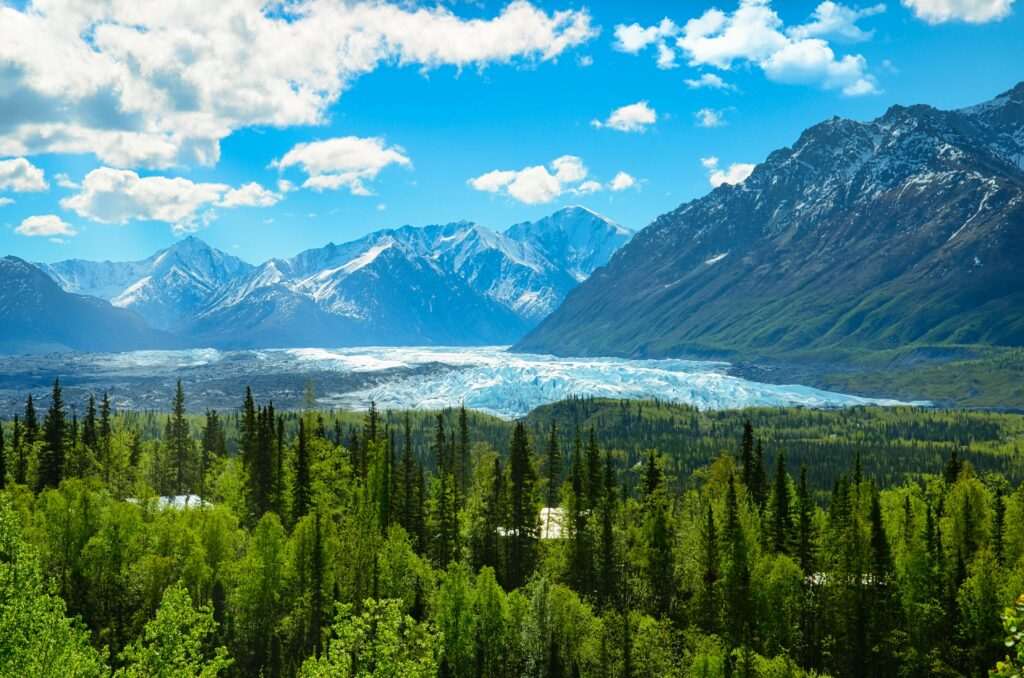
Most people drive past the turnoff. The McCarthy Road — 60 unpaved miles from Chitina, Alaska, across a remote river valley and through some of the most dramatic terrain on earth — isn’t the kind of road that invites impulsive detours. But those who commit to it, who take the slow gravel miles seriously and emerge on the other side to cross the footbridge into McCarthy, discover one of the most extraordinary places in North America. Welcome to the remote heart of Wrangell-St. Elias National Park, where a crumbling copper empire still stands, glaciers are a short hike away, and the frontier atmosphere is completely, refreshingly genuine.
Getting There: The McCarthy Road (and Why It’s Worth It)
Let’s talk logistics first, because the journey to McCarthy is a genuine commitment. From Chitina — about 100 miles east of Glennallen on the Edgerton Highway — the McCarthy Road runs 60 miles east along the historic Copper River and Northwestern Railway bed. It’s unpaved, potholed, and slow. Plan 2–3 hours for the drive at a reasonable pace. Flat tires are common enough that you should carry two spare tires, not one. The road also crosses a number of small bridges and stream crossings that can be affected by weather.
At the end of the road, you can’t drive into McCarthy itself. You park at the Kennicott River footbridge, cross on foot, and either walk the 5 miles to Kennicott or catch a shuttle van that runs regularly in summer. No cell service. No gas stations. Bring cash and everything you need.
The alternative is flying in. Trail Ridge Air and Regal Air both offer charter flights from the Anchorage area to McCarthy, cutting the overland journey entirely. If your time is limited, flying in is the smart play — you get more days in the field and arrive ready to explore rather than road-weary. It costs more, but the view on approach alone is worth it.
The Kennecott Mines: Alaska’s Most Dramatic Historic Site
Five miles beyond McCarthy, perched at nearly 2,000 feet on a lateral moraine above the Kennicott Glacier, stands the Kennecott Mines National Historic Landmark. From 1903 to 1938, this complex extracted an almost unimaginable amount of copper from the surrounding mountains — over 4.6 million tons of ore, yielding copper worth hundreds of millions of dollars in today’s values. At its peak, the mine employed over 500 workers in what was effectively a company town accessible only by railroad.
Today the 14-story mill building and surrounding structures are a UNESCO World Heritage Site (as part of the broader Wrangell-St. Elias designation) and one of the best-preserved examples of early industrial architecture in the United States. The National Park Service manages the site and offers guided tours of the mill building interior — highly recommended, as the building’s massive timbers, ore processing equipment, and stories of the men who worked here are genuinely fascinating. You can also explore the exterior and surrounding structures independently.
Don’t rush this stop. Budget at least half a day for Kennecott, and consider that a guided mill tour often reveals details and history you’d completely miss wandering on your own.
Root Glacier: Ice Walking Without Expedition-Level Commitment
The Root Glacier Trail begins right at the edge of the Kennecott townsite and offers one of the most accessible glacier experiences in Alaska. The 4-mile round trip hike leads to the glacier’s edge through a landscape of moraines and braided streams, with jaw-dropping views of the Wrangell-St. Elias peaks the entire way.
Once you reach the ice, guided glacier walks take you out onto Root Glacier’s surface — crampons provided — for a close-up look at blue ice, melt channels, and crevasses. This isn’t a technical mountaineering experience; it’s accessible to most adults in reasonable fitness, and it delivers the rare thrill of actually walking on glacial ice in an Alaskan wilderness setting. Several local guide services in Kennicott/McCarthy offer these ice walks, typically 2–4 hours including the approach hike. Book ahead in peak season.
Bonanza Mine Trail: The Demanding Reward
For those who want a longer, harder day, the Bonanza Mine Trail climbs from Kennecott to the abandoned Bonanza Mine at roughly 6,000 feet. The trail gains approximately 3,800 feet in 4 miles — steep, relentless, and outstanding. The panoramic views from the top encompass glaciers, the Wrangell peaks, and the valley below in a sweeping vista that few trails in Alaska can match.
The mine ruins at the top add historical texture to what’s already a spectacular hike. Plan for a full day, start early (before 8 AM is ideal), carry plenty of water, and be prepared for afternoon weather changes at elevation. This trail isn’t for casual hikers, but it’s not technical — anyone with good fitness and proper footwear can complete it.
McCarthy: Frontier Community, Genuinely
McCarthy — the actual town — is a handful of buildings, a couple of restaurants, a few small lodges, and a bar that’s been in continuous operation since the mining era. There’s no cell service. No chain businesses. No strip malls. What there is: genuine Alaskan frontier character, warm hospitality from people who chose this life deliberately, and a quality of quiet that most Alaskans have driven out of their own lives by being too close to a highway.
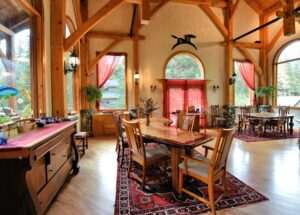
The McCarthy Lodge has been serving travelers since the 1900s. Kennicott Glacier Lodge, up near the mine, offers more polished lodging with stunning views. Camping is available nearby for those who prefer to spend their nights under a sky full of stars. Whatever you choose, plan to stay at least two nights — the area rewards slow travel, and one day simply isn’t enough to do both Kennecott and the glacier.
Multi-Day and Backcountry Options
Wrangell-St. Elias is the largest national park in the United States — larger than Switzerland — and the McCarthy/Kennicott corridor is just the beginning. For experienced backcountry travelers and mountaineers, the surrounding terrain offers multi-day routes across glaciers, into remote drainages, and up technical peaks that see almost no traffic. Alaska Backcountry Adventure Tours specializes in exactly this kind of guided multi-day wilderness travel, offering everything from guided pack trips to technical mountaineering support for those who want to go deeper into the park with professional guidance.
If you’re planning independent backcountry travel, a stop at REI Co-op Anchorage before departure is essential — Kennicott has no resupply options, and any gear gaps become very apparent once you’re 60 miles down a gravel road with no cell service.
Planning Your 2–3 Day Visit
One day is not enough. Two days is the practical minimum; three days is the sweet spot. Here’s a simple framework:
- Day 1: Drive or fly in. Arrive at Kennicott, check in, take the NPS guided mill tour, explore the Kennecott townsite at your own pace.
- Day 2: Early start for the Root Glacier trail and guided ice walk. Afternoon: explore McCarthy, dinner at the lodge.
- Day 3: Bonanza Mine Trail for the ambitious, or a morning kayak paddle on the Kennicott River for those who prefer a gentler close to the trip. Depart in the afternoon.
Shoulder season (late May, early June, and September) offers fewer crowds and dramatic weather, but some guide services may have reduced schedules. Peak season (July–August) is busy by Alaskan standards but nowhere near overwhelming — this is still genuinely remote Alaska.
McCarthy and Kennicott reward the people who make the effort to get there. The gravel miles are a filter, not a flaw. On the other side of them: ice-blue glaciers, a copper empire frozen in time, and mountain landscapes that make even veteran Alaska travelers stop mid-stride and simply stare.
Photo by Lynne Jablonski via Pexels
No comments yet.