
Anchorage Mayor’s Midnight Sun Marathon 2026: Running Under the Midnight Sun
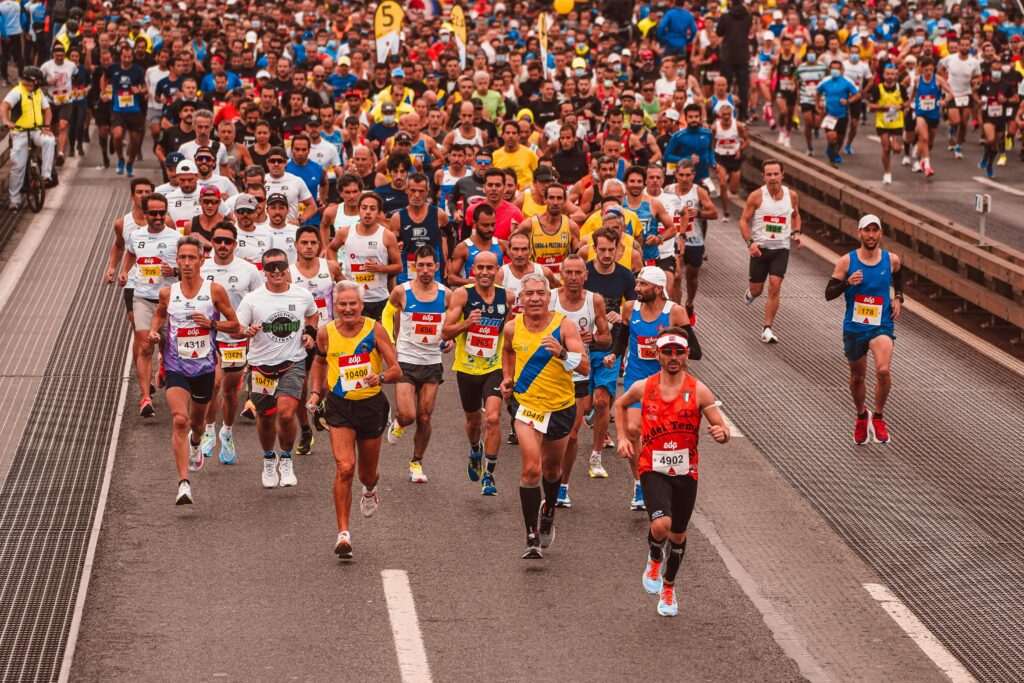
Most marathons start at sunrise. The Anchorage Mayor’s Midnight Sun Marathon starts at 8 PM and finishes — depending on your pace — sometime after 10 PM, in broad daylight. On the summer solstice weekend in late June, Anchorage sees nearly 20 hours of daylight, and the sun angles low across Cook Inlet without setting, casting the kind of golden horizontal light that photographers spend careers chasing. Running through that light, along the Tony Knowles Coastal Trail with the Chugach Mountains reflected in the inlet, is the kind of experience that stays with runners who do it once and draws them back for more. The Midnight Sun Marathon is not the fastest course or the largest field, but it is one of the most distinctive running events in the world, and the city of Anchorage does it exceptionally well.
Race Overview
The Mayor’s Midnight Sun Marathon is held on the Saturday nearest the summer solstice, typically the third or fourth Saturday in June. The 2026 edition follows the established format: a full marathon (26.2 miles), a half marathon (13.1 miles), and a relay option that allows teams of two to four runners to divide the full marathon distance. The marathon and half marathon start at 8 PM from Delaney Park Strip in downtown Anchorage; relay teams follow the same start time and course. Finish line operations run through the night — though “night” in late June Anchorage means a sky that never goes dark.
The event draws between 2,000 and 3,000 participants across all race distances in a typical year, with a healthy mix of local Anchorage runners, Alaskans traveling from other parts of the state, and visitors who specifically plan their Alaska trip around the race date. The finish line atmosphere is festival-like: spectators in lawn chairs at 11 PM, medals, post-race food, and the shared disorientation of finishing a marathon in full daylight.
The Course
The marathon course runs primarily through Anchorage’s coastal neighborhoods before connecting to the Tony Knowles Coastal Trail, the paved multi-use path that skirts the western edge of the city above Cook Inlet. The coastal section provides the race’s most distinctive scenery: the inlet stretches west toward the Alaska Range, beluga whales occasionally surface in the shallows below the trail, and on clear evenings the Chugach peaks to the east catch the low-angle solstice light and turn gold and pink. The full marathon course is considered moderately challenging — largely flat on the coastal sections, with some rolling hills through the Westchester Lagoon area and neighborhoods north of downtown.
The half marathon course shares the most scenic sections of the full course, concentrating the coastal trail miles while keeping the total distance to 13.1. Both courses are certified and chip-timed. Aid stations appear every two miles with water and electrolytes; the late-evening temperature and low intensity of the solstice sun means dehydration risk is lower than in midday summer races, but runners should hydrate as they would for any long-distance event.
Registration
Registration for the Midnight Sun Marathon opens in the fall of the preceding year and fills significantly by late winter. The full marathon typically sells out months before race day; half marathon spots last somewhat longer. Anyone planning to run — especially those traveling from outside Alaska — should register as soon as registration opens rather than waiting for spring. Race week packet pickup takes place at designated locations in downtown Anchorage in the days before the event; same-day pickup is available but adds logistics to an already time-pressured race day. Entry fees are comparable to similarly sized American road races, in the range of $80–$130 depending on distance and registration timing.
What to Wear and Bring
The single most important piece of gear for the Midnight Sun Marathon is one that runners rarely pack for road races: sunglasses. The sun at 10 PM on the solstice sits low on the horizon and shines directly into the eyes of anyone running westward along the coastal trail — which the course does for several miles. Polarized sunglasses or a running visor are not optional.
Temperature at race time runs 45–55°F in a typical year, with occasional warmer evenings and rare cool stretches that push below 40°F. Layers work: a long-sleeve base with a light vest or windbreaker covers the full range, and many runners start with a throwaway layer they drop at an aid station once they warm up. Gloves for the first few miles are a reasonable precaution. The course is well-lit by nature, so headlamps and reflective gear are unnecessary, though a small light for pre-race milling in lower-lit areas doesn’t hurt.
Sleeping Before a Late Evening Race
A race that starts at 8 PM presents a genuine logistical challenge: when do you sleep? Most experienced Midnight Sun runners adjust their sleep schedule in the days before the race, shifting bedtime and wake time progressively later so that the body is naturally alert at race time. For visitors arriving from distant time zones, the Alaska adjustment itself (Alaska is 4 hours behind the East Coast) may help or hinder depending on direction of travel.
Hotel room preparation is critical. Anchorage hotel rooms in late June have blackout curtains as a matter of routine — the city has been hosting visitors during the solstice for generations — but confirming this before booking is worth the extra step. Sleeping in until 10 or 11 AM on race day, eating a normal pre-race meal in the early afternoon, and treating the evening start as a late-day effort rather than a night run is the standard approach. Most runners find the strategy works well once they commit to it.
Other Running Events in Anchorage
The Midnight Sun Marathon is the flagship event on the Anchorage running calendar, but the city has a genuine running culture that extends well beyond one weekend. The Anchorage RunFest, held in late August, offers marathon and half marathon distances along a point-to-point course through the Matanuska-Susitna Valley and is known as a fast, PR-friendly course. Skinny Raven Sports, the anchor running specialty retailer in downtown Anchorage, organizes a calendar of community races and group runs throughout the summer that give visitors a way to run alongside locals during their stay. At the extreme end, the Iditarod Trail Invitational sends foot and bike athletes along portions of the Iditarod Trail in February — a world apart from road racing but part of the same unusually adventurous Alaska running community.
Combining Race Weekend with Anchorage
Race weekend falls at the peak of Alaska’s visitor season, and Anchorage in late June is fully operational as a tourism destination. Pre-race days are ideal for lighter activity: the Tony Knowles Coastal Trail makes an obvious easy shakeout run, the Anchorage Museum and downtown murals reward low-key walking, and the summer farmers markets in Spenard and downtown are running at full capacity. Post-race recovery days align naturally with day trips on the Seward Highway — the drive south through Turnagain Arm is flat-light walking and easy wildlife watching that suits tired legs well.
Travel logistics are straightforward. The race start at Delaney Park is walkable from most downtown hotels, eliminating race-morning transportation stress. Anchorage’s concentration of hotels near the park strip makes it one of the more convenient urban marathon venues in the country. Book accommodation early — solstice weekend in Anchorage is high demand, and the best downtown options fill months out.



No comments yet.