
Alaska Dog-Friendly Travel 2026: Hiking, Parks & Adventures with Your Pet in Anchorage
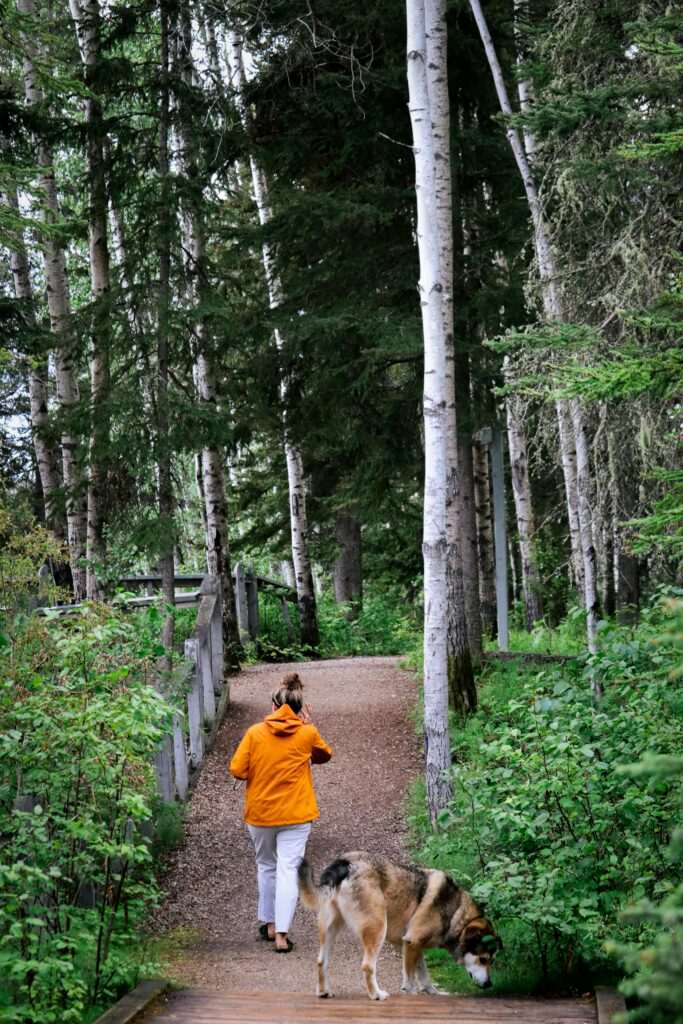
Alaska is a spectacular destination for dogs and the people who travel with them — vast trail systems, accessible wilderness, and an outdoor culture that takes pets seriously. Anchorage in particular is among the more dog-friendly cities in the United States by any measure: the trail network is extensive, off-leash zones exist within the city limits, and most Alaskans you’ll encounter on a trail will have a dog of their own. But traveling to Alaska with a pet requires planning around rules that differ from the Lower 48, wildlife hazards that are genuinely serious, and logistics that don’t always apply elsewhere. Here’s what to know before you arrive.
Dog-Friendly Trails Near Anchorage
Tony Knowles Coastal Trail: The 11-mile paved trail runs along Knik Arm from downtown Anchorage to Kincaid Park. Dogs are welcome on leash the entire length. The trail is heavily used by locals and offers consistent views of the inlet, with Denali visible on clear days from the northern sections. It’s flat, accessible, and one of the best urban trail experiences in any American city. Watch for moose — they use the trail corridor regularly, particularly early morning and evening.
Far North Bicentennial Park: A 4,000-acre park in the heart of Anchorage with over 20 miles of trails through spruce forest. Several trail sections are designated off-leash, making it one of the best options in the city for dogs who need to run. The park has active moose and bear populations — particularly bears during berry season (August–September). Keep dogs under voice control in off-leash areas and leash immediately if wildlife is spotted.
Kincaid Park: Located at the southwestern edge of Anchorage on a forested bluff above Cook Inlet. Kincaid has a large off-leash dog exercise area near the chalet building, plus extensive trails through the park where leashed dogs are permitted. The combination of off-leash play area and good leash trails makes it one of the most complete dog destinations in the city.
Chugach State Park trails: Most front-range Chugach trails allow leashed dogs. Popular options include the Flattop Mountain Trail, Wolverine Peak, and the lower sections of the Rendezvous Ridge trails. Dogs must be on leash in Chugach State Park — this is enforced. Steep terrain and loose scree on upper trails can be hard on dogs’ paws; booties are worth considering for rocky sections.
Campbell Creek Greenbelt: A creek-side trail corridor running through South Anchorage through residential neighborhoods and forested stretches. Leashed dogs are welcome and the flat terrain along the creek makes it accessible for dogs of any fitness level. Salmon run in Campbell Creek in late summer — watch for bear activity along the creek during August and September.
Dog-Friendly Beaches and Water Access
Goose Lake: A popular city lake in Midtown Anchorage. Dogs are allowed on leash along the shoreline and many dogs swim in the lake during summer. The water is surprisingly warm by Anchorage standards in July and August. Busy on summer weekends — arrive early for easier parking and less crowding at the water’s edge.
Jewel Lake: A smaller lake in Southwest Anchorage with a walking path around the perimeter. Leashed dogs welcome. Quieter than Goose Lake and good for dogs who do better without crowds. Access the lake via Jewel Lake Road off Dimond Boulevard.
Coastal access points: Cook Inlet has tidal flats accessible from the Tony Knowles Coastal Trail at low tide. Dogs can walk on the flats, but be aware that the tidal bore in Turnagain Arm and Knik Arm creates extremely fast-moving tides — never venture far onto the flats and watch the tide carefully.
Rules and Restrictions to Know
Denali National Park: Dogs are NOT permitted on backcountry trails, in the backcountry, on park shuttles, or in the wilderness areas. Dogs are restricted to the main park road (within 100 feet), paved roads, parking areas, and frontcountry campgrounds. If Denali is on your itinerary, make arrangements for your dog — this is a strict rule, not a suggestion.
Chugach State Park: Leash required at all times on all trails. Off-leash hiking is not permitted anywhere in the park. Rangers do issue citations.
Alaska State Parks generally: Leash rules vary by park but most require leashes on trails. Always check current rules for the specific park before arriving, as regulations have tightened in recent years in response to wildlife conflicts.
National Wildlife Refuges: Rules vary. Kenai National Wildlife Refuge generally allows leashed dogs on designated trails. Verify current rules before any refuge visit.
Wildlife Safety with Dogs
Moose: The highest priority hazard for dogs in Anchorage. Moose are territorial and will charge dogs without warning — they view dogs as predators and react accordingly. A moose will chase, stomp, and seriously injure a dog. If you see a moose on the trail, leash your dog immediately, move well off the trail, and wait for the moose to pass. Do not run, as this can trigger a chase response. Keep dogs leashed in all areas where moose are present, which includes most Anchorage parks and trails.
Black and brown bears: A dog running off-leash can encounter a bear, panic, and run back toward you — bringing the bear with it. In bear country, keep dogs on leash and carry bear spray. This applies throughout Chugach State Park and any trail outside the urban core.
Porcupines: More common than you might expect on Anchorage-area trails. A dog that attacks a porcupine requires immediate veterinary attention — quill removal is painful and requires sedation.
Dog-Friendly Lodging in Anchorage
Anchorage has a solid selection of pet-friendly hotels, though policies and fees vary. Many major chain properties (Marriott, Hilton, Hyatt brands) have pet programs with per-night fees typically ranging from $25 to $75 per stay. Several boutique properties and vacation rental platforms offer pet-friendly options with full kitchens, which works better for longer stays with dogs. Book explicitly as pet-friendly and confirm pet size and breed restrictions — some properties have weight limits.
Short-term rental platforms (Airbnb, VRBO) have substantial pet-friendly inventory in Anchorage, often with private yards — a significant advantage if your dog needs outdoor access at odd hours.
Outdoor Dining with Dogs
Several Anchorage restaurants with outdoor patio seating welcome leashed dogs on the patio. Alaska’s short summer season means outdoor dining is weather-dependent, but on warm summer evenings the patios fill up — and dogs are often part of the scene. Check with specific restaurants on current pet policies, as these change seasonally. The South Addition and Spenard neighborhoods have the highest concentration of walkable restaurants with patio seating.
Veterinary Clinics in Anchorage
Anchorage has multiple full-service veterinary clinics for routine and emergency care. Emergency animal hospitals operate 24 hours. If your dog is injured on a trail — lacerated paw on scree, porcupine quills, a moose encounter — the veterinary infrastructure in Anchorage is adequate for most situations. Research the nearest emergency vet to your lodging before you need it, and keep the number saved in your phone.
What to Pack for Your Dog in Alaska
- Dog booties: Rocky alpine terrain in Chugach can cut paw pads. If your dog will be on scree or sharp rock, booties prevent injury. They take some adjustment — introduce them before the trip.
- Extra leash: Bring a backup. A 6-foot standard leash for trail use plus a longer lead for open areas.
- Waste bags: Leave No Trace applies everywhere. Pack out all waste — Alaska’s wilderness ethic is real and locals take it seriously.
- Bear spray: Carry it for yourself. It’s effective against moose as well as bears.
- Collapsible water bowl: Alaska’s backcountry water is generally clean, but having your own bowl simplifies stops on trail.
- Dog first aid basics: Paw wrap, antiseptic, tweezers for porcupine quill first-pass removal, emergency contact for the nearest vet.
Dogs on Floatplanes
Floatplane charters operate from Lake Hood in Anchorage (the world’s busiest floatplane base) and from various lake and river access points across Southcentral Alaska. Many operators accommodate dogs, but weight limits apply — floatplane cargo is calculated by total weight including passengers, gear, and pets. Small to medium dogs in soft carriers typically travel well. Large dogs may require a dedicated weight slot that displaces a seat. Contact your specific charter operator well in advance to confirm pet policy, weight allowance, and any carrier requirements. Dogs generally do fine on short floatplane hops (20–60 minutes) if they’re calm in vehicles.
For guided outdoor adventures in the Anchorage area, Adventures by True North and Get Up and Go Tours can advise on which of their tours and trips accommodate dogs. Chugach State Park Trail Systems covers the leash rules and current conditions for the front-range trail network.
Alaska with a dog is genuinely excellent — the trails are good, the wildlife is real, and the culture is welcoming. The main thing the Lower 48 doesn’t prepare you for is how seriously moose need to be taken. Keep the leash on near the city, keep bear spray in your pack in the backcountry, and you’ll have a trip worth repeating.


No comments yet.