Alaska Native Cultural Experiences in Anchorage 2026: Museums, Art & Events
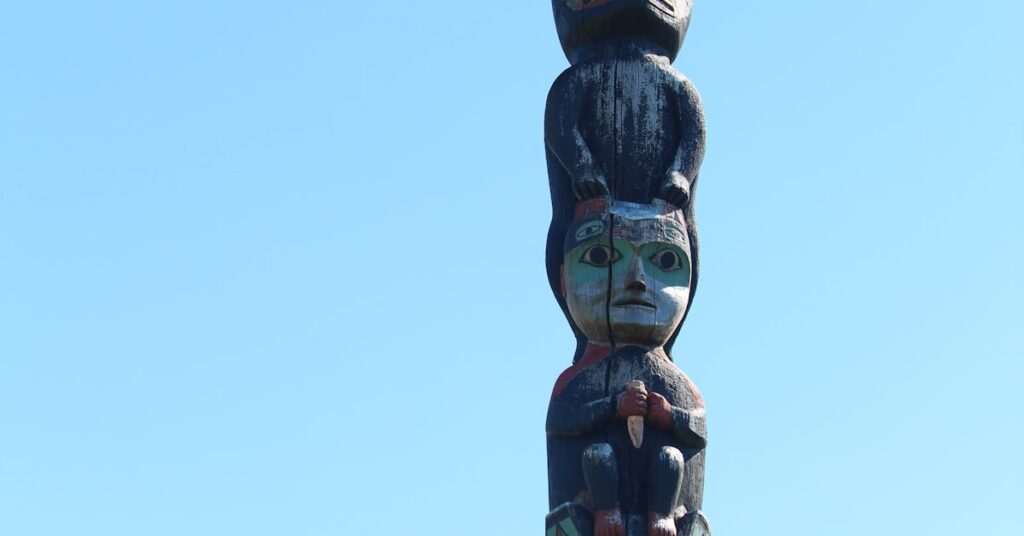
Alaska isn’t just one culture — it’s home to more than 200 distinct Indigenous cultures, languages, and traditions, making it one of the most culturally rich places on Earth. Anchorage sits at the crossroads of many of these traditions, and you don’t have to travel far from downtown to encounter living, thriving Alaska Native culture. Whether you’re visiting for a weekend or spending the whole summer, taking the time to engage with Alaska Native heritage is one of the most rewarding things you can do here.
This guide covers the best places to learn, the art worth collecting, the events worth planning your trip around, and how to do all of it respectfully.
Alaska Native Heritage Center
If there’s one place you visit during your time in Anchorage, it’s the Alaska Native Heritage Center on Glenn Highway — and not just because it’s impressive (it is), but because it’s run by Alaska Native people for the purpose of sharing their cultures on their own terms.
The center’s main hall hosts rotating cultural demonstrations throughout the day. You’ll see things like traditional drumming, dance performances, basket weaving, and skin sewing — and unlike many tourist-facing cultural shows elsewhere, these aren’t performances for spectacle. They’re opportunities to learn from practitioners who’ve carried these traditions for generations.
Outside, the Lake Tiulana walking path leads you through six life-size village exhibits, each representing a different Alaska Native group: the Athabascan, the Yup’ik, Cup’ik, Alutiiq, the Unangan/Aleut, and the Inupiaq, St. Lawrence Island Yupik, Eyak, Haida, Tsimshian, and Tlingit. Each structure was built using traditional materials and techniques and is staffed by knowledgeable cultural ambassadors who answer questions with genuine depth.
The center’s gift shop sells authentic Alaska Native art and crafts directly from artists — an important distinction we’ll come back to. Plan at least three hours for a full visit. If you’re arriving between June and August, you’ll catch the most programming and demonstrations.
Anchorage Museum: The Rasmuson Center Collections
Downtown’s Anchorage Museum at Rasmuson Center holds one of the most significant Alaska Native art collections in the state. The museum’s Alaska Gallery takes visitors through 10,000 years of human history in Alaska, with substantial focus on the material culture, tools, and art of Indigenous peoples.
The contemporary Alaska Native art on display here is particularly worth your time. You’ll see works by artists who are actively reinterpreting traditional forms — weaving, beadwork, sculpture — through modern lenses. It’s a powerful reminder that Alaska Native culture isn’t something frozen in the past. It’s evolving, thriving, and producing world-class contemporary work.
Check the museum’s events calendar before your visit. The museum regularly hosts artist talks, cultural programming, and exhibitions that rotate throughout the year. Admission is worth every dollar, and the museum’s café does a solid job feeding you between galleries.
Finding Authentic Alaska Native Art
Anchorage has a lot of shops selling what looks like Alaska Native art — and not all of it is. Authentic Alaska Native artwork is made by Alaska Native artists and is often labeled with the Silver Hand label, a state-issued certification that guarantees the work was made by a state-recognized Alaska Native or American Indian artist. Look for it before you buy.
The best places to find authentic work include:
- Alaska Native Heritage Center Gift Shop — proceeds benefit Native artists and the center’s programs directly.
- Anchorage Museum Gift Shop — carefully curated selection of certified authentic pieces.
- Local artist markets and fairs — Anchorage hosts numerous summer markets where Native artists sell directly. Check the Anchorage Downtown Partnership calendar for current listings.
- Arctic Rose Galleries and other certified dealers — ask any reputable dealer for Silver Hand certification on items they stock.
Traditional forms you’ll encounter include Athabascan beadwork (often on moccasins and bags), Yup’ik grass baskets, Tlingit and Haida formline art, ivory and bone carving, and birch bark work. Each tradition has its own visual language — once you start learning it, you’ll see it everywhere.
Cultural Events and Festivals
The biggest Alaska Native cultural gathering in Anchorage is the Alaska Federation of Natives (AFN) Convention, held each October. The AFN Convention brings together Alaska Native leaders, artists, performers, and community members from across the state for four days of sessions, cultural performances, a trade show, and the AFN Youth and Elder Conference. The Grand Entrance on the convention’s opening night is one of the most moving cultural experiences you can have in Alaska — hundreds of Alaska Native dancers and performers in traditional regalia entering together, representing dozens of distinct cultures.
The convention is primarily a political and business gathering for Alaska Native people, and visitors who attend should approach it with that understanding. You’re a guest, not an audience. That said, the trade show and cultural performances are open to the public and deeply welcoming.
Beyond the AFN, look for:
- Fur Rendezvous (Fur Rondy) in February — includes traditional Native Alaskan games and the World Championship Sled Dog Race, both with deep cultural roots.
- Gathering of the Peoples Powwow at the Alaska Native Heritage Center in summer — inter-tribal dancing and drumming open to all.
- Summer Solstice celebrations — various events marking the midnight sun, some with Alaska Native cultural programming.
Traditional Foods Worth Trying
Alaska Native cuisine is deeply tied to the land, the sea, and the seasons — and you can experience elements of it in Anchorage. Here’s what to look for:
- Salmon — not just any salmon, but properly prepared wild Alaska salmon (smoked, dried, or fresh) is central to many Alaska Native food traditions.
- Akutaq (Eskimo ice cream) — a traditional Yup’ik dish made with whipped animal fat, berries, and sometimes fish or other ingredients. Variations differ by region and family. You’ll sometimes find it at cultural events and heritage centers.
- Fry bread — while not originally from Alaska, fry bread has become part of many Alaska Native community food traditions and you’ll find it at cultural fairs and events.
- Moose, caribou, and other game — harvested traditionally by many Alaska Native families. Some Anchorage restaurants that source locally will feature these meats.
The Alaska Native Heritage Center occasionally hosts cultural food events — check their calendar when planning your visit.
How to Engage Respectfully
A few principles that’ll make your experience better for everyone:
- Ask before photographing people. Especially during performances or cultural demonstrations, always ask permission before taking photos of individuals. Many cultural events have photography guidelines posted at the entrance — follow them.
- Listen more than you speak. Cultural demonstrations and tours are opportunities to learn. It’s okay to ask questions, but lead with curiosity and humility rather than assumptions.
- Don’t conflate cultures. Alaska has 200+ distinct Native cultures, languages, and traditions. What’s true for the Tlingit isn’t necessarily true for the Yup’ik. Individual ambassadors can speak to their own traditions — don’t generalize across groups.
- Support directly when you can. Buying art directly from artists, purchasing at the Heritage Center gift shop, and attending events that benefit Alaska Native organizations puts resources back into the communities that share their culture with you.
Guided Ways to Explore Anchorage Culture
If you’d rather have a local expert help you navigate Anchorage’s cultural landscape, guided tours can be a great option. Adventures by True North offers small-group guided experiences throughout Anchorage and the surrounding region, giving you context you’d take weeks to learn on your own. Get Up and Go Tours specializes in showing visitors the Anchorage that locals know — including cultural sites and neighborhoods that don’t always make the mainstream tourist maps. Families planning a cultural trip should also look at Family Adventure Camp, which offers structured outdoor and cultural exploration programs designed for all ages.
Alaska Native culture in Anchorage isn’t a museum exhibit you observe from a distance — it’s alive, it’s creating, and it’s genuinely welcoming to people who approach it with respect. Make the time. It’s the kind of experience you’ll carry home with you long after the trip is over.
Featured photo by Александр Максин (@alexmaksin55) via Pexels.

No comments yet.