Free Things to Do in Anchorage 2026: Budget Traveler Guide
Anchorage doesn’t get enough credit as a budget-friendly destination. Beyond the big-ticket flightseeing and guided tours, there’s a surprisingly long list of genuinely free things to do — real experiences, not consolation prizes. Here are more than a dozen ways to spend a full day without spending a dollar.
1. Tony Knowles Coastal Trail
Anchorage’s crown jewel for free outdoor recreation. The Tony Knowles Coastal Trail runs 11 miles of paved path along Cook Inlet’s western shore, from downtown all the way to Kincaid Park. On a clear day the panorama across the inlet to the Alaska Range is extraordinary — Denali is visible on the northern horizon roughly 130 miles away. You’ll share the trail with cyclists, joggers, and the occasional moose. Parking is free at multiple access points; the downtown trailhead near Elderberry Park is the most popular start.
2. Earthquake Park
Few places offer a free lesson in geology and disaster history the way Earthquake Park does. The park sits on land that dropped 20+ feet during the 1964 Good Friday Earthquake — the most powerful ever recorded in North America — and the fractured, slumped terrain still bears the scars. Interpretive plaques tell the full story. The views west across Knik Arm toward the Alaska Range are excellent, and on clear evenings it’s one of Anchorage’s best sunset spots. Free parking, no admission, open year-round.
3. Potter Marsh Boardwalk
The Potter Marsh Bird Sanctuary boardwalk, 12 miles south of downtown on the Seward Highway, is one of Alaska’s most accessible free wildlife experiences. A wooden boardwalk extends over the wetland, putting you eye-level with nesting Arctic terns, trumpeter swans, and red-necked grebes. In late summer, sockeye salmon are visible in the shallows below. No parking fee, no admission. Go in the early morning for the best reflections and the fewest people.
4. Hike Flattop Mountain
The trail is free — only the parking lot charges. The Flattop Mountain Trail starts at Glen Alps Trailhead (day-use parking fee: $5–$10), but you can park for free along upper Hillside Drive and walk in. The hike is 3 miles round trip with 1,350 feet of gain and delivers some of the finest views in southcentral Alaska from the summit. Even a half-hike is worth the effort. Trail access itself costs nothing.
5. Chester Creek Trail
Anchorage’s urban paved trail network is excellent, and the Chester Creek Trail is its backbone — roughly 4 miles threading from Westchester Lagoon east through Goose Lake Park. It’s free year-round for hikers and cyclists, and in winter it’s groomed for cross-country skiing (skiing itself requires a pass; walking is still free). The route connects several neighborhoods and parks and is where locals do their daily exercise.
6. Ship Creek Salmon Viewing
Every summer, king and sockeye salmon push up Ship Creek through downtown Anchorage to reach spawning grounds. Watching is free. The platform near the Ship Creek hatchery puts you directly above holding pools where hundreds of large salmon are visible at once — blocks from the downtown hotels. It’s a remarkable thing to see in a city. Note: fishing Ship Creek requires an Alaska fishing license. Watching is free and genuinely worth it.
7. Anchorage Museum — First Fridays
The Anchorage Museum offers free admission on the first Friday of each month, 5–9 p.m. The permanent collection covers Alaska Native art, arctic science, and Alaska history — world-class material in a beautiful glass-and-steel building downtown. Regular admission runs $18–$22 for adults, so First Friday represents real savings. Check the museum’s current schedule; programming varies each month.
8. Alaska Native Heritage Center Grounds
The Alaska Native Heritage Center charges for its indoor exhibitions — but the outdoor grounds are accessible for free. Full-scale traditional dwellings from Alaska’s major cultural regions surround a reflective lake, connected by a walking path with interpretive signage. It’s a meaningful free experience that gives genuine geographic and cultural context. If budget allows, the interior is worth the $25 admission — it’s one of Alaska’s best cultural institutions.
9. Downtown Public Art & Murals Walk
Anchorage’s downtown is covered in large-scale murals and public sculptures you can walk between in under two hours. The Bear and Raven mural on F Street and the Ulu Woman sculpture near City Hall are highlights. A free public art map is available from the Anchorage Downtown Partnership. No tickets, no guided tour — just decent walking shoes and an afternoon.
10. Lake Hood Seaplane Base
Lake Hood is the world’s busiest floatplane base, and watching the traffic is one of Anchorage’s most underrated free activities. On busy summer days there are dozens of departures and arrivals per hour — Beavers, Otters, Cessnas — heading out to remote lakes and lodges all over Alaska. Free parking along the south shore; access is constant from May through September.
11. Kincaid Park Trails
Kincaid Park on the city’s western edge has 40+ miles of free trails through birch forest, open tundra, and coastal bluffs. Summer gives you moose encounters, wildflowers, and Cook Inlet views. It’s quieter than Flattop and feels more genuinely wild, despite being 20 minutes from downtown. In winter the trails are groomed for skiing (small pass fee for skiing; hiking is always free).
Practical Notes
- Parking in Anchorage is mostly free — trailheads and parks outside the immediate downtown core almost universally have free lots.
- Fishing requires a license. Watching salmon in Ship Creek or Potter Marsh is free; a rod in the water requires an Alaska Sport Fishing License ($25/day for non-residents).
- Flattop parking fee is avoidable. The Glen Alps lot charges; roadside parking on Hillside Drive is free.
- Museum First Fridays fill up. Arrive by 5:15 p.m. on popular months.
- ANHC interior is worth paying for. The outdoor grounds are free; the indoor exhibitions are world-class — budget $25 if you can.
What are the best free outdoor activities in Anchorage?
The Tony Knowles Coastal Trail (11 miles of paved waterfront trail), Earthquake Park, the Potter Marsh boardwalk, Chester Creek Trail, and Kincaid Park are the top free outdoor options. Flattop Mountain is free to hike — only the Glen Alps parking lot charges a fee, which you can avoid by parking on Hillside Drive.
Is the Anchorage Museum ever free?
Yes — the Anchorage Museum offers free admission on the first Friday of each month, typically 5–9 p.m. Regular admission is $18–$22 for adults. Check the museum’s website for the current First Friday schedule.
Can you watch salmon in Anchorage for free?
Yes. Ship Creek runs through downtown and has a free public viewing platform where you can watch salmon running upstream in summer. Potter Marsh, 12 miles south on the Seward Highway, also offers free boardwalk viewing of spawning salmon in late summer. Watching is free; fishing requires an Alaska fishing license.
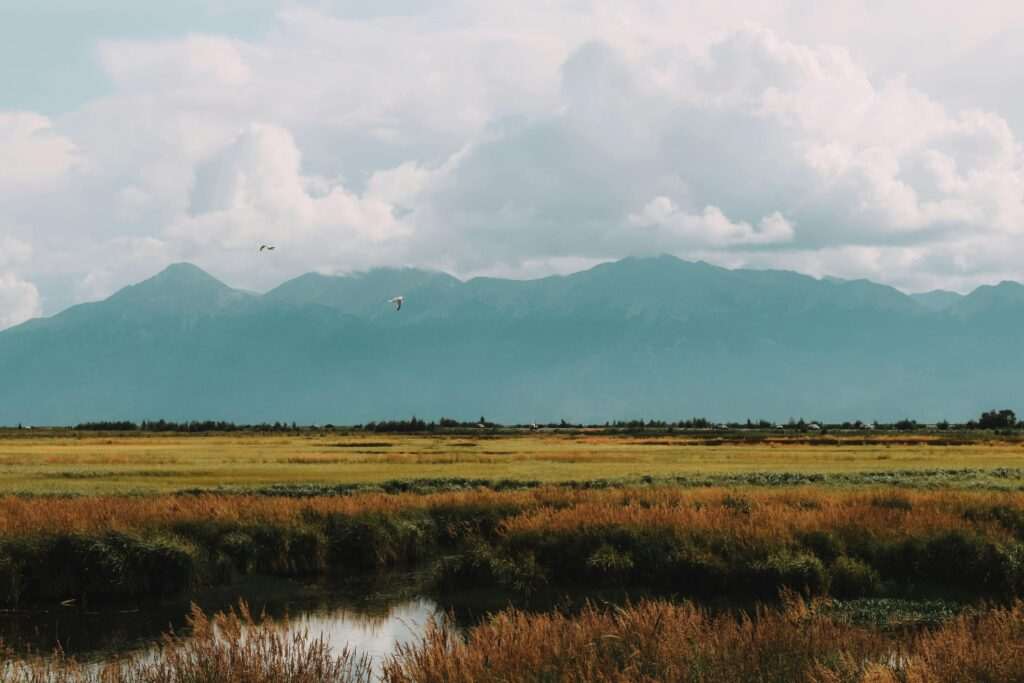
Featured photo by Hannah Villanueva on Pexels.



No comments yet.