
Kayaking Near Anchorage: Best Paddling Spots & Guided Tours 2026
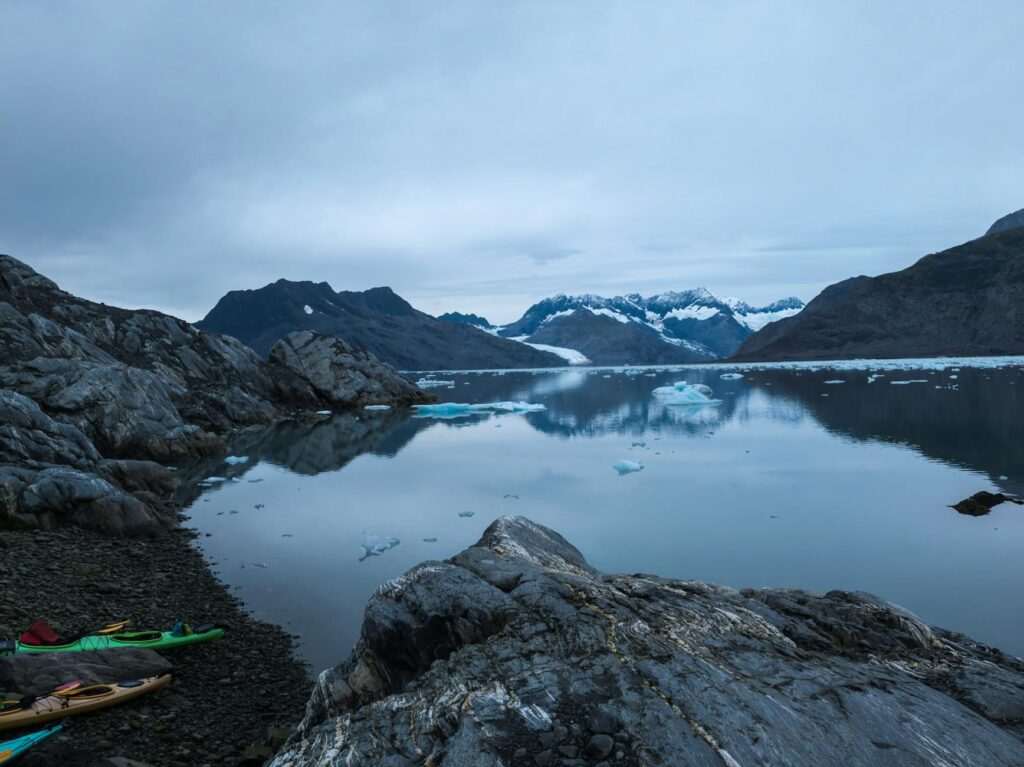
Anchorage sits at the edge of some of the most dramatic paddling terrain in North America. Within a two-hour drive, you can glide across a glacially fed lake with peaks towering above you, paddle past calving glaciers at Portage, or launch into Prince William Sound for a full-day sea kayaking expedition. The range of options — from beginner flatwater to open-ocean guided tours — makes kayaking one of the most rewarding ways to experience Southcentral Alaska.
Here’s what you need to know to get on the water near Anchorage in 2026.
Eklutna Lake: Flatwater for Beginners and Families
Located 26 miles northeast of Anchorage in Chugach State Park, Eklutna Lake is the most accessible flatwater paddling destination in the area. The lake is calm, glacially blue, and flanked by mountains that reflect off the surface on clear mornings. It’s where a lot of Anchorage residents learn to paddle.
Eklutna is a self-guided destination — you’ll need to rent or bring your own watercraft. Rentals have historically been available at the day-use area, including kayaks and canoes. Call ahead to confirm availability before you go, as the season and staffing levels vary. The lake is 7 miles long, which gives experienced paddlers room to explore, but the first few miles from the launch are enough for a satisfying half-day without committing to the full length.
Best for: beginner paddlers, families, calm-water exploration. Best months: June through August.
Portage Lake: Kayaking Alongside Glaciers
Drive an hour south from Anchorage on the Seward Highway and you reach Portage Valley, where Portage Lake sits directly beneath the face of Portage Glacier. This is one of the few places in Alaska where you can kayak among glacier ice without a multi-day backcountry trip.
Icebergs calve from the glacier into the lake, and paddling through them — carefully — is a genuinely surreal experience. The water is cold enough to be serious: wear a wetsuit or dry suit and don’t underestimate how quickly conditions can change. Most visitors do this as a guided tour, which is the right call for anyone without glacial water experience.
Guided tours launch from the Portage Valley area and typically run two to four hours. The combination of the glacier face, the icebergs, and the Chugach peaks rising above the valley makes this one of the most photographically rewarding paddles in the state. Guided options through outfitters like Adventures by True North can pair Portage with other valley activities for a full day out.
Best for: intermediate paddlers or beginners with a guide. Best months: late June through August.
Prince William Sound: Sea Kayaking from Whittier
For the full Southcentral Alaska kayaking experience, you want Prince William Sound. The Sound is an hour from Anchorage by road through the Anton Anderson Memorial Tunnel — a one-lane tunnel that also carries the Alaska Railroad — and the transition from highway to fjord is immediate and dramatic.
Whittier is the launch point for Prince William Sound sea kayaking. The Sound is a world-class paddling destination: tidewater glaciers, sea otters, harbor seals, porpoises, and the kind of mountain-and-water scenery that belongs on every Alaska bucket list. Day trips cover Passage Canal and the outer western edge of the Sound, with options for longer expeditions into the backcountry.
The Prince William Sound Kayak Center in Whittier is the established local outfitter, offering guided day trips and multi-day expeditions as well as kayak rentals for experienced paddlers who want to self-guide. Day tours typically run six to eight hours and include instruction, gear, and usually a water taxi to more remote launch points away from the Whittier small boat harbor.
Anchorage Kayak Adventures offers guided trips into Prince William Sound with transportation from Anchorage included, which eliminates the logistics of the tunnel and parking in Whittier. Worth considering if you’d rather have everything arranged in one booking.
Best for: intermediate to advanced paddlers. First-timers are welcome on guided tours. Best months: June through August, with July and August offering the most reliable weather windows.
Downtown Rentals and Urban Paddling
If you don’t want to drive, Anchorage has options closer in. Knik Arm — the tidal inlet bordering the city’s western edge — is accessible in spots, though currents and extreme tidal swings require experience and local knowledge. Several outfitters offer summer rental and guided options around Ship Creek and the coastal trail waterfront for visitors who want to paddle without leaving the city.
Get Up and Go Tours offers guided paddle options including urban kayaking experiences that work well as an introduction for visitors who haven’t been in a kayak before. These are typically half-day trips with no prior experience required.
Guided vs. Self-Guided
The right choice depends on your experience level and where you’re going. Eklutna Lake is appropriate for self-guided paddling if you’ve been in a kayak before — it’s calm water with no currents and an easy beach launch. Portage Lake and Prince William Sound are different environments entirely. Cold water, tidal influences, weather that can shift quickly, and the logistics of navigating around ice all make guides a sound investment for anyone without specific glacial or sea kayaking experience.
Guide costs for full-day Prince William Sound tours typically run $150–200 per person. Eklutna Lake rentals are considerably less, usually $30–60 for a half-day. Check current pricing directly with operators, as rates vary by season and group size.
What to Bring
- Layered clothing. Even in July, water temperatures near glaciers are cold. Fleece mid-layers under a paddling jacket are standard.
- Rain gear. Southcentral Alaska weather is unpredictable. Pack a lightweight shell regardless of the forecast.
- Sunscreen and sunglasses. Reflection off the water at high latitudes catches visitors off-guard.
- Water and snacks. Guided tours usually provide water, but extra fuel for a six-hour day on the water is never wrong.
- A dry bag. For your phone, camera, and anything else you’d rather not lose to a wet cockpit.
Combining Kayaking with Other Activities
Portage Valley isn’t just for paddling — the Begich, Boggs Visitor Center, wildlife boat tours into the Sound, and the Portage Pass trail all share the same corridor. A full day in the valley can include kayaking in the morning and a glacier cruise in the afternoon. Eklutna Lake pairs well with the Chugach State Park Trail Systems — the Twin Peaks Trail at the east end of the lake is one of the better hikes in the area and shares the same trailhead parking area.
The window for ideal kayaking near Anchorage runs June through August. July is the sweet spot: water temperatures are as warm as they get (still cold by any mainland standard), weather is most cooperative, and the days are so long that you have flexibility on timing without worrying about losing the light. June offers fewer crowds but more variable ice conditions at Portage and earlier-season uncertainty in the Sound. August remains excellent through the end of the month.
Frequently Asked Questions
Do I need kayaking experience to paddle near Anchorage?
Not necessarily. Eklutna Lake is beginner-friendly and calm enough for first-timers with a basic orientation. For Portage Lake and Prince William Sound, going with a guide is strongly recommended if you don’t have cold-water or open-water experience — the conditions are more demanding and the water temperatures are unforgiving.
What’s the best kayaking spot near Anchorage for families?
Eklutna Lake is the top pick for families. It’s calm, accessible, and scenic without requiring any technical paddling. Kids who are comfortable in a boat do well here. Portage Lake guided tours can work for older kids who can follow safety instructions and handle a paddle for a few hours.
When is the best time to kayak near Anchorage?
June through August, with July being the most reliable. July offers the longest days, the best weather odds, and peak guide availability. Early June can have variable ice at Portage Lake. By late August, conditions remain good but the summer visitor season is winding down.
The range of kayaking options near Anchorage is unusual — most cities don’t put you an hour from both glacier lakes and open-ocean fjords. Whether you’re a first-timer looking for a calm lake morning or an experienced paddler ready for Prince William Sound, the water access here is something you won’t find in many places.
Featured photo by Yuanpang Wa on Pexels.


No comments yet.