
Midnight Sun in Anchorage: What to Do During Alaska’s Summer 2026
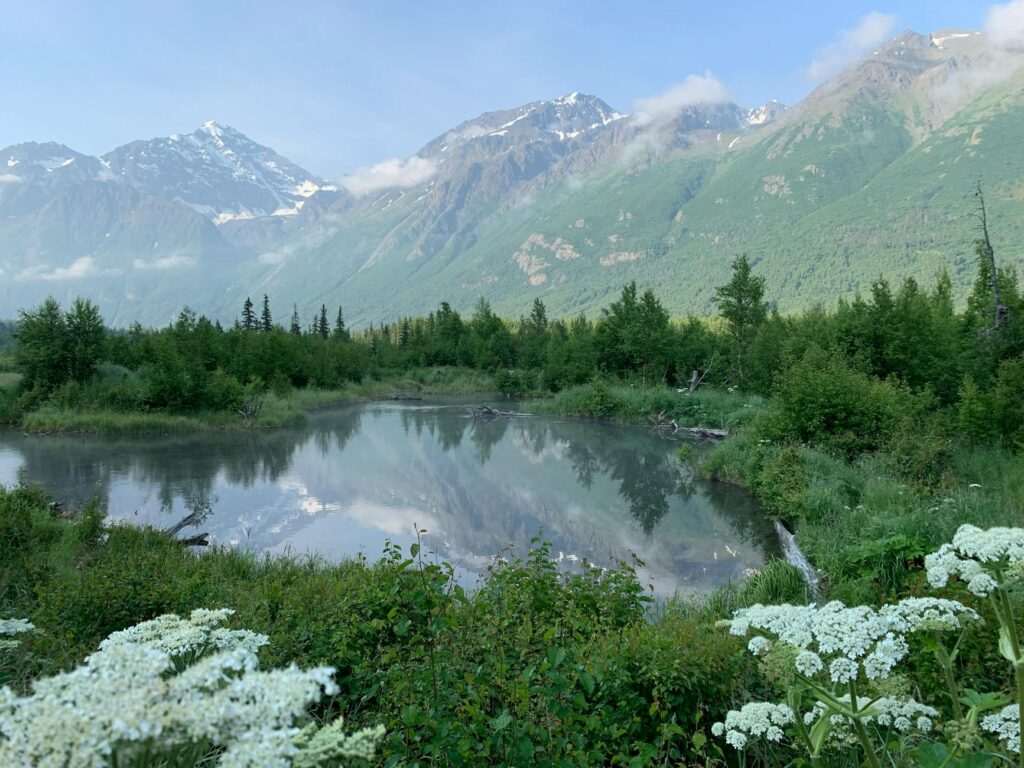
There’s nothing quite like stepping outside at 11 p.m. on a June evening in Anchorage and finding the sky still blazing gold. The midnight sun is one of Alaska’s most disorienting — and extraordinary — natural phenomena, and if you’re visiting in summer 2026, you’ll want to plan around it. Here’s what you need to know, and what you can actually do with all that extra daylight.
What Is the Midnight Sun?
Anchorage sits at roughly 61°N latitude. In the weeks around the summer solstice (June 21), the sun barely dips below the horizon — it doesn’t set in any meaningful sense. At peak, you’ll have about 19.5 hours of official daylight, and even the “night” hours feel like a warm, hazy late afternoon. Civil twilight persists nearly all night long. If you’re expecting darkness, it won’t come — not until August, when the nights gradually start to lengthen again.
When Does It Peak?
Midnight sun season in Anchorage runs roughly from late May through late July. You’ll notice it strongly from around June 1, with peak brightness centered on June 21. By mid-July, the nights are returning — you’ll get an hour or two of real twilight — but daylight still stretches past 18 hours. If you’re specifically chasing the solstice experience, plan to arrive between June 15 and June 25.
Late-Night Hiking While the Sun Is Still Up
Extra daylight means you can summit a mountain at 9 p.m. and descend in golden-hour light that never quite fades. That’s not a metaphor — it’s a normal Tuesday in June in Anchorage.
Flattop Mountain Trail is the most popular option: 3 miles round trip, 1,350 feet of gain from Glen Alps Trailhead, and a summit view stretching across the entire Anchorage bowl and Cook Inlet. On a clear solstice evening, the light from the near-setting sun turns the city amber and the inlet silver. Arrive around 7 p.m. when the afternoon parking rush has cleared and you’ll have the trail nearly to yourself for a spectacular evening push.
For something flatter and more meditative, the Kincaid Park Trail System on the western edge of Anchorage offers 40+ miles of interconnected forest and tundra trails. Moose are regularly spotted here in the evening hours, and the park’s westward position near Cook Inlet means you’ll catch long, lingering sunset light even deep into the night. It’s where locals go when they want space — and it’s genuinely quieter than the alpine hikes.
Photography Spots Worth the Detour
The midnight sun creates unusual photographic conditions: intense warm light at hours when you’d normally expect darkness. Two spots stand out for photographers and casual explorers alike.
Potter Marsh Bird Sanctuary, just south of the city along the Seward Highway, catches the low evening sun beautifully across its wetland. The boardwalk puts you eye-level with nesting Arctic terns, red-necked grebes, and trumpeter swans. On still evenings, the reflections are perfect. Arrive after 8 p.m. in June and you’ll likely have the boardwalk largely to yourself — a rarity at this popular spot.
Earthquake Park Trail faces west across Knik Arm toward the Alaska Range, making it one of the city’s best spots for late-evening panoramic shots. The park memorializes the 1964 Good Friday Earthquake, and on clear evenings Denali’s white silhouette is faintly visible on the northern horizon. It’s a quietly dramatic backdrop that most visitors overlook.
Kayaking and Fishing in the Long Evenings
With daylight until 11:30 p.m., there’s no reason evening water activities should feel rushed. Many visitors find that 6–9 p.m. is the sweet spot — the day crowds have cleared, the wind typically drops, and the light is spectacular on the water.
Anchorage Kayak Adventures runs guided paddling tours that take full advantage of calm evening conditions. Paddling across glassy water with the Chugach Mountains lit up gold behind you is the kind of memory that sticks long after you’re home. Book ahead for June weekends — evening slots fill fast once visitors figure out the light.
Fishing is equally rewarding in the long evenings. Alaska Fishing Adventures offers guided trips targeting king and silver salmon in the Cook Inlet area, and many guides actually prefer evening departures for calmer water and more active fish. You’ll be fishing in full daylight well past what would be sunset anywhere else in the country.
Midnight Sun Festival and Solstice Events
Anchorage goes all-out for the solstice. The Anchorage Midnight Sun Festival 2026 brings live music, local food vendors, and street festivities to downtown on the weekend closest to June 21. The Summer Solstice Run — a beloved Anchorage tradition — sends thousands of runners out at midnight in full daylight, wearing everything from race gear to elaborate costumes. It’s joyful and slightly surreal, and it captures exactly what an Anchorage summer feels like.
Practical Tips for Making the Most of the Midnight Sun
- Pack a sleep mask. Hotel rooms often have thin curtains that won’t block the midnight light. Without a sleep mask, you won’t sleep — the room at 2 a.m. looks like 4 p.m.
- Give yourself an adjustment day. The combination of time zone shift and perpetual light hits harder than either alone. Build in a buffer day at the start of your trip.
- Set a hard bedtime alarm. It’s genuinely easy to lose track of time when it never gets dark. You’ll look up and realize you’ve been wandering the waterfront for four hours and it’s 1 a.m.
- Sunscreen, even late. The low-angle evening sun is still active. Reapply when you head out for that 9 p.m. hike.
- Embrace it rather than fight it. The people who love Alaska summers most are the ones who lean into the disorientation — hike late, eat late, explore late. You can sleep when you’re home.
When does the midnight sun happen in Anchorage?
Anchorage’s midnight sun season runs from roughly late May through late July. The peak is around the summer solstice on June 21, when you’ll see about 19.5 hours of official daylight and nearly no real darkness at any hour.
Does the sun actually not set in Anchorage?
It technically does set — briefly — but the twilight during solstice season is so bright it doesn’t feel like night. Civil twilight persists nearly all night, so the sky stays light the entire time. True darkness doesn’t return to Anchorage until late August.
What should I bring for midnight sun season?
A quality sleep mask is essential — hotel curtains often won’t block the light. You’ll also want sunscreen (the low-angle evening sun is still active), warm layers for cooler late-night temperatures, and a willingness to lose track of time entirely.
Featured photo by Sara Loeffler on Pexels.


No comments yet.