
Flattop Mountain Trail 2026: Anchorage’s Most Popular Hike
Why Flattop Is Every Anchorage Visitor’s First Hike
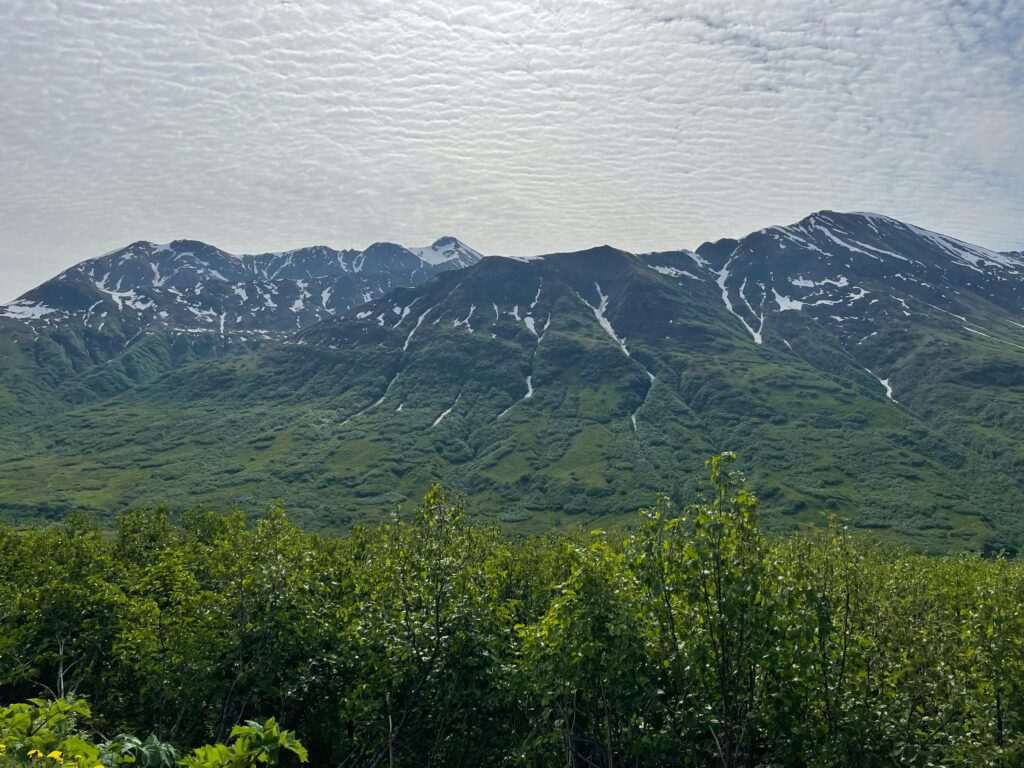
Flattop Mountain earns its title as the most-climbed peak in Alaska for good reason. At just under 3,510 feet, it’s at the edge of Chugach State Park roughly 20 minutes from downtown Anchorage — close enough for a spontaneous afternoon outing, rewarding enough to pull repeat visitors back season after season. On a clear day the summit delivers a full 360-degree panorama spanning the Anchorage bowl, Cook Inlet, the Alaska Range, and, if conditions cooperate, a distant silhouette of Denali more than 130 miles north. Here’s everything you need for a safe, enjoyable 2026 Flattop hike.
Trailhead Access & Parking
The standard route begins at the Glen Alps Trailhead in Upper Hillside, accessible via Upper Huffman Road and Toilsome Hill Drive. From downtown Anchorage, allow 20–25 minutes by car. The trailhead sits at approximately 2,160 feet elevation, meaning you start well above the city and reach the summit with about 1,350 feet of gain over roughly 1.5 miles each way.
Parking fee: Chugach State Park charges a day-use fee — $5 for Alaska residents, $10 for non-residents (2026 rates; confirm at the trailhead kiosk). Both cash and card are accepted. It’ll fill completely by 9 a.m. on summer weekends. Overflow parking is available a short walk down the road, but even that fills by 10 a.m. on peak July and August days. If you’re visiting on a weekend, plan to arrive by 8:30 a.m. or later than 4 p.m.
Trail Distance, Elevation & Difficulty
- Distance: ~3 miles round trip
- Elevation gain: ~1,350 feet
- Summit elevation: 3,510 feet
- Typical time: 2–3 hours round trip at a moderate pace
- Difficulty: Moderate to strenuous
The lower third of the trail is a well-groomed gravel path manageable for most fitness levels. The middle section transitions to rocky terrain with some loose scree, and the final push to the summit involves a hands-and-feet scramble over boulders. This upper scramble is where many casual hikers — particularly those with young children — choose to turn around, and that’s a perfectly fine decision. The views from just below the summit ridge are nearly as impressive as from the top.
Conditions by Season
Summer (June–August)
Peak season and the most accessible window. Trails are dry, wildflowers blanket the lower slopes in late June and July, and daylight extends well past 9 p.m. It’s one of the busiest trails in Alaska — go early or on a weekday if solitude matters to you.
Fall (September–October)
One of the best times to hike Flattop. The birch and willow turn golden, crowds thin dramatically after Labor Day, and the cooler temperatures make the uphill push more comfortable. Early-season snow can dust the summit by mid-September, so bring traction devices if conditions look wintry.
Winter (November–April)
Flattop’s hikeable in winter but demands proper gear: microspikes or crampons, trekking poles, and wind-resistant layers. The upper scramble becomes an icy Class 3 scramble in freeze-thaw conditions. Experienced winter hikers find this season spectacularly quiet and the views — with snow-covered peaks — extraordinary. Check recent conditions on the Alaska Mountaineering Club’s online forums before heading out.
Spring (May)
The lower trail dries out by mid-May, but the upper rocky section holds ice pockets well into the month. Microspikes are recommended until early June.
What to Expect at the Summit
Flattop’s summit is a broad, relatively flat plateau (hence the name) about the size of two tennis courts. On clear days the view’s staggering: the entire Anchorage bowl laid out below, Cook Inlet shimmering to the west, Sleeping Lady (Mount Susitna) across the water, and the white bulk of the Alaska Range stretching north. You’ll want a wide-angle lens if you’re shooting — the scene demands it.
Be prepared for wind. The summit’s fully exposed, and even on calm days in the city, the ridge can be blustery with 20–30 mph gusts. Temperatures at the top typically run 10–15°F cooler than Anchorage. A fleece and wind shell are non-negotiable even on warm summer days.
Wildlife to Watch For
- Dall sheep: Frequently spotted on the rocky upper slopes and neighboring ridges — watch for bright white shapes moving on near-vertical terrain.
- Arctic ground squirrels (parky squirrels): Abundant and surprisingly bold on the lower trail. Don’t feed them.
- Ptarmigan: Present year-round in the alpine zone; camouflaged white in winter and mottled brown in summer.
- Golden eagles: Often seen riding thermals above the ridgeline, particularly in afternoon hours.
- Moose: More common in the forested areas below the trailhead than on the open slopes above it.
The Family-Friendly Lower Trail Option
Not everyone needs to summit to have a great day. The first 0.75 miles of the Flattop trail — up to where the main path splits and the terrain starts to get rocky — is an excellent option for families with young children or visitors who want a rewarding walk without the scramble. It offers open alpine meadows, excellent mountain views, and the same wildlife-spotting opportunities as the upper trail. Many families set up picnic spots on the lower slopes while a faster adult hikes to the summit and back.
For a longer family outing in the same area, the Blueberry Loop near the Glen Alps trailhead is a flat, 1.3-mile loop through open tundra — ideal for small children and wheelchair-accessible in dry conditions.
What to Bring
- Sturdy hiking boots with ankle support (trail runners work for summer conditions; boots preferred)
- Wind shell and warm mid-layer even in summer
- At least 1 liter of water per person (no water sources on the trail)
- Snacks — the elevation gain burns more than you’d expect
- Trekking poles (helpful on the upper scramble descent)
- Microspikes from mid-September through late May
- Sunscreen and sunglasses — UV is intense at altitude under Alaska’s long-day sun
- Bear spray (black bears are present in Chugach, though rare above treeline)
Tips for Summer Weekends
July and August weekends see the trailhead overwhelmed by midday. A few tactics that make a real difference: arrive before 8:30 a.m. to guarantee a parking spot, or come after 5 p.m. when families with young children have cleared out. The trail itself is safest in the early morning when rocks are dry and winds are typically calmer. If you’re parking on the overflow roadside, watch for no-parking signage — rangers will issue tickets.
Flattop pairs naturally with other Chugach State Park experiences. If you’re looking to extend your day with a guided outdoor adventure, Chugach Adventures runs tours in the area that complement a morning hike well. After your hike, head back into town to explore the Alaska Native Heritage Center for cultural context on the land you just walked. Visiting in summer? The Cook Inlet beluga whale viewing area off the coastal trail is an easy afternoon add-on from downtown.
How hard is Flattop Mountain hike?
Flattop is rated moderate to strenuous. The lower gravel path is manageable for most fitness levels, but the final push to the summit involves a boulder scramble that requires hands-and-feet climbing. Many hikers turn around below the scramble — the views are nearly as good. Plan for 2–3 hours round trip at a comfortable pace.
Do I need a permit to hike Flattop Mountain?
No permit is needed, but Chugach State Park charges a day-use parking fee: $5 for Alaska residents, $10 for non-residents in 2026. Pay at the kiosk at the Glen Alps Trailhead. The trail itself is free to access once you’re parked.
When’s the best time to hike Flattop Mountain?
June through September offers the best conditions. June and July give you wildflowers and the longest daylight. September’s golden foliage and thinning crowds make it arguably the most enjoyable month. Avoid weekends between 9 a.m. and 5 p.m. in July and August if you want a parking spot.
Are dogs allowed on Flattop Mountain Trail?
Yes, dogs are allowed on the Flattop Mountain Trail and throughout Chugach State Park, but they must be on leash at all times. The rocky upper sections can be tough on paws, and moose are present in the forested areas near the trailhead — a leashed dog is significantly safer around moose than one running loose.
Flattop’s the kind of hike that defines what it means to visit Anchorage. You don’t need special gear, a guide, or a full day — just a morning, solid shoes, and a willingness to climb. The summit’s waiting.
Featured photo by Emma Buchman on Pexels.
Comments
Add a comment
Flattop Mountain Trail Anchorage: 2026 Hiking Guide
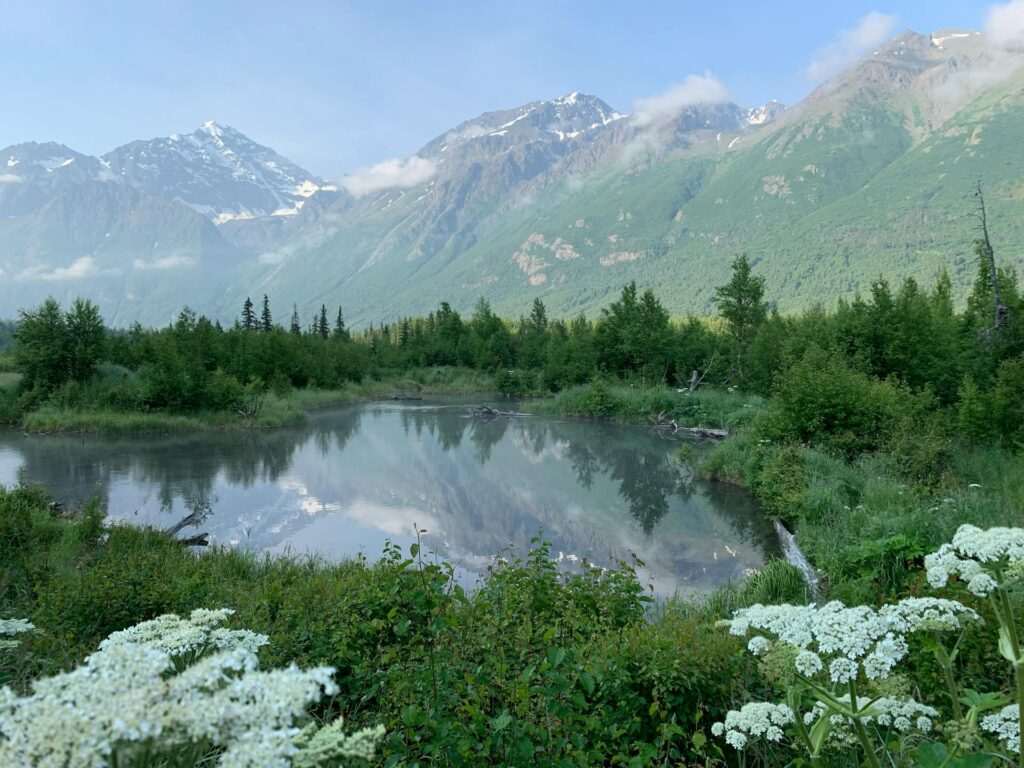
Flattop Mountain is the most-climbed peak in Alaska — and it earns that title honestly. At 3,510 feet, it sits right at Anchorage’s back door, offering summit views that stretch from Cook Inlet to the Alaska Range. On a clear day you can see Denali, 130 miles to the north. The Flattop Mountain Trail Anchorage hikers come to again and again is just 3.4 miles round trip with 1,350 feet of elevation gain, making it both achievable for first-timers and compelling enough to draw veterans back season after season.
Getting to the Trailhead
The trail starts at the Glen Alps parking area in Chugach State Park, about 30 minutes from downtown Anchorage. From the New Seward Highway, take the O’Malley Road exit east, then turn right on Hillside Drive, right on Upper Huffman Road, and left on Toilsome Hill Drive. Follow the signs to Glen Alps — the road winds up through a residential neighborhood before opening into the park. A parking fee applies: $5 per day or an annual Alaska State Parks pass ($60). Arrive early on summer weekends; the lot fills quickly by mid-morning.
Trail Breakdown
The hike divides into two clear phases.
Lower section (trailhead to Flattop junction): The first mile and a half follows a wide, well-maintained trail through tundra and low brush. The terrain opens up quickly above the parking area, giving you expansive views of the city and inlet almost immediately. This stretch is gentle and appropriate for all ages — families with young children often turn around here and still get a spectacular outing.
Upper section (junction to summit): At the Flattop junction, the character of the trail changes. The final half-mile climbs steeply up a rocky, loose-gravel slope. Cairns mark the route but the path isn’t obvious in places. Hands come out for balance near the top — this is a scramble, not a technical climb, but it demands care. The broad, flat summit (hence the name) arrives suddenly, and the panorama is immediate: the entire Anchorage bowl, Turnagain Arm, the Alaska Range, and, on clear days, Denali.
Total round trip: 3.4 miles. Most hikers allow 2 to 4 hours depending on pace and time spent on top.
Difficulty
Flattop is rated moderate overall, but the final scramble earns that rating. The lower trail is easy; the upper section is steep and rocky enough that sure footing and stable footwear matter. Hiking boots or trail runners with good grip are strongly recommended — the loose gravel on the descent is where most slips happen. Trekking poles help on both ascent and descent. The upper route isn’t suitable for dogs on leash, and small children should stay below the scramble zone unless they’re confident and supervised closely the whole way.
Family Hiking Tips
Flattop is genuinely family-friendly with a few caveats. Children aged 8–10 and older who are comfortable on rocky terrain can reach the summit with adult supervision and patience. For younger kids, the lower tundra section is still a great adventure — the views open up within the first 15 minutes, and the broad landscape makes for easy exploration without the summit scramble. Toddlers and dogs on leash are regulars on the lower trail. Whatever age group you’re hiking with, turn around if the weather changes or anyone becomes uncomfortable on the upper rocks.
What to Bring
- Layers: The summit runs 15–20°F colder than the parking lot, and wind can be fierce even on sunny days. A fleece and wind shell are essential year-round.
- Water: Bring at least 1–2 liters per person. There’s no water on the trail.
- Sturdy footwear: Hiking boots or grippy trail runners. Avoid sandals or casual sneakers on the upper section.
- Sun protection: Above treeline the UV exposure is intense. Sunscreen, sunglasses, and a hat matter even on partly cloudy days.
- Snacks: The summit is a great lunch spot. Pack something worth eating when you get there.
- Bear spray: Standard kit for any Chugach hike. If you don’t own any, Alaska Outdoor Gear Rental in Anchorage rents bear spray and hiking gear before you head out.
Seasonal Notes
Flattop is typically accessible from late May or early June through October. Snow lingers above treeline well into May and sometimes into early June — microspikes are recommended for early-season attempts when the upper slope holds ice. Mid-July through August is peak season: wildflowers on the lower tundra, long daylight hours, and the best odds of a cloud-free summit. Fall color peaks in late August and September, turning the tundra rust and gold, and crowds thin out considerably after Labor Day. October brings early snow and shorter daylight; check conditions before going. The trail isn’t maintained for winter use, though experienced hikers with proper gear do climb it year-round.
Wildlife
Chugach State Park is active bear country. Black bears are common in the area; brown (grizzly) bears are occasionally sighted. Make noise on the trail, carry bear spray, and know how to use it. Dall sheep are often visible on the upper ridgeline to the north of Flattop — stay well back and never approach. Ptarmigan, Alaska’s state bird, nest in the tundra and are frequently spotted near the trail, especially in late summer when they’re transitioning from brown summer plumage to white winter coats.
Combining with Other Anchorage Activities
Flattop makes a natural half-day outing that pairs well with other Anchorage stops. The Eagle River Nature Center, about 30 minutes north, offers a completely different trail experience — lower-elevation forest and river hiking with excellent wildlife viewing and salmon watching in late summer. If your group includes non-hikers or you want a wildlife component beyond what the trail offers, the Alaska Wildlife Conservation Center on the Seward Highway is worth the detour on your way back to the city. Anchorage’s proximity to multiple distinct ecosystems — alpine tundra, boreal forest, coastal wetlands — means you can pack genuinely varied experiences into a single full day without driving very far.
Featured photo by Sara Loeffler on Pexels.

Comments
No comments yet.

No comments yet.