
Anchorage Weather & Packing Guide: What to Bring to Alaska 2026
Understanding Anchorage’s Unique Climate
Packing for Alaska requires understanding the state’s famously unpredictable weather patterns, which can shift dramatically within hours. Anchorage sits in a transitional climate zone where maritime and continental weather systems collide, creating conditions that can challenge even experienced travelers. You’ll need versatile clothing that handles everything from unexpected snow flurries in July to surprisingly mild winter afternoons.
Alaska’s weather isn’t just about cold temperatures—it’s about rapid changes, persistent wind, and varying precipitation that demands thoughtful packing strategies. Whether you’re planning a casual sightseeing trip or preparing for serious outdoor adventures, understanding what to expect throughout the year helps you pack smarter and enjoy Alaska more comfortably.
Month-by-Month Weather Guide
Winter Months (December-February)
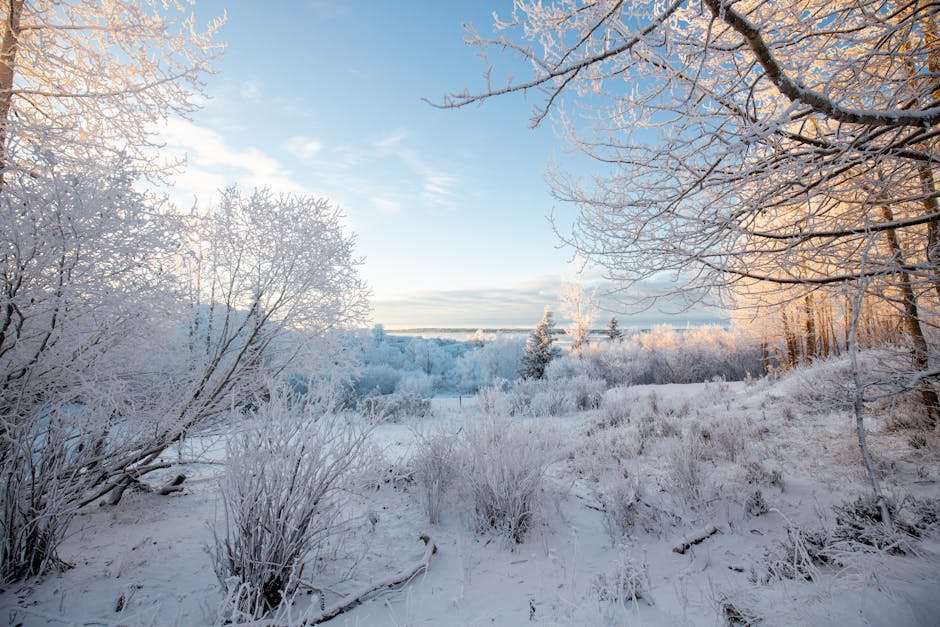
Anchorage winters feature temperatures typically ranging from 5°F to 25°F, with occasional dips below zero and surprise warm-ups into the 40s. Snow cover is reliable, but freezing rain isn’t uncommon. You’ll need insulated, waterproof boots with good traction, as icy conditions persist for months. Wind chill significantly affects comfort levels, making quality outer layers essential even for short walks between buildings.
Daylight becomes precious during these months, with only 5-6 hours of sunlight in December. Pack warm accessories for aurora viewing, including insulated gloves that allow camera operation and layers that let you stay comfortable outdoors for extended periods.
Spring Transition (March-May)
Spring in Anchorage means dramatic temperature swings and “breakup”—the messy period when winter snow melts and refreezes repeatedly. Temperatures range from 20°F to 55°F, often changing 30 degrees in a single day. Waterproof footwear becomes critical as streets turn slushy and muddy. This season requires the most versatile packing, as you might need winter gear in the morning and light layers by afternoon.
Late April and May offer increasing daylight and the first opportunities for hiking, though many trails remain snow-covered until June. Pack layers you can easily add and remove as conditions change throughout the day.
Summer Season (June-August)
Summer brings Anchorage’s most comfortable weather, with temperatures typically between 55°F and 70°F. However, summer also means persistent daylight—up to 19 hours in June—which affects sleep patterns and creates unique packing considerations. Rain gear remains essential, as summer showers arrive with little warning and can last for days.
Mosquitoes and other insects peak during summer months, making insect repellent and protective clothing necessary for outdoor activities. Pack lightweight, long-sleeved shirts and pants for bug protection during activities like hiking the Kincaid Park Trail System or exploring outdoor recreation areas.
Fall Colors and Preparation (September-November)
Fall brings beautiful foliage and crisp air, with temperatures dropping from 60°F in early September to near freezing by November. This season offers some of Alaska’s most stable weather, but winter preparations begin early. First snow typically arrives in October, and by November, winter conditions are establishing.
Fall is excellent for outdoor activities before winter sets in, but requires warm layers as temperatures can drop quickly after sunset. Pack clothing suitable for both pleasant autumn days and sudden cold snaps.
Essential Layering System
Alaska’s weather demands a reliable layering system that adapts to changing conditions throughout the day. Your base layer should wick moisture away from your skin—merino wool or synthetic materials work best. Avoid cotton base layers entirely, as cotton loses insulating properties when wet and takes forever to dry in Alaska’s humid conditions.
Your insulating layer provides warmth when temperatures drop. Fleece, wool, or synthetic insulation work well and continue insulating even when damp. Down insulation offers excellent warmth-to-weight ratio for dry conditions but loses effectiveness when wet, making it less suitable for Alaska’s unpredictable weather.
The outer shell layer protects against wind and precipitation while allowing moisture to escape. Look for waterproof, breathable fabrics that handle Alaska’s persistent drizzle and sudden downpours. A good shell jacket with adjustable ventilation helps regulate temperature during active pursuits.
Activity-Specific Gear Recommendations
Casual Visitors and Sightseeing
If you’re planning mostly indoor activities with outdoor sightseeing, focus on comfort and versatility rather than technical performance. Comfortable walking shoes with good grip handle most downtown Anchorage exploration, while a warm jacket and waterproof outer layer cover most weather situations.
Pack layers you can adjust as you move between heated buildings and outdoor attractions. A warm hat, gloves, and scarf provide comfort during outdoor photography and sightseeing, even in summer when evening temperatures can drop unexpectedly.
Active Outdoor Adventures
Serious outdoor activities require technical gear that performs in challenging conditions. Waterproof hiking boots become essential for trail exploration, while moisture-wicking base layers and insulating mid-layers provide comfort during extended outdoor exposure.
Activities like winter sports at Kincaid Park Winter Sports Center demand specialized gear including proper gloves, insulated pants, and layers that breathe during intense activity while providing warmth during rest periods.
Local Gear Shopping and Rental Options
Anchorage offers excellent outdoor gear shopping for last-minute needs or items you’d rather not pack. REI Anchorage provides comprehensive outdoor gear selection and expert advice for Alaska-specific conditions. Their staff understands local weather patterns and can recommend gear that performs well in Alaska’s unique climate.
For visitors who don’t want to invest in expensive gear for a single trip, many local outfitters offer rental options for specialized items like insulated boots, technical jackets, and cold-weather accessories. Rental gear often provides higher quality than budget purchases and eliminates packing bulk.
Local gear shops also carry Alaska-specific items like ice grippers (removable traction devices for shoes) and mosquito head nets that you might not find elsewhere but prove invaluable for Alaska travel.
Smart Packing Strategies
Pack versatile pieces that work in multiple situations rather than bringing single-purpose items. A fleece jacket that works as both a warm mid-layer and a light outer layer in mild weather saves space and weight. Choose colors that hide dirt and stains, as Alaska’s outdoor activities can be messy.
Rolling clothes instead of folding maximizes luggage space, while compression sacks help manage bulky items like jackets and sleeping gear. Pack essential medications and critical gear in your carry-on, as weather delays aren’t uncommon in Alaska travel.
Bring extra socks and underwear—more than you think you’ll need. Alaska’s wet conditions mean these items take longer to dry, and having backup comfort items makes trip disruptions more manageable.
Footwear for Alaska Conditions
Footwear makes or breaks Alaska travel comfort. Waterproof hiking boots with good ankle support handle most situations, from downtown walking to light trail exploration. Insulated boots become necessary for winter travel or extended cold-weather exposure.
Traction devices like Yaktrax or microspikes provide confidence on icy surfaces and cost far less than emergency medical treatment for slip-and-fall injuries. Many locals use these devices routinely during winter months, and visitors benefit from the same precautions.
Pack comfortable indoor shoes or slippers for hotel relaxation, as wet outdoor footwear needs drying time. Having dry, comfortable footwear for evenings improves overall trip satisfaction.
Emergency Preparedness and Safety Considerations
Alaska’s weather can create serious safety situations, especially for unprepared visitors. Always pack more warm clothing than weather forecasts suggest you’ll need, as conditions can deteriorate rapidly. Emergency situations become dangerous when you’re insufficiently dressed for sudden weather changes.
Carry emergency items like high-energy snacks, water, a flashlight, and basic first aid supplies when exploring outdoors. Even short hikes can become challenging if weather conditions change or if you become lost or injured.
Weather information becomes critical for outdoor safety. Download weather apps and check conditions before heading out, but also understand that Alaska weather can change faster than forecasts predict. Plan conservatively and be prepared to alter plans based on developing conditions.
Seasonal Specialty Items
Summer visitors need sleep masks or blackout curtains for hotel rooms, as Alaska’s midnight sun makes normal sleep challenging. Sunglasses become essential year-round due to snow reflection in winter and extended daylight in summer.
Winter travelers should pack hand and foot warmers for emergency situations and extended outdoor exposure. These small items provide crucial backup warmth and weigh almost nothing in your luggage.
Camera equipment requires special consideration in Alaska’s conditions. Cold weather drains batteries quickly, so pack extras and keep them warm. Protect cameras from moisture when moving between cold outdoor air and warm indoor environments.
Budget-Friendly vs. Premium Gear Strategies
You don’t need the most expensive gear to travel Alaska comfortably, but certain items justify investment. Waterproof outer layers and quality footwear make the biggest difference in comfort and safety. Budget options work fine for items like base layers and casual clothing.
Focus your gear budget on items that keep you warm, dry, and safe. A quality rain jacket serves you better than expensive casual clothing, and good boots prevent injuries that could ruin your trip.
Consider borrowing or renting expensive items like heavy winter coats or specialized activity gear rather than purchasing items you might rarely use after your Alaska trip.
Making Alaska Weather Work for You
Understanding and preparing for Alaska’s challenging weather conditions transforms potential discomfort into manageable adventure. Proper clothing and gear let you enjoy outdoor activities regardless of conditions, while inadequate preparation can limit your experience and create safety concerns.
Alaska’s weather demands respect, but it rewards prepared visitors with incredible experiences impossible in more predictable climates. From aurora viewing in crisp winter air to midnight sun hiking in summer, Alaska’s unique conditions create memories that last a lifetime when you’re properly equipped to enjoy them safely and comfortably.
Featured photo by Angelica Reyn on Pexels.

No comments yet.