
Anchorage Transportation Guide: Getting Around Alaska 2026
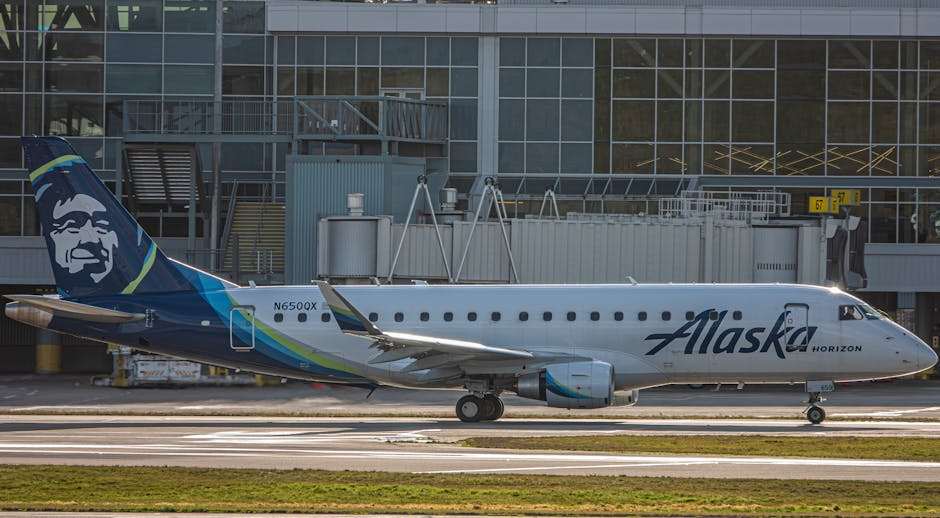
Getting around Anchorage doesn’t have to feel overwhelming, even if you’re visiting Alaska for the first time. The city’s transportation options range from straightforward airport shuttles to Alaska-specific experiences like flightseeing tours, and knowing your choices ahead of time makes the difference between smooth travel and scrambling for rides.
Most visitors start their Anchorage journey at Ted Stevens Anchorage International Airport, and from there, you’ve got several solid options for reaching downtown, your hotel, or wherever you’re staying. Here’s what works, what costs how much, and what you need to know about getting around Alaska’s largest city.
Airport Transfers: Your First Alaska Transportation Decision
The airport sits about 6 miles from downtown Anchorage, which isn’t far, but it’s far enough that you’ll want a plan. Shuttle Services of Alaska runs regular airport transfers that cost around $20-30 per person and drop off at major hotels. It’s reliable, runs on a schedule, and you can book ahead online.
If you prefer door-to-door service without sharing the ride, BAC Transportation LLC offers private transfers for about $60-80 to downtown hotels. That’s worth it if you’ve got heavy luggage, you’re traveling as a family, or you just want to start your Alaska trip without waiting for other passengers.
Taxis and rideshare services (Uber operates in Anchorage) are also options, with rides typically running $30-50 depending on your destination and time of day. The biggest advantage is flexibility – you leave when you’re ready, not when the shuttle schedule says you should.
Car Rentals: Freedom with Alaska Driving Considerations
Renting a car gives you the most independence for exploring Anchorage and taking day trips to places like Girdwood, Palmer, or Seward. Avis Rent A Car – Anchorage Airport is convenient if you want to pick up right when you land, though you’ll also find several rental companies both at the airport and around town.
Alaska driving comes with a few unique considerations. Winter conditions (roughly October through April) mean snow, ice, and shorter daylight hours. Even if you’re comfortable driving in snow at home, Alaska’s combination of steep hills, unpredictable weather, and wildlife on roads requires extra attention. Summer driving is more straightforward, but construction season runs from May through September, so expect delays on major routes.
Parking in downtown Anchorage is manageable – most hotels offer parking, and street parking is available though you’ll pay meters during business hours. For day trips, having a car becomes almost essential since public transit doesn’t extend to most of the scenic destinations visitors want to see.
Public Transit: Limited but Functional Within the City
Anchorage’s People Mover bus system covers the core city areas with routes that connect downtown, midtown, and some residential neighborhoods. A day pass costs around $5, which is reasonable if you’re planning multiple trips around the city. The system isn’t as extensive as what you’d find in larger cities, but it’ll get you between downtown, the airport area, and major shopping centers like the 5th Avenue Mall.
The reality is that most Alaska experiences – wildlife viewing, hiking trails, scenic drives – happen outside the public transit network. So while People Mover works for basic city transportation, you’ll likely need other options for the activities that brought you to Alaska in the first place.
Walking and Biking: Seasonal and Area-Dependent
Downtown Anchorage is walkable, especially during summer months when daylight stretches late into the evening. The downtown grid is compact, and you can easily walk between hotels, restaurants, shops, and attractions like the Anchorage Museum. Winter walking requires good traction devices on your shoes – sidewalks can be icy, and Alaska doesn’t always get the snow cleared as quickly as you might expect.
Biking works best from May through September, and Anchorage has some excellent bike trails, including the Tony Knowles Coastal Trail that runs 11 miles from downtown to Kincaid Park. Bike rentals are available downtown, though you’ll want to check weather conditions before committing to a day of cycling – Alaska weather can change quickly.
Seasonal Transportation Differences You Need to Know
Summer transportation in Anchorage feels straightforward – roads are clear, daylight lasts until 10 PM or later, and most services run full schedules. This is when rental cars make the most sense for visitors who want to explore beyond the city limits.
Winter transportation requires more planning. Daylight hours shrink dramatically (as little as 5-6 hours in December), icy roads are common, and some tour services suspend operations. If you’re visiting between November and March, factor in extra travel time, pack emergency supplies for your car, and consider staying closer to downtown where walking between activities becomes more practical.
Spring and fall are transition seasons with unpredictable conditions – you might hit perfect weather or encounter surprise snow in April or early October. Check current conditions and have backup plans.
Cost Comparisons: Budget Planning for Alaska Transportation
Here’s roughly what you’ll spend on different transportation options: Airport shuttles run $20-30 per person each way. Private airport transfers cost $60-80 total for your group. Car rentals start around $40-60 per day for economy cars, but you’ll add gas (more expensive than most US cities), parking fees, and potentially winter tire rentals.
Taxis and rideshare from the airport to downtown typically cost $30-50. People Mover day passes are about $5. If you’re staying downtown and focusing on city attractions, you could keep transportation costs low with walking, buses, and occasional rides. If you’re planning day trips or outdoor activities, a rental car usually becomes necessary and cost-effective.
Safety Considerations and Alaska-Specific Transportation Tips
Alaska driving safety goes beyond normal road rules. Wildlife can appear on roads, especially at dawn and dusk – moose are common around Anchorage and can cause serious accidents. Winter driving requires AWD or 4WD vehicles for anything beyond city streets, and you should carry emergency supplies including warm clothes, food, water, and a shovel.
Even in summer, Alaska distances can be deceptive. What looks like a short drive on a map might take longer due to road conditions, construction, or simply because you’ll want to stop for views and photos. Build in extra time for any transportation plans.
For visitors using ride services or taxis, especially late at night, make sure your driver knows your exact destination address. GPS doesn’t always work perfectly in Alaska, and some locations (especially newer developments) might not show up correctly on mapping apps.
Unique Alaska Transportation Experiences Worth Considering
Beyond basic getting-around transportation, Anchorage offers transportation experiences you won’t find elsewhere. Flightseeing tours from Lake Hood (the world’s busiest seaplane base) give you aerial views of Denali, glaciers, and wilderness areas. The Alaska Railroad connects Anchorage to Fairbanks and Seward with scenic train rides that double as transportation and sightseeing.
Bush plane tours, helicopter rides, and even dog sledding experiences are all technically transportation, though they’re really about the Alaska experience itself. If you’re planning any of these, book ahead – they’re popular, weather-dependent, and often fill up during summer months.
Planning Your Anchorage Transportation Strategy
The best transportation approach depends on your Alaska itinerary. If you’re staying downtown for a short city visit, airport shuttles plus walking and occasional rides work fine. If you’re using Anchorage as a base for day trips to places like Whittier, Girdwood, or the Matanuska Glacier, a rental car becomes almost essential.
For longer Alaska trips where you’re moving between cities, consider combining options – rent a car for local exploration, but use the Alaska Railroad for longer distances. The train is comfortable, scenic, and removes the stress of driving unfamiliar highways in potentially challenging conditions.
Whatever you choose, book transportation ahead during summer months (May through September), when visitor demand is highest. Alaska’s tourism season is concentrated, and the transportation options that look easy in online searches can book up when you actually need them.
Featured photo by Airborne YVR on Pexels.


No comments yet.