
Alaska Winter vs Summer Travel Guide: When to Visit Anchorage
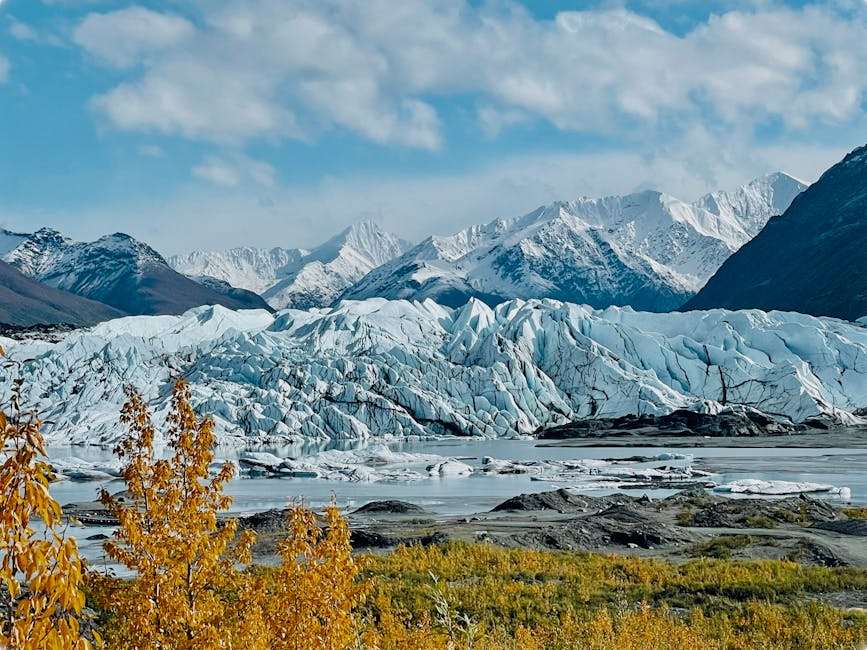
Planning a trip to Anchorage but can’t decide between Alaska’s dramatic winter wonderland or its spectacular summer season? The choice between visiting during winter versus summer dramatically shapes your entire Alaska experience. Each season offers completely different activities, weather patterns, costs, and crowds that’ll define your Anchorage adventure.
This comprehensive guide breaks down everything you need to know about Alaska’s seasons to help you choose the perfect timing for your Anchorage visit. We’ll cover weather patterns, activity availability, costs, crowds, wildlife viewing opportunities, and those famous seasonal phenomena that make Alaska unique: the Northern Lights and Midnight Sun.
Winter in Anchorage (October through March)
Anchorage winters aren’t just about snow and cold—they’re about experiencing Alaska in its most dramatic, pristine form. From mid-October through March, the city transforms into a winter wonderland where you can witness the Aurora Borealis dancing across star-filled skies and enjoy winter activities that simply aren’t possible anywhere else.
Winter Weather and Conditions
Anchorage winter temperatures typically range from 15°F to 25°F (-9°C to -4°C), which is surprisingly mild compared to Alaska’s interior regions. Snowfall averages 75 inches annually, creating a consistent white blanket that lasts from November through March. Daylight hours shrink dramatically—by December, you’ll experience only about 5.5 hours of daylight, with sunrise around 10:15 AM and sunset by 3:45 PM.
The extreme darkness might sound daunting, but it creates perfect conditions for Northern Lights viewing. Clear, cold nights offer the best Aurora opportunities, and Anchorage’s location in the aurora oval makes it one of the world’s premier Northern Lights destinations.
Winter Activities and Attractions
Winter unlocks unique Alaska experiences you can’t get during summer months. Dog mushing becomes accessible through several tour operators who offer authentic sled dog rides through snowy trails. Cross-country skiing and snowshoeing turn summer hiking trails into winter adventure routes. Ice fishing on frozen lakes provides a quintessential Alaska outdoor experience.
Indoor attractions become especially valuable during Alaska’s winter months. The Anchorage Museum offers world-class exhibits on Alaska Native cultures, natural history, and Arctic science—perfect for those short winter days when outdoor time is limited. The museum’s planetarium also provides Northern Lights education that enhances your Aurora viewing experiences.
Winter festivals and events include the World Ice Art Championships, Fur Rendezvous (Anchorage’s winter carnival), and Iditarod start ceremonies. These celebrations embrace Alaska’s winter culture rather than simply enduring the cold months.
Winter Costs and Crowds
Winter represents Alaska’s true off-season for tourism, which dramatically affects both costs and crowds. Hotel rates drop 40-60% compared to summer peak pricing. Restaurant reservations become available on short notice. Tourist attractions operate with minimal crowds, allowing for more personal experiences and better photo opportunities.
However, winter also brings additional costs: rental car winter tires or chains, heavier clothing if you’re from warmer climates, and higher heating bills if you’re staying in rental accommodations. Some tour operators reduce schedules or close entirely during deep winter months.
Summer in Anchorage (May through September)
Alaska summers deliver everything most visitors dream about: endless daylight, accessible outdoor adventures, abundant wildlife, and comfortable weather that makes every outdoor activity possible. Summer is peak season for good reason—it’s when Alaska truly shines for outdoor enthusiasts and wildlife watchers.
Summer Weather and Endless Daylight
Anchorage summer temperatures range from 55°F to 72°F (13°C to 22°C), creating perfect conditions for outdoor activities without the extreme heat found in lower latitudes. Rainfall averages 2-3 inches per month, concentrated in brief afternoon showers that rarely disrupt full-day activities.
The Midnight Sun phenomenon defines Alaska summers. By June 21st, Anchorage experiences 19 hours and 22 minutes of daylight, with twilight extending the usable light even further. You can literally hike, fish, or tour at 11 PM with full daylight—a surreal experience that extends every adventure day.
Summer Activities and Wildlife
Summer opens every outdoor adventure Alaska offers. Chugach Adventures provides access to world-class hiking, whitewater rafting, and glacier tours that showcase Alaska’s dramatic landscapes during their most accessible season. Summer hiking reveals alpine wildflowers, accessible mountain peaks, and trail systems that remain snow-covered most of the year.
Marine wildlife viewing reaches peak activity during summer months. Major Marine Tours offers glacier and wildlife cruises through Prince William Sound, where you’ll encounter humpback whales, orcas, sea otters, and harbor seals feeding in Alaska’s rich marine environment. Salmon runs bring both fish and the bears that feed on them into easily accessible viewing areas.
Summer also means accessible road trips to destinations like Denali National Park, the Kenai Peninsula, and glacier viewing areas that remain inaccessible or extremely challenging during winter months.
Summer Costs and Crowds
Summer represents Alaska’s peak tourism season, with corresponding peak prices and crowds. Hotel rates reach their annual highs, often booking solid months in advance. Popular restaurants require reservations. Tour operators run full schedules but also charge premium rates.
Expect to pay 2-3 times winter rates for accommodations during July peak season. Car rentals, flights, and guided tours all carry summer premiums. However, the increased costs reflect increased access—nearly every Alaska experience becomes available during summer months.
Month-by-Month Planning Guide
October-November: Shoulder season with Northern Lights beginning but some summer activities still accessible. Hotel rates drop significantly after September.
December-February: Deep winter with maximum darkness but best Northern Lights viewing. Lowest hotel rates and minimal crowds, but limited outdoor activity options.
March-April: Late winter with increasing daylight but snow remaining. Good Northern Lights viewing with improving weather conditions.
May: Spring transition with wildflowers emerging and wildlife becoming active. Shoulder season pricing with improving weather.
June-August: Peak summer with Midnight Sun, maximum wildlife activity, and all outdoor adventures accessible. Highest prices and largest crowds.
September: Early fall with changing leaves, active wildlife preparing for winter, and decreasing crowds while weather remains favorable.
Deciding Between Winter and Summer: Key Considerations
Choose Winter If: You prioritize Northern Lights viewing, prefer minimal crowds, want lower costs, enjoy winter sports, or seek authentic Alaska winter experiences. Winter appeals to photographers seeking dramatic snow landscapes and Aurora chasers willing to embrace cold weather for unique natural phenomena.
Choose Summer If: You want maximum outdoor activity access, prefer comfortable weather, prioritize wildlife viewing, or need family-friendly activities. Summer suits first-time Alaska visitors who want to experience everything Alaska offers without weather limitations.
Budget Considerations: Winter saves 40-60% on accommodations and offers off-season tour pricing. Summer costs significantly more but provides access to experiences impossible during winter months.
Activity Priorities: Winter excels for Northern Lights, dog mushing, winter sports, and cultural attractions. Summer dominates for hiking, marine wildlife tours, glacier access, and outdoor photography.
Booking and Planning Recommendations
For winter travel, book accommodations 2-3 months in advance to secure the best deals. Northern Lights tours often run with minimal advance notice based on weather conditions, so maintain flexible schedules.
Summer travel requires 6-12 months advance booking for preferred accommodations and popular tours. July represents peak season with the highest demand and prices. June and August offer slightly better availability while maintaining excellent weather and activity access.
Consider shoulder seasons (May and September) for balanced experiences with moderate pricing, decent weather, and reduced crowds while retaining access to most summer activities.
Whether you choose Alaska’s dramatic winter wonderland or spectacular summer season, Anchorage delivers experiences that’ll redefine your understanding of what a vacation can be. Each season offers its own magic—the choice comes down to which type of Alaska adventure calls to you.
Featured photo by Yuanpang Wa on Pexels.



No comments yet.