
Alaska Summer Budget Travel Planning Guide
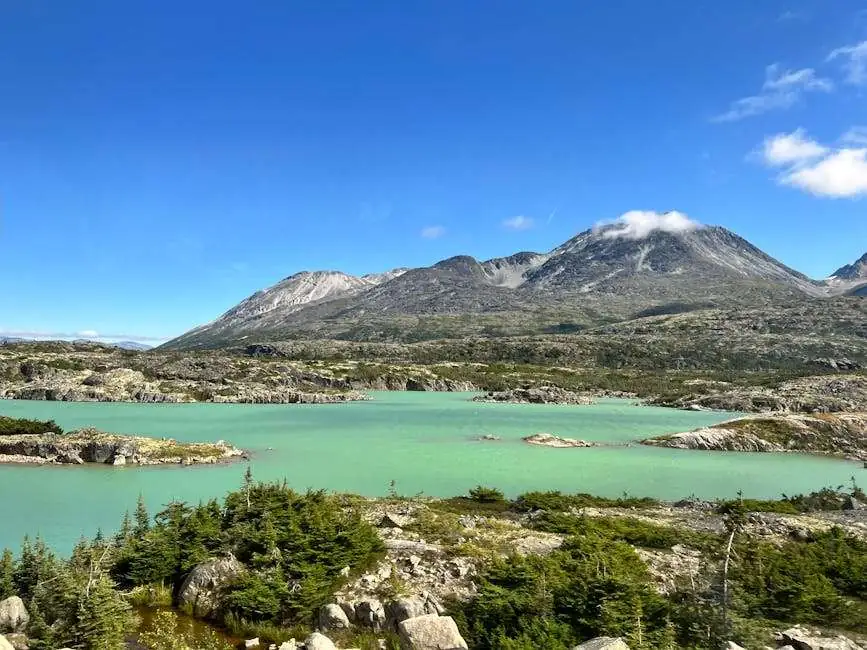
Planning a summer trip to Alaska doesn’t have to break the bank. With careful planning and smart choices, you can experience the Last Frontier’s incredible wilderness, wildlife, and culture while staying within your budget.
Understanding Alaska Summer Travel Costs
Alaska’s peak season runs mid-June through August when prices reach their highest points. The key to budget travel is leveraging summer weather for camping, hiking, and outdoor activities that significantly reduce costs. Many of Alaska’s best experiences – wildlife viewing, glacier watching, and scenic drives – are free or very affordable.
Budget Accommodation Strategies
Camping Options
Alaska’s state parks offer spots under $20 per night with incredible views. Chugach State Park near Anchorage provides affordable lodging with mountain views. Big Ray’s offers equipment rentals for travelers without gear – often less than a single hotel night.
Alternative Lodging
Hostels and budget hotels near commercial areas like Walmart Anchorage offer competitive rates. Vacation rentals work well for groups, and kitchen access saves significant money on meals.
Transportation on a Budget
Anchorage’s public bus service connects major attractions affordably. The Z.J. Loussac Public Library provides free internet and transportation advice. For rental cars, book in advance and consider shorter periods for day trips to scenic locations like Girdwood or Turnagain Arm.
Free and Low-Cost Activities
Hiking and Nature
Alaska’s extensive trail system provides free wilderness access. The Williwaw Lakes Trail offers challenging alpine lake views. Beluga Point along the Seward Highway provides free whale watching opportunities during summer.
Cultural and Fishing Experiences
The Anchorage Museum offers discount days and reduced admission. Little Campbell Lake Fishing provides accessible freshwater fishing within city limits, requiring only a license and basic equipment.
Food Budget Strategies
Choose accommodations with kitchen access to dramatically reduce food costs. Shop at larger grocery stores for better prices. Focus on local Alaska seafood and Matanuska Valley vegetables for better value than imported items. When eating out, seek food trucks and casual spots over tourist restaurants.
Seasonal Pricing and Timing
May and September offer significant savings while providing excellent weather. Late May features long days and wildflowers, while September brings fall colors and Northern Lights possibilities. Mid-week travel reduces accommodation and tour costs compared to weekends.
Activity and Tour Budget Tips
Group tours significantly reduce per-person costs compared to private options. Research companies like Chugach Adventures for group discounts and packages. Book several months in advance for 10-20% savings, or look for last-minute deals with flexible itineraries.
Money-Saving Shopping
Rent expensive outdoor gear rather than buying for single trips. Shop end-of-season sales for future adventures. Buy Alaska-made souvenirs at local markets and craft fairs for better prices than tourist areas.
Technology and Safety
Use free WiFi at accommodations and public buildings to reduce cellular data costs. Libraries provide free internet for planning. Download offline maps before arrival. Pack emergency supplies and weather protection – basic preparation costs less than emergency services.
Budgeting Tips
Set daily spending limits for food, activities, and transportation. Track expenses daily and maintain a small emergency fund for unexpected situations like weather delays or equipment issues.
Frequently Asked Questions
What’s the best month for budget travel to Alaska?
May and September offer the best balance of good weather and lower prices, with significantly reduced accommodation and tour costs compared to peak summer months.
How much should I budget per day for food?
Budget travelers can manage $30-50 per day by cooking most meals and eating out sparingly. Camping with cooking facilities can reduce this to $20-30 per day.
What’s the most expensive part of an Alaska trip?
Transportation typically represents the largest expense, including flights to Alaska and local transportation, followed by accommodations during peak season.
Featured photo by Monique van Melick on Pexels.




No comments yet.