
Ultimate Anchorage Photography Guide: Instagram Gold Mine
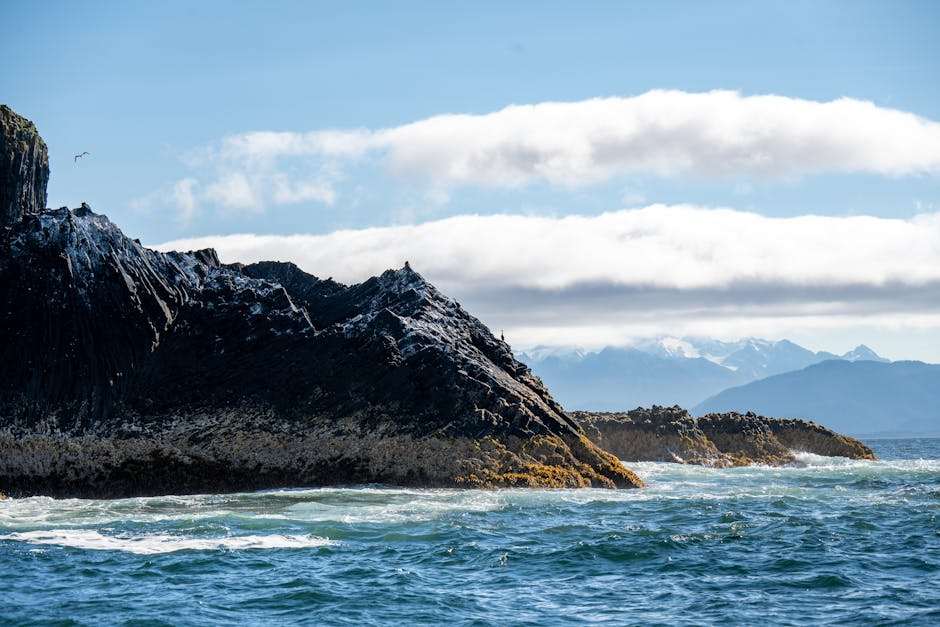
Anchorage: Instagram Photography Paradise
Anchorage offers photographers an extraordinary combination of urban sophistication and wilderness access, creating distinctive photo opportunities where cityscapes frame snow-capped mountains and Northern Lights dance above downtown buildings. You’ll capture world-class shots without wilderness expedition skills – glacier views during lunch breaks, wildlife from paved trails, and stunning mountain silhouettes minutes from coffee shops.
Essential Photography Locations
Flattop Mountain & Glen Alps
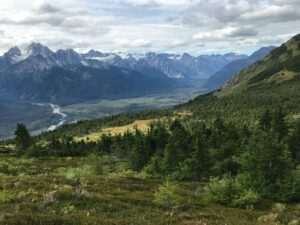
Flattop Mountain provides Anchorage’s most accessible summit photography with 360-degree views showcasing the city between mountains and ocean. The moderate 3.5-mile hike rewards photographers with commanding perspectives of Cook Inlet, downtown, and the Chugach Mountains. Glen Alps serves as both trailhead and spectacular photography location itself – the parking area at 2,000 feet provides immediate access to sweeping views without hiking.
Golden hour becomes magical here as city lights twinkle below while peaks catch warm light. Summer’s nearly 19 hours of daylight creates extended golden hour periods lasting hours rather than minutes.
Downtown & Coastal Spots
Resolution Park provides one of Anchorage’s most photographed vantage points, where the Captain Cook Monument frames views across Cook Inlet toward Denali. This elevated position captures the contrast between urban development and wilderness that defines Anchorage’s character.
Tony Knowles Coastal Trail offers 11 miles of continuous photography opportunities along Cook Inlet’s shoreline. Sunset photography creates spectacular images as the sun sets behind Mount Susitna, “Sleeping Lady.” Wildlife includes beluga whales during summer, seabirds year-round, and occasional moose.
Ship Creek offers gritty urban Alaska character with salmon fishing and railroad infrastructure. During summer runs, you’ll find dramatic action shots with city skyline backdrop.
Seasonal Photography
Summer: Midnight Sun
Alaska’s midnight sun creates photography conditions unique at this latitude. Extended golden hour periods provide warm, directional light for hours. Summer wildlife photography peaks when bears fish for salmon and beluga whales feed in Cook Inlet.
Winter: Northern Lights
Northern Lights frequently dance above the city September through March. Popular aurora locations include Glen Alps, Earthquake Park, and areas along the Coastal Trail.
Aurora photography tips: Use ISO 800-3200, wide apertures (f/1.4-f/2.8), and 8-25 second exposures. Include foreground elements like trees or buildings for engaging compositions.
Equipment & Instagram Strategy
Alaska photography demands robust equipment functioning in extreme temperatures. Full-frame cameras perform better in low-light winter conditions. A 24-70mm f/2.8 provides excellent general coverage, while 70-200mm lenses work for wildlife and mountain details.
Cold weather essentials include extra batteries kept warm, lens hoods preventing snow accumulation, and microfiber cloths for condensation management.
Successful Alaska photography benefits from strategic hashtag use: #AnchorageAlaska, #ExploreAlaska, #LastFrontier, #AlaskaLife, #MidnightSun, and #NorthernLights. Location-specific hashtags like #FlattopMountain connect with other photographers.
Whether you’re chasing Instagram likes or building a professional portfolio, Anchorage provides photography opportunities that challenge your skills while delivering consistently impressive results. The combination of accessibility and dramatic subject matter makes every session productive.
For extended outdoor shoots, equip properly at Big Ray’s for specialized cold-weather camera protection. When planning glacier photography, Portage Glacier provides spectacular ice formations just 90 minutes from downtown.
Featured photo by Anil Sharma on Pexels.

No comments yet.