
Alaska Summer Gear and Equipment Essentials
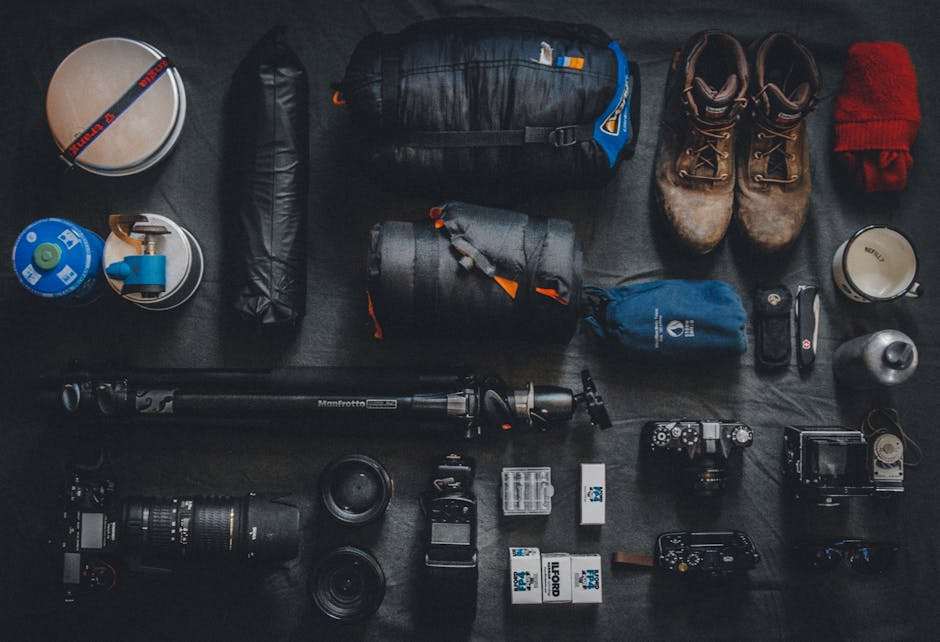
Essential Clothing Systems for Alaska Summer
Alaska’s summer weather isn’t what most people expect. While you might picture constant cold and snow, summer temperatures can reach the 70s and 80s in Anchorage. However, you’ll also experience everything from morning frost to afternoon rain showers. Layering isn’t just recommended—it’s essential for comfort and safety.
Base Layer Essentials
Start with moisture-wicking base layers made from merino wool or synthetic materials. Cotton kills in Alaska’s unpredictable conditions. A quality base layer keeps you dry when you’re active and warm when temperatures drop. Pack at least two sets—one to wear, one to wash.
Insulation Layer
A lightweight down jacket or synthetic insulation layer is crucial for Alaska summers. Even in July, early mornings and evenings can dip into the 40s. Choose something packable that won’t take up precious luggage space. Local outdoor enthusiasts swear by lightweight puffies for those chilly dawn fishing sessions.
Shell Layer
Rain happens frequently in Alaska summers, often without warning. A waterproof, breathable shell jacket and pants are non-negotiable. Look for sealed seams and pit zips for ventilation when you’re hiking up those steep Chugach Mountain trails.
Activity-Specific Gear Recommendations
Hiking and Trekking Equipment
Alaska’s hiking terrain demands specific gear choices. Sturdy, waterproof hiking boots with ankle support are essential—you’ll encounter everything from muddy trail sections to river crossings. Gaiters help keep debris out of your boots and protect your lower legs from brush.
A reliable hiking backpack should have rain cover and enough capacity for Alaska’s unpredictable conditions. Day hikes require 20-30 liters, while multi-day adventures need 50+ liters. If you don’t want to invest in your own gear, Alaska Outdoor Gear Rental offers quality backpacks and hiking equipment for short-term use.
Trekking poles aren’t optional in Alaska—they’re safety equipment. Stream crossings, loose rock, and steep descents are common on Alaska trails. Choose collapsible poles that won’t take up luggage space.
Fishing Gear Essentials
Alaska’s fishing opportunities are legendary, but you need the right equipment. A medium-heavy spinning rod and reel combo handles both salmon and smaller species. Pack a variety of lures—spoons, spinners, and jigs work well for Ship Creek salmon fishing right in downtown Anchorage.
Waterproof waders are essential for serious fishing, but chest-high waders can be cumbersome for travel. Hip waders offer mobility and packability for stream fishing. Don’t forget a landing net—Alaska fish grow large, and you’ll need help bringing them in.
A fishing vest or tackle backpack keeps your gear organized and accessible. Alaska fishing means moving between spots frequently, so hands-free storage is crucial.
Photography Equipment
Alaska’s summer light creates incredible photography opportunities—20 hours of daylight means you’re never without shooting opportunities. A sturdy tripod is essential for those midnight sun landscapes and wildlife shots when you need steady hands.
Weather protection for your camera gear is critical. Rain covers, lens cloths, and moisture-absorbing packets protect expensive equipment from Alaska’s humid summer conditions. Extra batteries are essential—cold weather drains power faster than you expect.
Safety Equipment and Emergency Preparedness
Bear Safety Gear
Bear encounters are possible anywhere in Alaska, even in Anchorage’s urban areas. Bear spray is more effective than firearms and easier to use under stress. Choose EPA-approved bear spray with a 25-foot range and carry it in an easily accessible location—not buried in your pack.
Bear-proof food containers or storage techniques are essential for camping and day hiking. Even on short hikes, secure your snacks and scented items properly.
Communication and Navigation
Cell coverage is spotty in Alaska’s wilderness areas. A GPS device or satellite communicator provides peace of mind for families and solo travelers. Garmin inReach devices allow two-way messaging and emergency SOS capabilities even without cell coverage.
Traditional map and compass skills aren’t outdated in Alaska—they’re backup systems when technology fails. Waterproof maps and a quality compass should be in every hiker’s pack.
First Aid Essentials
Alaska wilderness first aid goes beyond basic cuts and scrapes. Pack supplies for hypothermia treatment, wound cleaning, and emergency shelter. Include emergency whistle, fire starter, and emergency blanket in your first aid kit.
Weather-Appropriate Clothing Systems
Footwear Strategy
Pack versatile footwear for Alaska’s varied activities. Waterproof hiking boots handle trail conditions, while comfortable walking shoes work for urban exploration in Anchorage. Water-resistant shoes are essential for stream crossings and wet trail sections.
Don’t forget camp shoes—lightweight sandals or slip-on shoes give your feet relief after long hiking days. Your feet will thank you during those long summer evenings at your campsite.
Head and Hand Protection
The midnight sun means UV protection is crucial even during traditionally “night” hours. A wide-brimmed hat, quality sunglasses, and high-SPF sunscreen protect against intense reflected light off water and snow.
Lightweight gloves are necessary for cool mornings and evenings, even in summer. Choose gloves that allow dexterity for photography and fishing while providing warmth.
Gear Rental vs Purchase Considerations
When to Rent
Renting makes sense for bulky or expensive items you’ll use infrequently. Camping gear, fishing equipment, and specialized outdoor gear can be costly and difficult to transport. Local shops like REI Anchorage offer rental programs for quality equipment without the investment.
International travelers especially benefit from renting rather than shipping gear. Airlines charge hefty fees for oversized luggage, making rental often more economical.
What to Purchase
Personal items like clothing, boots, and safety equipment should be your own. Proper fit is crucial for comfort and performance. 6th Avenue Outfitters Co-op offers expert fitting advice for boots and technical clothing that needs to perform in Alaska conditions.
Buy items you’ll use beyond Alaska. Quality base layers, rain gear, and hiking boots serve well for future outdoor adventures anywhere.
Packing Lists for Different Trip Types
Day Hiking Essentials
- Daypack (20-30L capacity)
- Water bottles or hydration system
- Energy snacks and lunch
- First aid kit
- Rain jacket and pants
- Insulation layer
- Hat and sunglasses
- Sunscreen
- Map and compass/GPS
- Emergency whistle
- Bear spray
- Headlamp with extra batteries
Multi-Day Backpacking
- Backpacking pack (50+ liters)
- Tent or shelter system
- Sleeping bag (rated for 30°F minimum)
- Sleeping pad
- Backpacking stove and fuel
- Cooking pot and utensils
- Water filtration system
- Bear-proof food storage
- Complete clothing system
- Emergency shelter/bivy
Fishing Trip Gear
- Fishing rod and reel
- Tackle box with Alaska-appropriate lures
- Net and fillet knife
- Waders or hip boots
- Fishing vest or pack
- Alaska fishing license
- Cooler for catch
- Rain gear
- Camera for fish photos
Local Gear Shopping and Expert Advice
Alaska’s outdoor retailers understand local conditions better than anywhere else. They know which gear performs in Southeast rain forests versus Interior temperature extremes. Don’t hesitate to ask for specific advice about your planned activities.
Local shops also carry Alaska-specific items you won’t find elsewhere—specialized fishing lures, bear safety equipment, and clothing designed for Alaska conditions. They often rent gear and provide maintenance services during your stay.
Final Preparation Tips
Test all gear before your Alaska trip. Break in boots, practice with your GPS, and ensure all equipment functions properly. Alaska isn’t the place to discover your rain jacket leaks or your sleeping bag doesn’t fit.
Pack extra batteries for all electronic devices. Cold weather drains power quickly, and you can’t recharge in the wilderness. Bring more than you think you’ll need.
Consider gear redundancy for critical items. An extra base layer, backup headlamp, or spare GPS batteries can make the difference between a great adventure and a survival situation.
Alaska’s summer adventures await with proper preparation and the right equipment. Whether you’re hiking Chugach peaks, fishing for salmon in Ship Creek, or photographing midnight sun landscapes, having the right gear ensures you’ll create memories instead of problems.
Featured photo by Alex Andrews on Pexels.

No comments yet.