
Best Places for Wildlife Viewing Near Anchorage 2026
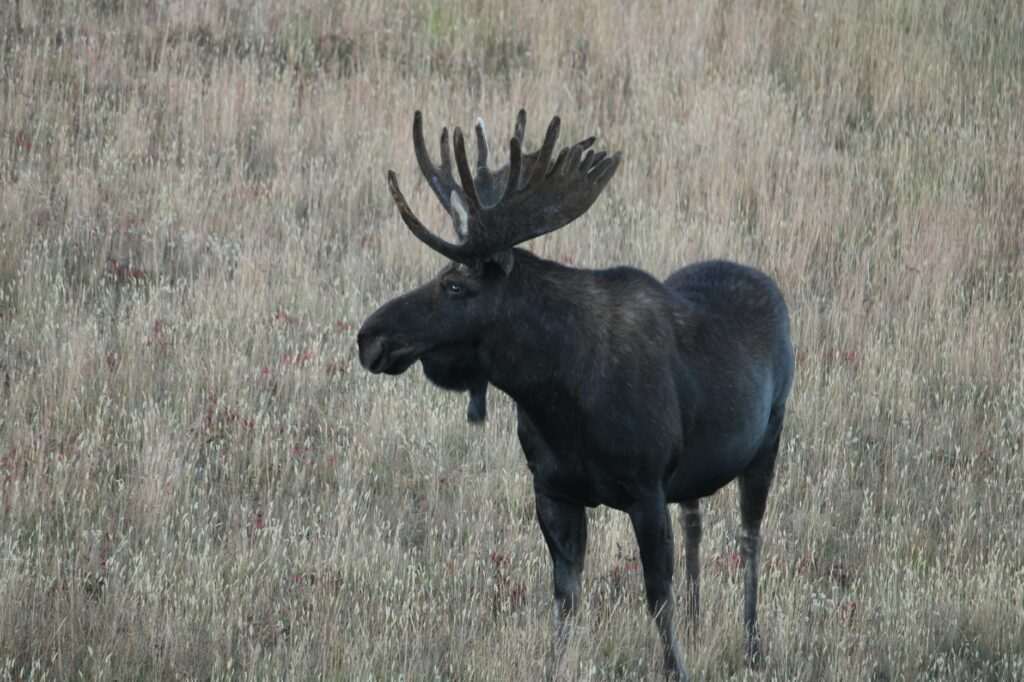
Want to experience Alaska’s incredible wildlife without venturing too far from Anchorage? The region within a two-hour drive offers some of the state’s best wildlife viewing opportunities, from massive brown bears fishing for salmon to majestic moose wandering through meadows. You’ll discover world-class locations that combine accessibility with authentic Alaska wilderness experiences.
Seward Area: Marine Wildlife Paradise
Resurrection Bay and Kenai Fjords National Park
Just two hours south of Anchorage, Seward provides unparalleled access to marine wildlife viewing. Major Marine Tours operates excellent wildlife cruises from Seward Harbor, where you’ll encounter orcas, humpback whales, Steller sea lions, and thousands of seabirds including puffins and murres.
The best time for marine wildlife viewing runs from May through September, with peak whale activity occurring in July and August when humpbacks feed on the abundant krill and small fish. You’ll often see whales breaching just hundreds of yards from tour boats. Absolutely spectacular.
Resurrection Bay also hosts one of Alaska’s largest Steller sea lion populations. These massive marine mammals gather on rocky outcroppings near the harbor, providing excellent viewing and photography opportunities during boat tours.
Exit Glacier Area
The Exit Glacier area, about 20 minutes from Seward, offers excellent opportunities to spot black bears and mountain goats. During summer months, black bears frequently forage for berries along the glacier road and hiking trails. Rangers recommend early morning visits for the best wildlife encounters.
Portage Valley: Accessible Mountain Wildlife
Portage Glacier and Whittier Road
The drive to Portage Glacier (about 1 hour from Anchorage) frequently rewards visitors with mountain goat sightings on the surrounding cliffs. The Whittier road offers some of Alaska’s most reliable roadside wildlife viewing, especially for Dall sheep on the steep mountainsides.
Black bears also frequent the Portage Valley, particularly during late summer when blueberries ripen. The area’s extensive wetlands attract moose, especially during early morning and evening hours. Wildlife activity peaks in late May through August.
Begich Boggs Visitor Center Area
The meadows and wetlands around Begich Boggs Visitor Center provide excellent moose viewing opportunities. The flat terrain and abundant willow growth create ideal moose habitat, making this one of the most reliable spots near Anchorage for close-range moose photography.
Palmer and Wasilla Region: Valley Wildlife
Hatcher Pass and Independence Mine
About 90 minutes from Anchorage, Hatcher Pass offers alpine wildlife viewing opportunities you won’t find closer to the city. Mountain goats are frequently spotted on the rocky ridges, while ground squirrels and marmots inhabit the alpine meadows.
The drive up Hatcher Pass Road also provides excellent opportunities for spotting moose in the willow thickets and beaver ponds. During autumn months, the area becomes particularly active as wildlife prepares for winter.
Palmer Hay Flats State Game Refuge
This 28,000-acre refuge, about 45 minutes from Anchorage, protects critical waterfowl habitat and provides outstanding bird viewing opportunities. Over 130 species have been documented here, including sandhill cranes, trumpeter swans, and various raptors.
The refuge’s extensive mudflats and marshes also attract moose and occasionally brown bears. Spring migration (April-May) and fall migration (August-September) offer the most diverse wildlife viewing experiences.
Girdwood and Turnagain Arm: Coastal Wildlife
Turnagain Arm Beluga Whales
The drive between Anchorage and Girdwood along Turnagain Arm offers unique opportunities to spot beluga whales from the highway. These white whales follow salmon runs into the shallow waters of Turnagain Arm during summer months.
Peak beluga viewing occurs during incoming tides from June through August. The Beluga Point scenic overlook provides the best roadside viewing location, though sightings require patience and good timing with the tides.
Alyeska Resort Area
The forests and meadows around Girdwood host healthy populations of black bears, moose, and smaller wildlife. The area’s extensive trail system provides excellent opportunities for wildlife viewing while hiking, especially the Winner Creek Trail and Crow Creek Road areas.
Denali State Park: Big Game Country
Byers Lake and Troublesome Creek
About two hours north of Anchorage, Denali State Park offers some of the region’s best opportunities for large mammal viewing. Moose, caribou, and occasionally brown bears frequent the park’s lakes and meadows.
The park’s location along major wildlife migration corridors makes it particularly productive during spring and fall. Caribou herds sometimes pass through the area during migration, providing spectacular viewing opportunities for lucky visitors.
Safety Guidelines for Alaska Wildlife Viewing
Bear Safety Essentials
When viewing wildlife in Alaska, bear awareness is crucial. Carry bear spray and know how to use it. Make noise while hiking, especially around blind corners and dense vegetation. Never approach or feed any wildlife – if your presence changes an animal’s behavior, you’re too close.
For brown bears, maintain at least 100 yards distance. For black bears, stay at least 25 yards away. If you encounter a bear, don’t run. Back away slowly while speaking calmly and avoid direct eye contact.
Moose Safety
Moose cause more injuries in Alaska than bears. These animals can be extremely aggressive, especially during rutting season (September-October) and when cows have calves (May-July). Maintain at least 25 yards distance from all moose.
Warning signs include laid-back ears, raised hackles, and stomping. If a moose charges, run and put a large object like a tree or car between yourself and the animal.
Photography and Gear Recommendations
Camera Equipment
For serious wildlife photography, bring a telephoto lens (at least 300mm) to maintain safe distances while capturing detailed shots. A sturdy tripod helps with stability during long waits for wildlife to appear.
Binoculars are essential for spotting distant wildlife and tracking animal behavior. Quality optics make a significant difference in wildlife viewing success, especially for marine mammals and birds.
Weather Preparation
Alaska weather can change rapidly, even during summer. Layer clothing and bring waterproof gear. Warm, waterproof boots are essential for marshy areas where moose frequent.
Pack extra batteries for cameras and electronics – cold weather drains batteries quickly. Keep equipment in waterproof bags to protect against sudden rain or splashing on marine tours.
Guided Wildlife Viewing Options
Professional Tours and Charters
For the best wildlife viewing experiences, consider guided options. Alaska’s Finest Tours & Cruises offers comprehensive wildlife viewing packages that combine multiple locations and increase your chances of diverse wildlife encounters.
Professional guides understand animal behavior, seasonal patterns, and optimal viewing locations. They also handle safety protocols and help identify species you might otherwise miss.
Helicopter Tours
For a truly unique perspective, Alaska Helicopter Tours provides aerial wildlife viewing opportunities that ground-based visitors can’t access. Helicopter tours can reach remote valleys and alpine areas where caribou, Dall sheep, and bears roam undisturbed.
Seasonal Wildlife Viewing Calendar
Spring (April-May)
Spring brings migrating waterfowl and the emergence of bears from hibernation. Moose with new calves become visible in meadows and wetlands. Marine mammals begin arriving in coastal waters as ice recedes.
Summer (June-August)
Peak wildlife viewing season offers the most diverse opportunities. Salmon runs attract bears and marine mammals. All species are most active, and long daylight hours provide excellent viewing windows.
Fall (September-October)
Autumn features rutting season for moose and caribou migration. Fall colors provide stunning backdrops for wildlife photography. Bears become more visible as they prepare for hibernation.
Planning Your Wildlife Viewing Adventure
The best wildlife viewing happens when you’re patient and prepared. Visit multiple locations over several days to maximize your chances of diverse encounters. Early morning and evening hours typically offer the most wildlife activity.
Weather conditions significantly impact wildlife behavior. Overcast days often provide better wildlife viewing than bright, sunny conditions when animals seek shade and shelter.
Remember that wildlife viewing requires respect for animals and their habitat. Follow Leave No Trace principles, pack out all garbage, and never feed wildlife. Your responsible behavior helps preserve these incredible wildlife viewing opportunities for future visitors.
Featured photo by Tim Kirkland on Pexels.


No comments yet.