
Best Spring Hiking Trails in Anchorage 2026
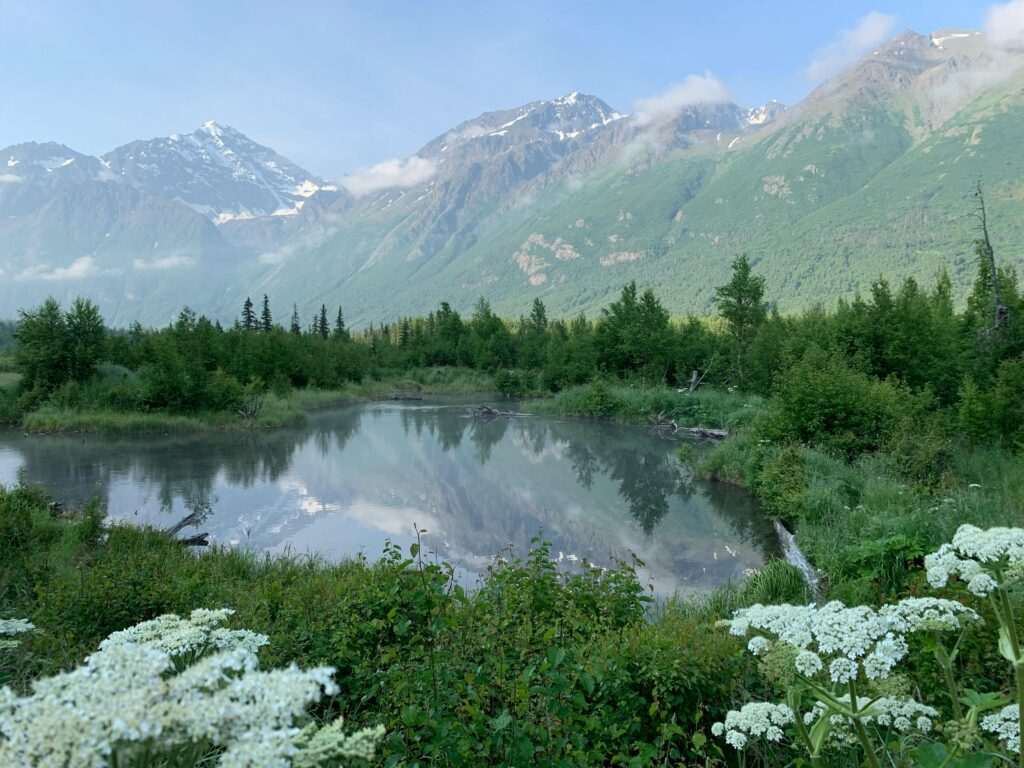
If you’re planning spring hiking in Anchorage, late April and May are when local trails start waking up. The city gets longer light, lower routes begin drying out, and the first good shoulder-season hikes show up if you pick carefully. This isn’t summer yet, though. In Anchorage, spring hiking is about starting low, expecting mud, and saving the bigger alpine pushes for a warm spell later in May.
The smart move is to begin with boardwalks, paved paths, and valley-floor loops before you work up to the foothills. If you need layers, traction, or trekking poles, REI Co-op Anchorage is an easy stop before the trailhead.
What Spring Hiking Looks Like in Anchorage
South-facing, lower-elevation trails usually open first, while shaded gullies and higher terrain can still hold snow into May. That’s why locals often start with places like Potter Marsh, the Tony Knowles Coastal Trail, and the easier loops around Eagle River Nature Center. If you get a cold night followed by sunshine, morning footing is often firmer than late-afternoon slush.
Start low. Then adjust. A trail that looks dry at the parking lot can turn snowy a mile later, so go in expecting mixed conditions instead of a perfect spring surface.
10 Best Spring Hiking Trails in Anchorage 2026
1. Potter Marsh Boardwalk
Difficulty: Easy.
Potter Marsh is one of the most reliable early-season choices because the boardwalk stays usable long before higher dirt trails settle out. Late April is a great time for migration, so you’ll often hear geese overhead and spot waterfowl in the wetlands. It’s short, flat, and ideal when you want fresh air without a big commitment. Wind off Turnagain Arm can be cold, so bring a shell.
2. Tony Knowles Coastal Trail
Difficulty: Easy.
If you want mileage without mud, this paved trail is the easy answer. You get Cook Inlet views, room to stretch your legs, and a good early-season test for your layers and pacing. It’s also a strong choice for visitors who want a real Anchorage outdoor experience before stepping onto rougher terrain. Expect cooler conditions than the city forecast suggests if the wind is up.
3. Rodak Nature Trail
Difficulty: Easy.
The easiest walk at Eagle River Nature Center is a smart spring pick when you want forest, river sound, and mountain scenery without dealing with steep snow. It’s family-friendly, usually one of the first wooded routes to feel approachable, and a good backup when foothill plans look messy. Waterproof shoes still help. Spring puddles don’t care how short your hike is.
4. Albert Loop Trail
Difficulty: Easy to moderate.
Albert Loop is a good next step once you’re ready for a longer dirt trail but still want something forgiving. The route moves through boreal forest near the nature center and stays more sheltered than exposed hillside hikes around Anchorage. In late April and early May, expect wet sections and the occasional lingering patch of snow. It’s a strong choice for families and casual hikers who want a little more distance.
5. Middle Fork Loop Trail
Difficulty: Moderate.
Middle Fork Loop usually makes more sense by mid to late May, when daytime thaw becomes more consistent. It gives you Eagle River valley scenery without forcing you into a high alpine snowpack, and it’s often a better spring play than something steeper nearby. Anchorage spring hiking rewards patience. Wait a week, and a sloppy trail can suddenly feel much better.
6. Turnagain Arm Trail
Difficulty: Easy to moderate.
This is one of the trails that often dries earlier than people expect. It sits low, catches sun, and can offer one of the first real dirt-hiking days of the season near town. The draw is simple: quick access, open views, and a manageable grade for hikers easing back into shape after winter. Muddy edges and slick roots are still common after rain, so don’t expect summer footing.
7. Glen Alps and the Anchorage Overlook
Difficulty: Easy.
Glen Alps Trailhead is one of the most useful spring trailheads in Anchorage because it gives you options. If upper routes look snowy or windblown, you can still enjoy the overlook and get a fast read on mountain conditions. On clear evenings, the Anchorage Bowl views are hard to beat. Just don’t assume the trailhead means every route beyond it is fully ready.
8. Powerline Pass, Lower Miles
Difficulty: Moderate.
Powerline Pass Trail can work well in late May if you treat it as an out-and-back and stay honest about conditions. The lower miles often improve before the upper reaches, which makes it a good shoulder-season training hike when you want distance without chasing a summit. Higher up, snow can linger. Bring traction if nights have been cold, and turn around before the route gets frustrating.
9. Rabbit Lake, Lower Section
Difficulty: Moderate to challenging.
Rabbit Lake Trail is usually better as a partial spring outing than a full lake objective in late April. The lower section can be a worthwhile workout, but snow tends to hold longer as you climb. Think of this as a flexible day rather than a box to check. If the lower trail feels good, keep going. If the upper route turns punchy or icy, save the full hike for early summer.
10. Flattop, Usually Late May
Difficulty: Moderate to challenging.
Flattop is the hike visitors ask about first, and it can come into shape by late May on warm, low-snow years. Earlier than that, the upper section often holds enough snow and ice to make it more work than fun for casual hikers. If you want a guided option instead of guessing, Chugach Adventures is worth checking before you go. Otherwise, bring microspikes and be ready to turn around.
How to Choose the Right Spring Trail
Use elevation and exposure as your filter. In late April, boardwalks, paved routes, and low valley trails are usually your best bets. By mid to late May, foothill hikes start opening up, but that doesn’t mean every route is ready end to end. South-facing trails usually improve faster than shaded north-facing slopes, and steep upper sections deserve extra caution until you’ve confirmed conditions.
Only have a half day? Don’t chase mileage just to say you did. Pick the experience you want: wildlife at Potter Marsh, forest walking at Eagle River, or broad views from Glen Alps. That’s the better local move.
Spring Hiking Safety Tips in Anchorage
Spring is wildlife season as much as trail season. Moose are active, bears start moving, and both deserve space. Carry bear spray where you can reach it, make noise in brushy sections, and wait out a moose instead of trying to squeeze past. That patient Alaska habit matters.
Weather can also shift fast. The city might feel mild while the foothills are windy, icy, or wet. Tell someone where you’re going, especially if you’re heading into Chugach State Park Trail Systems. And don’t be stubborn about turnaround times. Spring hiking in Anchorage goes better when you stay flexible.
What to Pack for Spring Hiking in Anchorage
Start with waterproof footwear or trail shoes you don’t mind muddying up. Add a shell, a warm midlayer, gloves, and a hat. Even in May, exposed trailheads can feel cold once the wind kicks up. Trekking poles help on slick descents, and microspikes are worth keeping in the car for foothill hikes after a hard overnight freeze.
Bring water, a snack, and a dry layer you can swap into if you get wet. Keep extra socks in the car. It sounds basic because it’s true. On Anchorage spring trails, dry socks can save the whole day.
What are the best easy spring hikes in Anchorage?
Potter Marsh, the Tony Knowles Coastal Trail, and Rodak Nature Trail at Eagle River Nature Center are the easiest spring options. They tend to be more accessible in late April and early May than higher foothill routes, and they still give you wildlife, views, and a real sense of place.
Are Anchorage hiking trails snow-free by May?
No, not all of them. Lower, sunnier trails can hike well by May, but shaded and higher-elevation routes often still hold snow, ice, or muddy sections. Check current conditions before you commit to Flattop, Rabbit Lake, or the upper miles of Powerline Pass.
What should I pack for spring hiking in Anchorage?
Bring waterproof footwear, layers, a shell, traction if nights have been freezing, and bear spray. Spring conditions in Anchorage can change fast, so it helps to pack for mud, wind, and a colder trail than the city forecast suggests.
That’s the sweet spot for spring hiking in Anchorage: stay realistic, start lower, and let the season come to you instead of rushing it. Do that, and late April and May can deliver some of the most satisfying hikes of the year.
Featured photo by Sara Loeffler on Pexels.



No comments yet.