
Best Spring Hiking Trails Opening in Anchorage
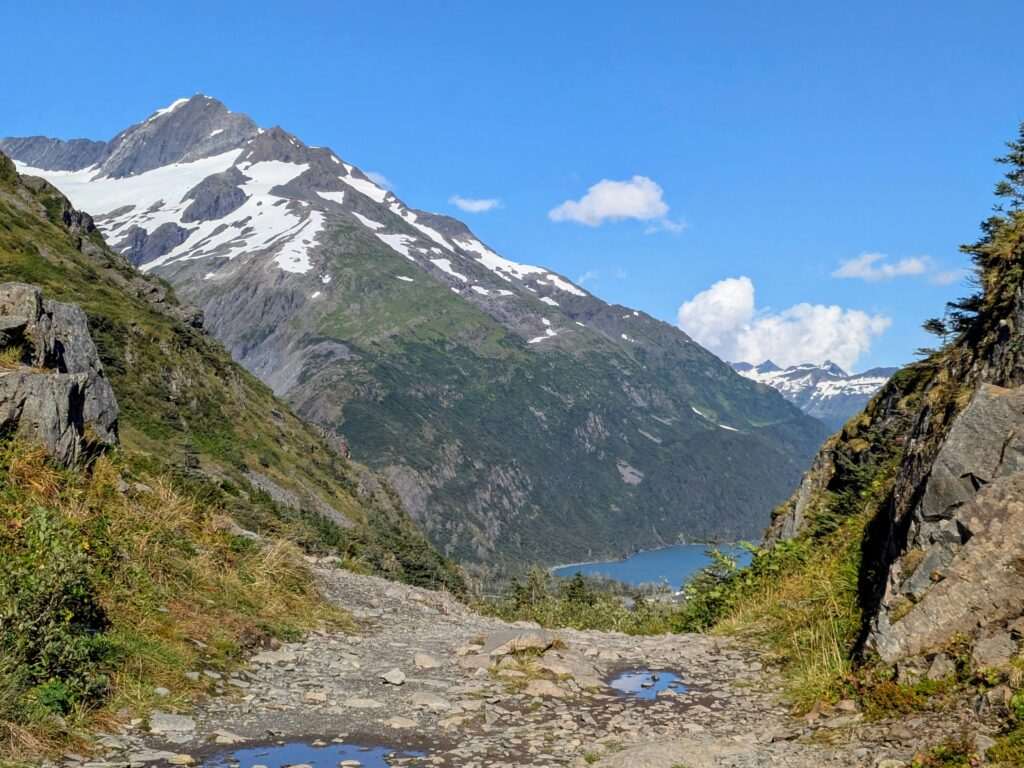
Spring hiking trails Anchorage locals actually use start opening in layers. Lower, drier routes around Anchorage, Alaska usually come back first, while higher hillside hikes can stay snowy or muddy well into June. If you’re ready to get outside, this is when trail choice matters most.
We usually start the season on easier early-melt routes, then work upward as the snowline pulls back. Spring in Anchorage can mean bare pavement one day and slick mud the next.
What are the best spring hiking trails in Anchorage?
The best spring hiking trails in Anchorage are usually lower-elevation or better-drained routes that shed snow earlier than alpine terrain. In late spring, locals often start with Campbell Creek Trail and Thunderbird Falls Trail, then move up to steeper outings like Bird Creek Trail or Powerline Pass Trail once the ground firms up.
Start Low and Go Early
The easiest rule for spring hiking around Anchorage is simple: start low. The Municipality of Anchorage warns hikers to avoid soft, muddy earthen trails during spring conditions because the damage can last all season. That’s why paved greenbelt paths and lower trail systems are usually the safest first picks when breakup is still dragging on.
Campbell Creek Trail is a smart opener for almost anyone. It’s broad, approachable, and easy to scale to the day you want. You’ll hear water moving under the remaining ice, smell wet cottonwood buds. It’s not a summit day. That’s the point.
If you want a little more scenery without committing to a high alpine route, Thunderbird Falls Trail is another strong late-spring option. The trail is short, family-friendly, and often one of the first hikes people check once snow starts pulling back in the Chugiak area. Go early. The small lot fills fast.
When Bigger Spring Hikes Start Coming Online
Once temperatures stay milder and overnight refreeze eases up, spring hiking trails Anchorage visitors ask about most start to improve. Alaska State Parks identifies the Turnagain Arm corridor as a popular spring hiking area, which matches what locals see every year once daylight stretches and the Seward Highway pullouts start filling again.
Bird Creek Trail is a good example. It’s steeper than the city greenbelt trails, so you’ll want decent footing and enough fitness for a short but punchy climb. On a clear day, Turnagain Arm opens up below you and the whole place feels like Anchorage finally woke up. Bring traction if nights are still freezing.
Powerline Pass Trail often enters the conversation in late spring too, especially from the Glen Alps side. It’s a favorite because you can keep the outing flexible. If the upper trail still looks snowy or soft, turn around early and you’ll still get a solid morning outside. Check the trailhead signs before you go, because Glen Alps is a Chugach State Park access point with a day-use parking fee.
Rabbit Lake Trail is where spring optimism can get people in trouble. It’s a favorite summer hike, but it’s rarely an early opener in full condition. The lower section can look promising while upper slopes still hold snow, postholes, or muddy tread. Want the local take? Save Rabbit for a more settled late-spring or early-summer window unless you’ve got fresh condition intel.
What Spring Trail Conditions Really Feel Like
Spring trail reports around Anchorage can sound better than they hike. Snowmelt creates standing water, slick roots, and soft edges even when the main tread looks clear. A sunny afternoon can change a route fast.
Wildlife is another real factor. Anchorage Parks reminds trail users that we share these routes with bears, moose, and coyotes, and spring is a sensitive season for all three. Give moose with calves a huge buffer, and stay noisy in brushy sections.
Gear matters more than people think in May and June. Waterproof shoes help. So do trekking poles, a light traction option, and dry socks in the car. If you’re visiting and don’t want to pack everything, Alaska Outdoor Gear Rental or REI Anchorage can help you cover the basics before you head out.
Best Local Strategy for a Good Spring Hike
Start with a low-elevation paved or packed trail after a few dry days. Move to short dirt hikes like Thunderbird Falls next. Then test steeper or longer routes such as Bird Creek or lower Powerline once you know how the ground is holding. It’s a much better plan than forcing an alpine objective too early and spending the day wallowing in wet snow.
Keep your expectations flexible. Some years, late May feels like hiking season arrived overnight. Other years, June still asks for patience.
When do spring hiking trails usually open in Anchorage?
Lower trails and paved greenbelt routes often improve first in late April or May, while higher-elevation hikes can stay snowy or muddy into June. Conditions change fast, so it’s smart to match your trail choice to recent weather and elevation.
Do you need to pay for parking at Anchorage trailheads?
City trails like Campbell Creek usually don’t require a state park parking fee, but several Chugach State Park access points do. Alaska State Parks lists a $5 parking fee at trailheads such as Glen Alps, Bird Ridge, McHugh Creek, and Thunderbird Falls, so check the trailhead signs before you leave your car.
What’s the safest spring hike for families near Anchorage?
Shorter, lower routes are usually the best bet. Campbell Creek Trail works well for an easy outing, while Thunderbird Falls Trail gives families a classic hike without the commitment of a bigger mountain day.
Final Take
If you’re planning spring hiking trails Anchorage visitors and locals can actually enjoy, think early access, good drainage, and flexible expectations. Start lower, respect muddy conditions, and work up to the bigger hikes as the season settles in. That’s how we do it here. It works.


No comments yet.