
Wildlife Viewing in Anchorage: Moose, Bears & Bald Eagles
If you want a classic Anchorage moment, it is hard to beat turning a corner on a trail and spotting a moose browsing in the willows or watching a bald eagle circle over a salmon stream. Wildlife is part of daily life here, and that is exactly why Anchorage works so well for visitors who want real Alaska sightings without committing to a fly-out lodge or a weeklong backcountry trip. With a little timing, a little patience, and a healthy respect for space, you can build a very good wildlife day right in town or just beyond it.
This is the local approach we recommend: start with easy-access city spots, go early or late when animals are moving, and treat every sighting as a bonus rather than a guarantee. Below, we break down where to look for moose, bears, and bald eagles around Anchorage, when each species is easiest to spot, and how to keep your wildlife viewing safe, ethical, and photo-friendly.
What wildlife you can realistically see around Anchorage
Anchorage is one of the few cities in North America where large wildlife is part of the everyday landscape. Visit Anchorage notes that the municipality is home to roughly 1,500 moose, and locals see them in parks, greenbelts, neighborhoods, and trail corridors all year. Bald eagles are also common anywhere salmon, tidal flats, or open water draw fish and scavenging birds. Bears are the wildcard: they are absolutely part of the Anchorage-area picture, but they are less predictable inside the city bowl and are better treated as a careful, seasonal possibility rather than something to chase.
If you are prioritizing easy independent viewing, start with places that already have a strong track record. Potter Marsh Bird Sanctuary is one of our favorite low-effort, high-reward stops for birds and the occasional moose. Tony Knowles Coastal Trail is better for a broader mix of scenery, urban wildlife luck, and long daylight walks or bike rides. If salmon are running, Ship Creek is always worth a look for eagles and fish activity.
Best places to see moose in Anchorage
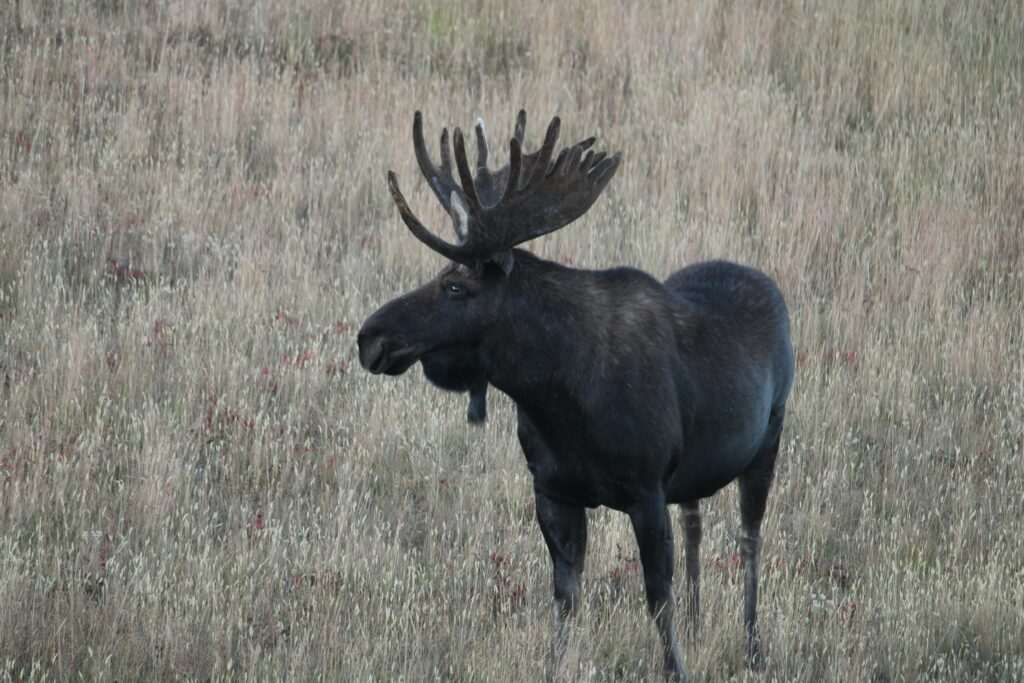
Moose are the animal most visitors are genuinely likely to see. Official Anchorage visitor guidance specifically calls out Kincaid Park, Potter Marsh, and the Chugach Mountains as reliable areas, and that lines up with local experience. In spring and early summer, moose like edge habitat: wetlands, brushy creek bottoms, shady forest margins, and roadside thickets. In late May, Alaska’s wildlife viewing calendar notes that cows can often be seen with calves near muskeg and tall shrubs. That is the season when we slow down on scenic drives and scan the green edges instead of the big open views.
For visitors who want an easy outing, Potter Marsh is one of the best first stops because you can watch a lot of habitat without committing to a long hike. The boardwalk keeps things straightforward, and the wetland setting makes it useful for both moose and birds. If you want to stretch your legs, the coastal side of town and the greenbelts feeding into the Tony Knowles area can also produce sightings, especially in the morning or near dusk when temperatures are cooler.
One important seasonal note: late September and October are rut season. Bulls are impressive then, but they are also less tolerant and more unpredictable. If you see a big bull standing his ground, pinning his ears back, or focusing on you instead of feeding, that is your cue to leave more room immediately. A long lens is the right move; walking closer is not.
Where bald eagle sightings are most likely
Bald eagles are easier to find once you start thinking like a fish. Alaska Department of Fish and Game notes that fish are their main food source, and Southcentral birds often nest near water in old cottonwoods. Around Anchorage, that means salmon streams, marshes, tidal habitat, and shoreline corridors should be high on your list.
Potter Marsh remains one of the best all-around options because the refuge is known for nesting bald eagles as well as waterfowl and other wetland birds. Ship Creek is another strong local pick once salmon are in the system. ADF&G’s seasonal calendar notes that by late August, bald eagles and other fish-eating birds are common along streams feeding on spawned-out salmon, and that pattern carries nicely into Anchorage’s urban fishing corridor. If you want a scenic walk with a chance of seeing birds overhead, the Tony Knowles Coastal Trail also deserves time, especially on clear mornings when the Inlet is active and the light is good for spotting movement.
For birders, spring and fall migration can be especially productive. The state wildlife calendar highlights late August into September as an important raptor migration period along Turnagain Arm near Anchorage. That does not guarantee a sidewalk-level eagle show in town, but it does mean that broader Southcentral travel days can produce more raptor action than many first-time visitors expect.
Bear viewing near Anchorage: be realistic and stay conservative
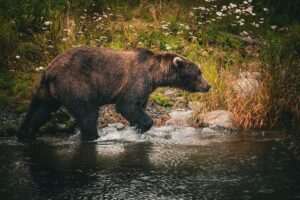
Bears are part of the Anchorage-area ecosystem, but they are not something we recommend actively hunting for on your own. ADF&G’s bear guidance is straightforward: Alaska is bear country, and human behavior matters. Secure food, stay alert, make noise on brushy trails, and carry bear spray if you are heading into places where surprise encounters are possible. The best bear sighting is the one that happens at a safe distance and ends with both you and the bear continuing your day.
If your goal is simply to understand bear country while still having a good outing, the Eagle River side of Chugach State Park is a better fit than randomly driving neighborhoods. Chugach State Park’s recreation guidance notes that wildlife is abundant around the Eagle River Nature Center area, and the park has repeatedly issued seasonal bear-activity alerts on nearby trails during salmon season. In other words: the habitat is real, the wildlife is real, and current conditions matter. Always check day-of alerts before you go.
If you want a more structured wildlife day, booking with a local operator such as Alaska Adventure Guides can make more sense than winging it. Guided outings are especially useful if you want help reading habitat, keeping proper distance, or combining wildlife watching with a broader Southcentral day trip.
Best seasons for wildlife viewing in Anchorage
There is no single best month for everything, which is why we usually tell visitors to choose one priority species and build around that. For moose, late spring through early summer is excellent because cows with calves are visible and vegetation has not fully hidden every movement. For bald eagles, salmon season from mid to late summer into early fall is hard to beat, especially near fish-heavy corridors. For fall drama, September brings moose rut activity and stronger raptor migration along Turnagain Arm.
Winter is quieter for casual wildlife tourism, but it can still be rewarding. Moose remain around town, and easier tracking in snow can make animal presence more obvious even when actual sightings are shorter. If you are visiting outside peak summer, it helps to adjust expectations: focus on quality habitat, slow pacing, and repeated short stops instead of trying to force one big wildlife moment.
Photography and ethical viewing tips
The best wildlife photos in Anchorage usually come from patience, not proximity. Early morning and late evening light is softer, animals move more, and parking areas are calmer. Use a telephoto or zoom lens if you have one, and if you do not, binoculars plus a phone adapter can still be more useful than walking closer. Keep your movements slow, avoid blocking trails or boardwalks, and never call, feed, or try to redirect an animal for a better frame.
If you need extra gear for a day in the field, Alaska Outdoor Gear Rental is a practical local option before you head south toward Potter Marsh or east toward the Chugach front. And if your trip priorities shift from wild sightings to guaranteed animal viewing, Alaska Zoo is the reliable backup for seeing Alaska species without gambling on trail conditions or timing.
Guided vs. independent wildlife viewing
Independent viewing works well in Anchorage because several good habitats are easy to reach by car. Our usual self-guided combination is Potter Marsh for birds and marsh habitat, Ship Creek for salmon-and-eagle energy, and one longer trail or scenic drive depending on the season. That approach gives you multiple habitat types in one day and keeps expectations grounded.
Guided trips are better if you are short on time, uncomfortable in bear country, or hoping to combine wildlife with photography or a larger regional route. Operators such as Alaska’s Finest Tours & Cruises can make more sense for visitors who want transport and local logistics handled, especially when road construction, weather, or seasonal timing narrow the best options.
Final take
Wildlife viewing in Anchorage is at its best when you treat it like a local day outside, not a checklist. Start early, pick the right habitat, watch the edges, and leave plenty of room for every animal you see. If you do that, Anchorage can give you a very real shot at moose in the marsh, eagles over salmon water, and the kind of memorable Alaska sighting that feels earned rather than staged.
Featured photo by Tim Kirkland on Pexels.
No comments yet.