Chasing Frozen Waterfalls Near Anchorage This Winter
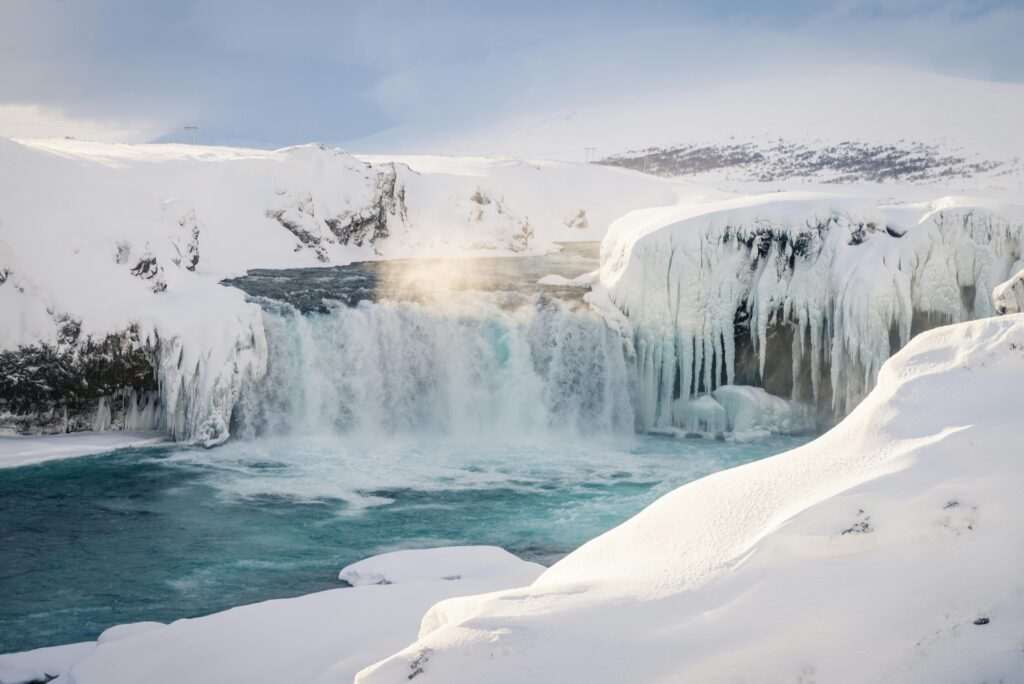
If you live in Anchorage long enough, you start looking at winter a little differently. Instead of waiting for breakup, you learn to lean into the cold snap days when creeks go quiet, canyon walls glaze over, and ordinary summer trails turn into frozen-waterfall walks. The payoff is big: blue ice, hushed forests, and the kind of scenery that feels much farther from town than it really is.
If you want that payoff without committing to a full backcountry mission, these are the winter hikes we point friends toward first. Some are quick and family-friendly, some are better for stronger hikers, and all of them reward good timing, traction, and a little respect for Alaska winter conditions.
1. Thunderbird Falls Is the Easy Win
Thunderbird Falls Trail is the classic answer when someone asks where to see a frozen waterfall near Anchorage without spending half the day in the car. The trailhead sits in Chugach State Park near Eagle River, and the route is short enough that you can squeeze it into a weekday afternoon if daylight allows.
The hike itself is approachable: a mostly mellow forest walk that leads to an overlook of the falls, which drop about 200 feet into a narrow gorge. In deep winter, that whole scene tightens up into blue-white ice and snow-plastered cliffs. It is one of those Anchorage-area outings that feels dramatic well beyond the effort required.
Our local tip: bring microspikes even if the parking lot looks manageable. The packed trail can turn slick fast, especially after a thaw-freeze cycle. Trekking poles help too, but traction matters more. If you are hiking with kids or visiting relatives who are not looking for a sufferfest, this is the safest bet on the list.
2. Winner Creek Delivers Big Scenery, but Check Access First
For hikers willing to drive south toward Girdwood, Winner Creek has that mossy-rainforest-meets-ice-canyon feel that makes Southcentral Alaska so distinctive. In winter, the boardwalks, bridges, and frozen creek edges can be gorgeous, especially on a clear day when fresh snow brightens the whole valley.
There is one important caveat here: as of March 25, 2026, Girdwood’s Lower Winner Creek Trail page still notes that the hand tram is out of commission. That means you should plan this as an out-and-back or confirm your route before you go, rather than assuming the old crossing setup is available. If your goal is a low-stress frozen-waterfall photo mission, that access detail matters.
Winner Creek is a good choice when you want a little more mileage and atmosphere than Thunderbird Falls, but you still want a defined trail. If conditions are firm and you want to build up confidence for steeper winter outings later in the season, this is a smart progression hike.
3. Eklutna Gives You the Big-Day Version
Eklutna is less of a quick waterfall stop and more of a winter valley adventure, but it belongs in this conversation because the glacier-fed landscape freezes into something spectacular. The long route along Eklutna Lake toward the glacier gives you broad mountain walls, hanging ice, and the kind of cold, open scenery that makes every snack break feel earned.
This is the outing to choose when you want space, not crowds. It is also the one on this list where you should be most honest about your pace, daylight, and weather window. In late winter and early spring, the road and trail corridor can still be beautiful, but distance adds up quickly. Think of Eklutna as the bigger, more committing cousin to the easier Eagle River options.
If you want support or prefer not to sort out conditions on your own, local operators like Alaska Adventure Guides can be a better move than guessing your way through a long winter day. Guided help makes even more sense if you are visiting Anchorage and trying to fit outdoor time around a short trip.
What to Bring on a Frozen-Waterfall Hike
Do not overcomplicate this, but do take winter footing seriously. For most near-Anchorage frozen-waterfall hikes, our basic kit is simple: waterproof boots, microspikes, warm gloves, a hat that covers your ears, an insulated layer you can vent easily, and one more warm layer than you think you need. Alaska weather has a habit of punishing optimism.
A small daypack with water, a thermos, and a headlamp goes a long way. Even on short hikes, low-angle winter light disappears sooner than visitors expect. If you are stepping up from beginner routes and want more conditioning before tackling icy terrain, doing a winter lap on Flattop Mountain Trail or a breezy mileage day on Tony Knowles Coastal Trail can help you dial in layering and traction before you commit to gorge-side viewpoints.
How We Decide Which Hike to Do
When locals choose a winter hike, we usually start with one question: what are conditions doing today? Fresh snow after a calm spell can make Thunderbird Falls feel magical. A freeze-thaw mess might make us skip steeper or narrower sections and choose something simpler. Strong winds or poor visibility can also change whether a scenic destination is worth the drive.
That is why the best plan is often a flexible one. Keep one easy option, one moderate option, and one backup coffee-or-lunch plan in your pocket. If the trail turns out to be slicker than expected, there is no shame in turning around early and rewarding yourself with a hot meal at Moose’s Tooth Pub & Pizzeria. Around here, that still counts as a successful winter outing.
Winter Safety Matters More Than the Photo
Frozen waterfalls are beautiful because water keeps shaping the landscape long after temperatures drop, but that same process creates hidden ice, uneven footing, and changing conditions near creeks and overlooks. Stay on the established route, avoid creeping onto unsupported snow near edges, and do not assume a boot track means a trail is safe for your ability level.
If you are new to winter hiking in Alaska, start with Thunderbird Falls, go on a clear day, and treat it like a skills day as much as a sightseeing day. Learn how your boots grip, how warm you stay when you stop moving, and how quickly your phone battery drains in the cold. That knowledge pays off on every bigger hike you do afterward.
The Best Time to Chase Frozen Waterfalls Near Anchorage
In general, midwinter through early spring gives you the most reliable frozen-waterfall experience around Anchorage. December can be excellent when the cold settles in, January and February usually bring the most solid freeze, and March often rewards you with longer daylight while many shaded spots still hold their ice. The sweet spot depends on recent temperatures, snowfall, and whether a thaw has hit lower elevations.
If you can, aim for a bright, cold day after stable weather. Those are the mornings when the trails feel quieter, the light bounces off the canyon walls, and every frozen drip looks carved by hand.
Final Thoughts
Anchorage winter gets a lot more fun once you start chasing specific moments instead of generic scenery, and frozen waterfalls are one of the best excuses to get outside. Start with Thunderbird Falls, level up to bigger days like Winner Creek or Eklutna when conditions line up, and keep your traction handy. The ice does not last forever, but while it is here, it is one of the prettiest shows near town.