Backcountry Skiing Near Anchorage: Earning Your Turns in the Chugach
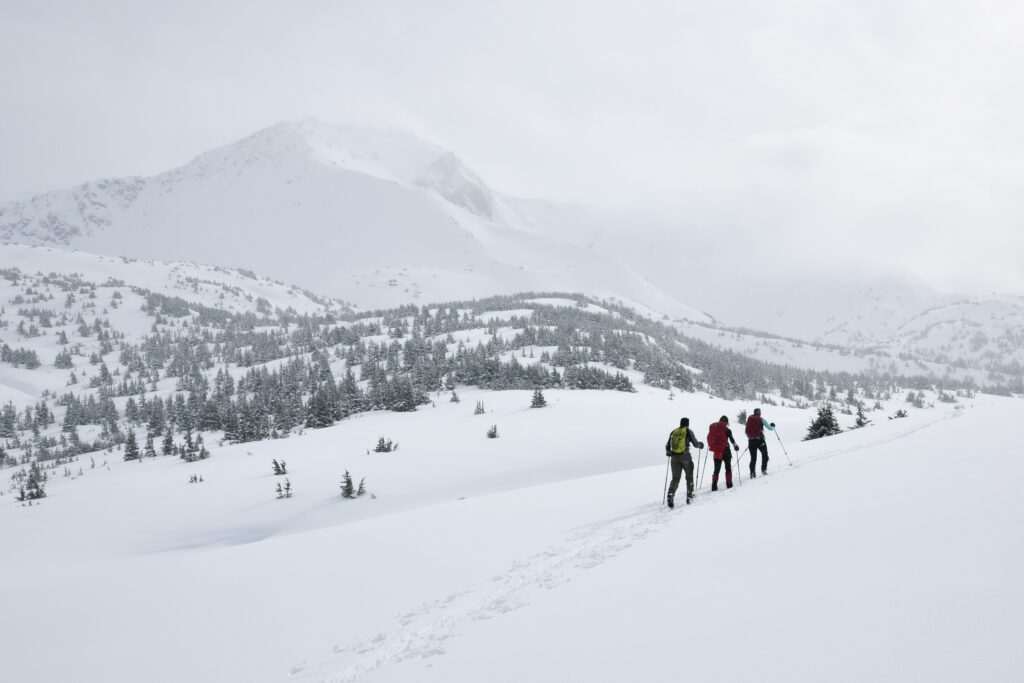
If you spend a winter in Anchorage long enough, the skyline starts to feel less like scenery and more like an invitation. On a clear morning, the Chugach looks close enough to touch, and for backcountry skiers that pull is hard to ignore. The beauty of ski touring near Anchorage is that world-class terrain is not tucked behind a flight or an all-day approach. It is woven into daily life here. You can skin before work at the edge of town, or point the car south and be staring up at bigger alpine lines by breakfast.
What makes our zone special is also what makes it serious. Maritime storms, buried weak layers, wind loading, and fast-moving weather can turn a dream powder lap into a bad decision in a hurry. If you are new to backcountry skiing Anchorage-style, treat this guide as a starting point for choosing zones and planning logistics, not as a substitute for training, a forecast, or a partner who knows what they are doing. If you want a smarter entry point, booking a day with Alaska Adventure Guides is one of the best ways to learn our snowpack and terrain with a margin for error.
Why Anchorage Is a Backcountry Ski City
Few cities in North America have this kind of access. The Anchorage Hillside gives you quick laps and fitness days, Arctic Valley puts alpine terrain within a short drive of downtown, and the bigger Southcentral classics are close enough for day missions. That means locals can match terrain to conditions instead of forcing a plan when the forecast says otherwise.
The other reason Anchorage works is variety. On stormy or touchy avalanche days, you can stay conservative and still get outside. When the snowpack stabilizes and visibility opens up, you can aim for larger objectives in Turnagain Pass or Hatcher Pass. That flexibility matters here, because the best ski tour is often the one that respects the conditions you actually have, not the line you hoped to ski three days ago.
Where Locals Earn Their Turns
Turnagain Pass for classic Chugach touring
If you ask Anchorage skiers where they head when the forecast lines up, Turnagain Pass usually comes up first. The zone has straightforward highway access, a deep menu of terrain, and enough options to keep people coming back for years. Tincan, Sunburst, Seattle Ridge, Magnum, and the surrounding drainages offer everything from mellow powder tours to bigger, more committing descents.
The appeal is simple: you can leave Anchorage early, skin from one of the Seward Highway pullouts, and be moving through broad subalpine terrain not long after sunrise. It is still real backcountry, though. Popular does not mean forgiving. Turnagain is the place to check the avalanche advisory before you leave town, look at recent observations, and make a clean call on whether you are sticking to low-angle terrain or stepping into something steeper.
Hatcher Pass for bigger feel and spring missions
Hatcher Pass sits farther from Anchorage, but plenty of skiers make the drive when they want a broader alpine feel and longer tours. The terrain around Gold Mint, Fishhook, and the west-side access points can deliver exactly the kind of leg-burning, grin-inducing day that keeps your skins drying by the heater overnight.
Hatcher also rewards patience. In lean or windy periods it can feel scoured, but once coverage improves and the weather settles, the place opens up in a big way. Spring is especially good for long corn laps and more predictable travel windows. If you are going north from Anchorage, leave early and expect a longer day than your average Hillside tour.
Arctic Valley for close-to-town alpine access
Arctic Valley is the quick-hit answer when you want alpine terrain without the Seward Highway drive. It is one of those Anchorage advantages visitors do not fully believe until they see how close it is to town. You can get above treeline fast, stack fitness laps, and still make it back for a late lunch.
That convenience does not remove the avalanche problem. Wind can hammer this zone, visibility can disappear quickly, and route choices matter the second you step outside controlled ski area boundaries. Think of Arctic Valley as accessible, not casual. It is a strong option for experienced locals, guided days, and ski mountaineering events, but it still demands disciplined decision-making.
Flattop’s north side for short, serious laps
The Flattop Mountain Trail is better known as Anchorage’s iconic summer hike, but the broader Glen Alps and Hillside zone is part of many local skiers’ winter rhythm. When conditions are right, the north side of Flattop and nearby terrain can offer quick laps close to town. When conditions are not right, it can be a very efficient way to get yourself into avalanche terrain you underestimated.
This is not where we send people just because they want a fast tour. The parking is easy, the access is short, and that convenience can make people sloppy. If you ski here, go in with a specific plan, a clear turnaround point, and enough humility to bail the moment the snowpack tells you to.
Avalanche Safety Is the Whole Game
If you only remember one thing from this guide, make it this: the Chugach does not care how fit you are, how expensive your setup is, or how badly you want powder. Beacon, shovel, and probe are the bare minimum, not the advanced kit. Every person in your group should know how to use them quickly, not just own them.
Formal training matters here. An AIARE or equivalent level-one course gives you a framework for terrain selection, rescue practice, and group communication before you are making decisions in consequential terrain. Anchorage skiers also rely heavily on the daily advisory and weather network from the Chugach Avalanche Center, because small changes in wind and loading can reshape the day. If the forecast reads over your head, that is your answer.
Good habits are boring on purpose: travel one at a time through suspect terrain, watch your partners, keep transitions organized, and talk through your plan before the skins go on. If you are feeling rushed, underprepared, or tempted to follow an existing skin track without understanding where it leads, slow the whole day down.
When Conditions Are Usually Best
Backcountry ski season near Anchorage can start in midwinter, but the sweet spot usually comes later, once coverage deepens and daylight returns. Late February through April is often the most reliable window for touring around Anchorage, Turnagain Pass, and Hatcher Pass, with March and April giving you a better balance of snowpack, light, and travel efficiency.
That does not mean every March day skis well. Warm storms, strong winds, rain crusts, and persistent weak layers all show up in Southcentral Alaska. One week can hand you blower powder, and the next can push you toward cautious meadow skipping or a full rest day. The best local mindset is to plan loosely and choose your objective after checking the latest advisory, weather, and recent observations.
Logistics That Make the Day Better
Start with a conservative turnaround time and build your plan around daylight, not just distance. Keep extra gloves, a puffy, warm drinks, and dry layers in the car because Anchorage ski days often begin or end in a parking lot with cold wind in your face. If you are driving south to ski, leave enough buffer for road conditions on the Seward Highway. If you are heading north to Hatcher, treat the drive as part of the mission, not an afterthought.
If your crew includes people who are not touring, consider making the ski day part of a broader Chugach experience. A scenic flight with Alaska Helicopter Tours can put the scale of the range into perspective without committing everyone to skins and avalanche gear. And when the boots finally come off, Glacier Brewhouse remains one of our favorite places to trade stories over a solid meal and thaw out after a cold day in the mountains.
The Local Take
Backcountry skiing near Anchorage is special because it gives you choice. You can chase a huge day in Turnagain, put in a training lap near town, or keep things mellow and still come home feeling like you touched something wild. That variety is the gift. The responsibility is matching your ambition to the conditions in front of you.
Do that well, and earning your turns in the Chugach starts to feel like one of the best parts of living here or visiting in winter. Start small, stay honest, keep learning, and let the mountains hand you the bigger days when they are ready.
Featured photo by Paxson Woelber on Unsplash.