
Silk Painting Classes and Workshops in Anchorage: Scarves, Dyes, and Resist Techniques
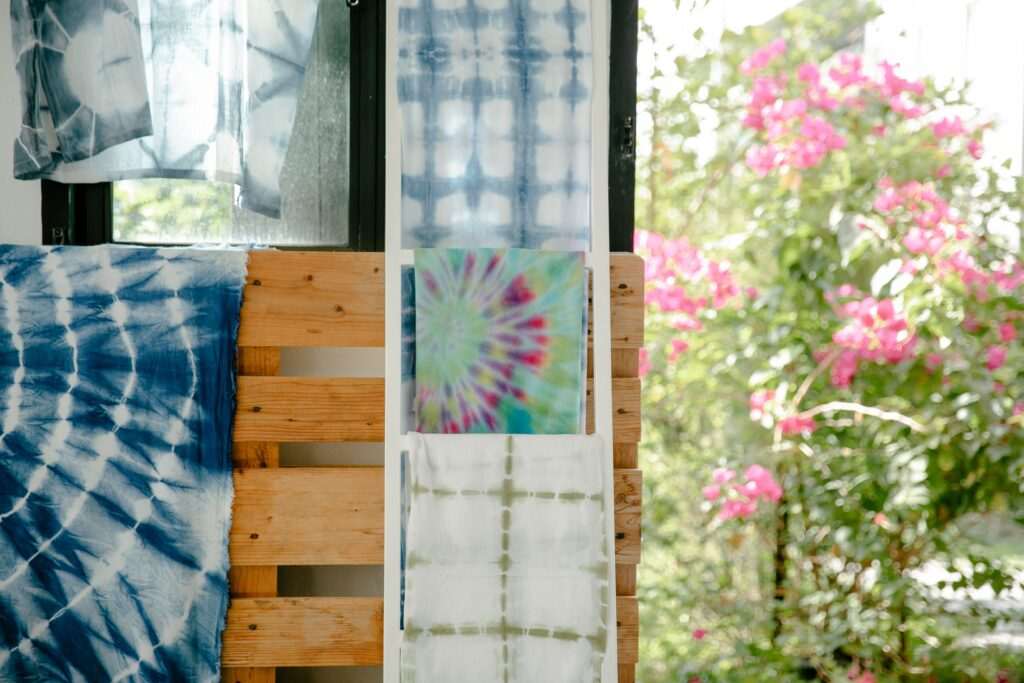
Silk painting combines the luminous translucency of silk with the vibrancy of specialized dyes to produce works of extraordinary color intensity — the dyes penetrate and bond with the silk fiber, and light passing through the fabric from behind creates a stained-glass quality that no opaque medium can replicate. The craft draws on traditions from Japan, China, France (where serti technique — resist-based silk painting — developed as a high craft), and India, and contemporary silk painting ranges from wearable art (painted scarves, kimono panels, garments) to gallery-quality framed panels. In Anchorage, silk painting workshops have attracted practitioners interested in both wearable art and fine textile work, and Alaska’s visual vocabulary — the translucent quality of glacier light, the vibrant colors of fireweed and lupine, the luminous aurora — maps particularly well onto silk painting’s aesthetic strengths. A hand-painted silk scarf with an Alaska wildflower or aurora palette is a genuinely distinctive handmade object with fine-art quality. This guide covers silk types, resist techniques, dye types, wet-on-wet vs. dry painting, heat setting, and project ideas for 2026.
Silk Types
The silk weave determines the surface quality, dye uptake, and drape of the finished piece:
- Habotai (China silk): The lightest, most affordable, and most widely available silk for painting — a plain-weave fabric with a smooth, even surface that accepts dye readily and allows free flow of wet dyes. Habotai’s light weight means dyes move quickly across the surface in wet-on-wet work, which is both its beauty and its challenge: colors travel far and fast, requiring confident, decisive application. Standard for beginner silk painting workshops. Available in 5mm (very sheer, for fine detail work), 8mm (the standard workshop weight), and 10mm (slightly more substantial).
- Charmeuse: A satin-weave silk with a lustrous, liquid drape and a glossy face with a matte back. Charmeuse is more challenging to paint on than habotai because its surface has uneven dye absorption between the satin-face and matte-back structures, but the finished result — a garment or scarf in painted charmeuse — has an extraordinary wearable quality. Used primarily for garment silk painting by more experienced practitioners.
- Crepe de chine: A medium-weight silk with a slightly textured, crinkled surface produced by a crepe twist in the yarn. The texture holds dye in a slightly different pattern than smooth habotai, producing more visual complexity in the paint surface. More expensive and less forgiving than habotai for beginners, but beautiful for framed panel work and quality scarves.
- Silk noil and dupioni: Textured, heavier silks with slubbed or nubby surfaces. These don’t work well for the fluid, flowing techniques most silk painting uses — better suited to resist-heavy, controlled color placement where the texture adds character rather than fighting the technique.
Resist Techniques
Resist in silk painting defines boundaries between color areas, preventing dye from flowing between sections:
Gutta Resist
Gutta (a natural latex-based resist) is the most precise silk painting resist — applied from a bottle or tube with a fine-tip applicator along design lines, it creates a physical barrier that wet dyes can’t cross. Drawing gutta lines that connect at every junction (no gaps or breaks) keeps each color section isolated. The gutta must penetrate completely through the silk to seal the barrier; underpenetrated gutta allows dye seepage under the resist line. Gutta comes in clear (invisible in the finished piece), gold, silver, and black — the metallic and black guttas leave a visible decorative line as part of the design.
After painting and heat setting, gutta is removed by dry cleaning or by rinsing with a solvent (for solvent-based gutta) or water (for water-based gutta). Some practitioners use permanent black gutta that remains as a design element (similar to lead came in stained glass).
Wax Batik Resist
Melted wax (paraffin, beeswax, or a mixture) applied with a brush or tjanting tool (a small metal cup on a handle used for fine-line wax application) to silk blocks dye in the waxed areas. After painting and drying, the wax is removed by sandwiching the silk between newsprint and pressing with a hot iron (the newsprint absorbs the melted wax). Wax batik produces a characteristic “crackle” effect where thin cracks in the wax allow dye penetration in fine irregular lines — a distinctive aesthetic element. The process requires careful temperature management of the wax (too hot produces smoking and fire risk; too cool produces thick, ineffective application).
Water Resist
Water resist (sold as Seta Silk resist or Jacquard Water-Soluble Resist) produces a water-soluble barrier similar to gutta that’s removed by rinsing in water after the dye has been heat set. Less permanent than gutta and requiring more careful handling (it softens if the painted areas get very wet), water resist is the most beginner-friendly option for serti-technique work.
Dye Types
Two dye systems are standard for silk painting:
Acid dyes (the general category that includes Jacquard Acid Dyes, Sabraset, and professional dye lines) bond permanently with protein fibers (silk, wool) through an acid fixation process. The color range is extensive, the color vibrancy exceptional, and the wash-fastness excellent when properly fixed. Acid dyes require steaming to fix permanently — the steam process sets the dye in the fiber so it won’t bleed or fade in washing. Steaming requires a steamer (a large pot with a rack, wrapped tightly to contain steam) and careful attention to condensation management (water dripping onto the silk creates permanent spots).
Jacquard Dye-Na-Flow and similar iron-set dyes fix with heat from a household iron or a heat press, eliminating the need for steaming. They’re less intense than acid dyes and not quite as wash-fast, but the convenience of iron setting makes them the standard for beginner workshops. Dharma Trading and Jacquard Textile Colors both produce excellent iron-set silk dyes in wide color ranges.
Wet-on-Wet vs. Dry Techniques
Silk painting technique divides into the same categories as watercolor:
Wet-on-wet involves pre-wetting the silk (with water or a water-and-alcohol mixture that slows dye flow) before applying dye, allowing colors to bloom and blend softly at their edges. The technique produces the atmospheric, gradient-heavy aesthetic most associated with silk painting — colors transition seamlessly, backgrounds glow, and the fluid nature of the dyes creates organic, unpredictable forms. Aurora palettes in wet-on-wet silk painting produce results of remarkable beauty.
Dry technique applies dye directly to dry silk within gutta-outlined cells. The gutta barriers contain the dye, and the dry surface produces more controlled, saturated color without the soft edge blending of wet-on-wet. Precise design work, figurative imagery, and patterns with clear color boundaries use dry technique within gutta cells.
Steaming and Washing
After painting, dyes must be heat set before the silk is washed. Iron-set dyes: press with a hot iron (cotton setting) for the time specified by the dye manufacturer. Steam-set acid dyes: roll the dried painted silk in paper, place in a steamer, and steam for 30–60 minutes. Allow to cool, then rinse gently in cool water with a tiny amount of mild detergent to remove unfixed dye, then rinse until the water runs clear. Hand wash only for finished silk pieces.
Projects: Scarves and Wall Hangings
Silk scarves are the most popular silk painting project in Anchorage workshops — an 8mm habotai scarf painted with a wet-on-wet aurora palette or a gutta-outlined Alaska wildflower design — fireweed, wild iris, and lupine gathered from Kincaid Park meadow trails make particularly vivid subject matter — produces a functional, beautiful piece with genuine wearable art quality. Wall hangings on stretched silk panels framed in a simple bamboo or wood mount display the translucency and depth that makes silk painting unique among textile arts.
Silk Painting Workshops in Anchorage
Anchorage silk painting workshops typically run 3–4 hours, covering either wet-on-wet technique on a pre-hemmed scarf or serti gutta technique on a small panel. Alaska landscape and botanical subjects — fireweed fields, glacier horizons, aurora compositions — appear consistently as design templates and inspirations in local workshop curricula. The Anchorage Museum‘s collections and rotating exhibitions are a strong resource for Alaska-specific color palette and design inspiration for silk painting subjects.
Workshop prices run $55–$95, with silk, dyes, resist, and application tools included. A starter silk painting kit (a yard of 8mm habotai, Dye-Na-Flow dyes in three to five colors, and water-based resist) costs $35–$60 and enables several practice and project sessions. Our free things to do in Anchorage guide covers the fiber arts events and galleries — including the Anchorage Market & Festival, where silk painters and textile artists regularly sell their work — where Anchorage silk painters exhibit and connect with the broader handmade arts community. Our Anchorage hiking guide covers the wildflower meadows, glacial landscapes, and aurora-watching locations that provide the most powerful visual source material for Alaska-specific silk painting.
Photo by Anna Tarazevich on Pexels.




No comments yet.