
Alaska Wild Food Preservation 2026
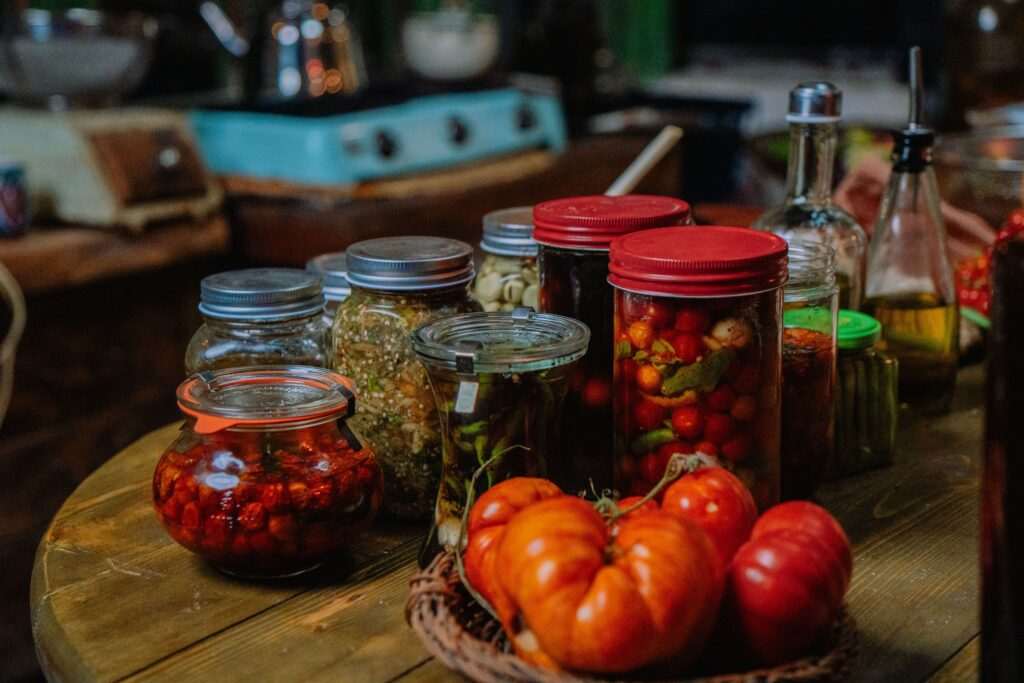
Alaska’s subsistence food culture runs deep enough that preservation isn’t a hobby — it’s how communities have survived winters for thousands of years. Smoking salmon over alder, canning halibut in mason jars, rendering bear fat, fermenting seal meat in traditional buried containers, drying moose strips on racks in the September wind: these practices connect contemporary Alaskans to a food tradition that predates refrigeration by millennia. The modern Alaska wild food preservation movement brings together Indigenous subsistence knowledge, homesteader skills, and the growing national interest in fermentation and food autonomy into a set of practices that are accessible to anyone willing to invest the time. This guide covers the methods, species, and resources for wild food preservation in Alaska in 2026.
Salmon: The Foundation of Alaska Preservation
Five species of Pacific salmon run Alaska’s rivers and streams, and the overlap between peak runs and the September berry harvest creates the most intense food preservation season of the Alaska year. Sockeye (red salmon) is considered the premium canning and smoking species for its high oil content and firm flesh; kings (Chinook) are prized for their fat content and smoke beautifully; pinks and chums work well in large-batch canning; coho (silver) are versatile across methods.
Hot-smoking is Alaska’s most common salmon preservation method. A basic alder-smoked salmon requires: cleaned fillets dry-brined with salt and brown sugar for 8–12 hours, rinsed and air-dried until tacky (the pellicle that smoke adheres to), then smoked at 200–225°F for 4–8 hours depending on thickness. The result is a shelf-stable product if smoked to an internal temperature of 145°F throughout, though most Alaska homesteaders freeze hot-smoked salmon rather than relying on it as shelf-stable without a second preservation step.
Pressure canning salmon is the alternative for long shelf life without refrigeration. Alaska Cooperative Extension (UAF) maintains tested and approved canning recipes specifically for Alaska fish species — these aren’t optional guidelines, they’re safety protocols that prevent botulism risk in low-acid canned protein. Their fish canning bulletin is the authoritative resource and is available free on the UAF Cooperative Extension website.
Smoking Fish Beyond Salmon
Halibut smokes differently from salmon — its lower fat content means it dries faster and can become too dry if smoked using the same protocol as sockeye. A shorter smoke time at lower temperature with a brine that includes a small amount of oil works better for halibut. Smoked black cod (sablefish) is considered a delicacy and benefits from its extremely high fat content — it’s difficult to over-smoke and produces some of the richest smoked fish available anywhere. Herring, eulachon (hooligan), and smelt can all be smoked; eulachon in particular have been used as a smoke and grease preservation staple by Alaska Native coastal communities for centuries.
Berries: Jam, Jelly, and Fermentation
Alaska’s wild berry season runs roughly July through September depending on species and elevation. Highbush cranberries, blueberries, salmonberries, cloudberries (akpiks), lowbush cranberries (lingonberries), crowberries, watermelon berries, and nagoonberries are all available to foragers willing to learn species identification. Our Anchorage hiking guide covers the trail corridors — including Kincaid Park‘s forest margins and the Chugach foothills, where blueberries, high-bush cranberries, and watermelon berries are reliably abundant — where berry picking is most productive near the city.
Traditional jam and jelly canning is the most straightforward berry preservation method. Alaska berries tend to have high pectin content (especially highbush and lowbush cranberries), which means some varieties gel naturally with minimal added pectin. Water-bath canning is appropriate for high-acid berry products; the UAF Cooperative Extension publishes Alaska-specific tested recipes that account for altitude adjustments relevant to most Southcentral Alaska locations.
Fermented berry products are less common in commercial Alaska food culture but have deep Indigenous roots. Akutaq (“Eskimo ice cream”) traditionally combines rendered animal fat, berries, and sometimes fish — the fermentation component varies by community and family tradition. Contemporary fermenters are also experimenting with lacto-fermented Alaska berry products (fruit kvass, berry shrubs, fermented cranberry condiments) that don’t require animal fat and are accessible to anyone with basic fermentation knowledge.
Wild Greens: Drying and Fermenting
Alaska’s edible wild plants offer preservation options beyond berries. Fireweed leaves and shoots (best when young in spring) dry well and make a mild herbal tea. Sour dock (Rumex arcticus), used across Western Alaska as a preserved food, is traditionally fermented in seal oil or rendered fat to create a soured green that lasts through winter. Spruce tips — the bright green new growth that appears on Sitka and white spruce in May and June — are high in vitamin C and can be dried, infused into syrups, fermented into spruce tip kvass, or pickled in brine.
Beach greens and sea plantain that grow in coastal intertidal areas (also excellent fresh) can be dried or pickled for preservation. The seaweed species accessible from Southcentral Alaska (bull kelp, ribbon kelp, sea lettuce) dry particularly well and store for months without refrigeration — a dried kelp flake can serve as both seasoning and a mineral supplement through the winter.
Learning Wild Food Preservation in Anchorage
The University of Alaska Fairbanks Cooperative Extension Service maintains an Anchorage office and runs periodic food preservation workshops covering safe canning, smoking, and fermentation methods. These workshops are the most reliable route to learning pressure canning safely — the consequences of improperly processed low-acid canned foods are serious enough that learning from a tested source matters.
The Alaska Native Heritage Center and Alaska Native tribal organizations periodically offer traditional food knowledge sharing events that include preservation demonstrations — these are culturally grounded contexts for learning methods that have sustained communities for generations. The Anchorage Native Arts & Culture Festival also includes traditional food demonstrations and cultural knowledge sharing that connect wild food preservation to Alaska’s living Indigenous traditions. Our free things to do in Anchorage guide covers the cultural centers and community events where food knowledge sharing most often surfaces.
Equipment for Getting Started
Wild food preservation doesn’t require a significant equipment investment to get started. A pressure canner (the All-American or Presto models are workhorses with decades of use) costs $100–$250 and handles most fish and meat canning needs. A dedicated smoker (pellet, electric, or traditional barrel) runs $200–$600 depending on capacity and fuel type; a basic kettle grill with a cold smoke adapter can work for starter experiments at much lower cost. Dehydrators ($50–$200) handle berry and herb drying effectively. None of this is specialty Alaska equipment — the tools are standard homesteading gear available at any Anchorage hardware or outdoor store. The South Anchorage Farmers Market is worth visiting for locally grown produce, Alaska-raised meats, and connections with the Anchorage homesteading community that shares expertise in preservation methods.
Photo by Anhelina Vasylyk on Pexels.


No comments yet.