
Alaska Cruise Planning from Anchorage 2026: Ports, Pre-Cruise Stays & Logistics
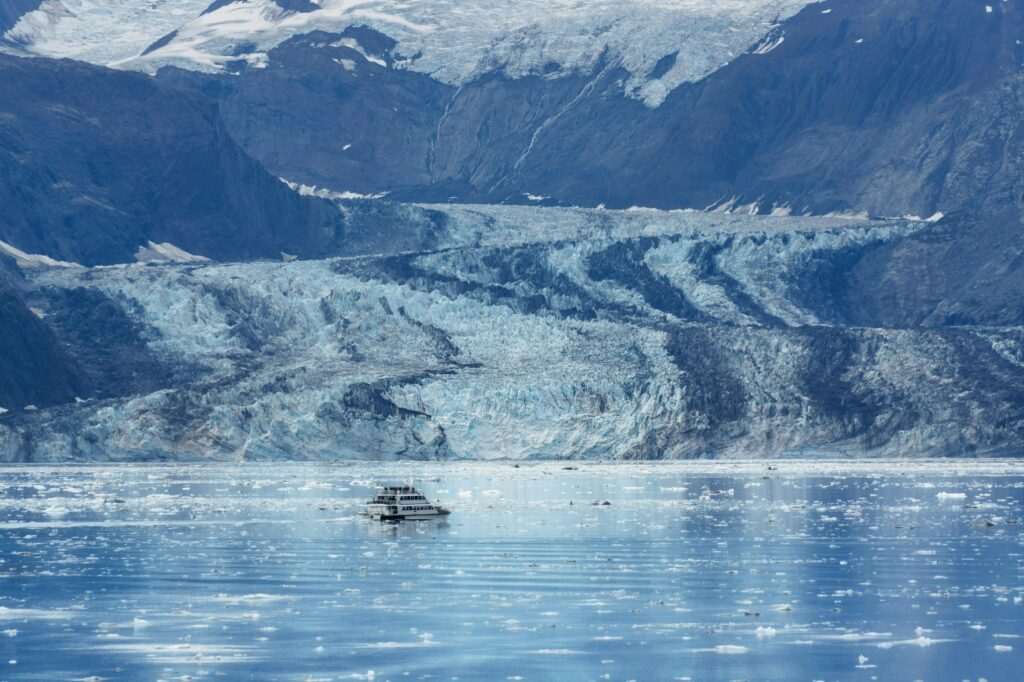
Anchorage isn’t an Alaska cruise port — ships don’t dock here — but it’s the logistical hub for most Inside Passage and Gulf of Alaska cruises. The two main embarkation ports used by major cruise lines, Seward and Whittier, are both within two hours by road or rail, and most cruise passengers arriving by air land at Ted Stevens Anchorage International Airport. That geography creates a natural window: one to three days in Anchorage before boarding or after disembarking. This guide covers everything you need to plan that transition efficiently, from port logistics and transfer options to what’s worth doing with the time you have on either end.
Alaska’s Two Main Cruise Embarkation Ports
Nearly all Alaska cruise itineraries that begin or end on the Gulf of Alaska side use one of two ports: Seward or Whittier. Both are accessed from Anchorage via the Seward Highway and Turnagain Arm, one of the most scenic drives in the state regardless of whether you’re in a bus, a rental car, or a train car.
The choice of port is determined by your cruise line and itinerary, not by you — check your booking confirmation to confirm which port your ship uses. Seward handles the largest ships and is the primary embarkation point for lines including Princess, Holland America, Norwegian, Celebrity, and Royal Caribbean on their Gulf of Alaska routes. Whittier is used by some smaller ship operators and occasionally for one-way repositioning cruises. Knowing which port you’re using shapes the rest of your logistics planning significantly.
Seward: The Primary Embarkation Port
Seward sits about 125 miles south of Anchorage at the northern end of Resurrection Bay, where the Kenai Fjords meet the Gulf of Alaska. The drive takes 2 to 2.5 hours on the Seward Highway, which hugs Turnagain Arm before cutting through the Kenai Mountains — it’s a memorable drive in its own right, with bore tide views, beluga whale sightings, and Dall sheep on the cliffs above the road.
Seward’s small-boat harbor and cruise dock handle major cruise ships during the Alaska season, which runs roughly May through September. On embarkation days, the harbor is busy but well-organized. Cruise lines typically arrange motorcoach transfers directly from Anchorage hotels to the Seward dock; these depart in the morning and coordinate with ship boarding times. The Alaska Railroad’s Coastal Classic route also connects Anchorage to Seward, running daily in summer and operated in partnership with Princess Cruises — it’s a scenic alternative to the bus and doubles as a worthwhile activity in itself.
Seward is also the gateway to Kenai Fjords National Park, home to calving glaciers, sea otters, orca, and humpback whale. If you’re arriving in Seward a day early, a half-day boat tour into the national park is one of the best uses of any pre-cruise afternoon in Alaska.
Whittier: The Alternative Embarkation Point
Whittier is the closer of the two ports — about 60 miles southeast of Anchorage, or just under an hour’s drive — but getting there requires passing through the Anton Anderson Memorial Tunnel, a single-lane shared rail-and-road tunnel that alternates direction on a schedule. The tunnel runs on a roughly 30-minute cycle; missing your window means waiting for the next opening, which matters for anyone trying to make a ship departure. Check the tunnel schedule at the Whittier tunnel website and plan to arrive at the tunnel entrance at least 30 minutes before your target opening.
Whittier as a town is unusual by any measure — most residents live in a single high-rise building originally constructed by the U.S. Army. The port area itself is functional and compact. Portage Glacier Cruises operate from nearby Portage Lake, making a glacier side trip feasible if you’re passing through the area with extra time before reaching the tunnel.
Getting from Anchorage to Seward
You have three practical options for the Anchorage–Seward leg:
- Cruise line motorcoach transfer — The simplest option. Your cruise line sells direct transfer service from Anchorage hotels (or the airport) to the Seward dock. It’s convenient and timed to ship boarding windows, but offers no flexibility for stops along the way. Book through your cruise line when purchasing excursions.
- Alaska Railroad Coastal Classic — Operates daily in summer between Anchorage’s rail depot and Seward, with a departure time designed to connect with embarkation schedules. The Chugach mountain and coastal scenery from the train is excellent, and Princess Cruises operates its own dome cars on this route. A stronger experience than a bus window, at a comparable price.
- Self-drive rental car — Gives you full flexibility to stop along the Seward Highway for wildlife viewing, the Alaska Wildlife Conservation Center, or the Portage Valley. You’ll need to arrange one-way rental car returns in Seward if you’re not coming back, which carries additional fees — plan this in advance. Alaska Wildlife Conservation Center, about 50 miles south of Anchorage, is worth the 45-minute detour if you’re driving and have time: bison, musk ox, brown bears, caribou, and other large Alaska species in a well-run roadside facility.
Getting from Anchorage to Whittier
The drive to Whittier requires no transfers — it’s a straightforward highway drive with the tunnel passage as the only logistical complication. Shuttle and private transfer services from Anchorage hotels to Whittier are available through several operators if you prefer not to drive. Alaska’s Finest Tours & Cruises handles transfers and custom tour arrangements for cruise passengers throughout the Anchorage–Seward–Whittier corridor and is well-positioned for groups or travelers who want guided logistics support rather than self-navigation.
Pre-Cruise Anchorage: Making the Most of 1–3 Days
Most cruise passengers arrive in Anchorage one to two days before embarkation to manage jet lag and avoid the risk of delayed flights on travel day. That buffer creates an opportunity to see the city properly rather than just passing through.
For orientation and planning, the Visit Anchorage Log Cabin Visitor Information Center on 4th Avenue downtown is a useful first stop — staff there know what’s running, what’s seasonal, and how to calibrate your remaining hours between city highlights and departure prep.
A one-day Anchorage itinerary for cruise passengers typically includes: downtown waterfront and the Tony Knowles Coastal Trail in the morning; the Anchorage Museum at Rasmuson Center (Alaska history, art, and the Smithsonian Arctic Studies Center) midday; and a drive out to the Flattop Mountain area for evening mountain views if weather cooperates. The Port of Alaska Cruise Terminal area and Ship Creek are also worth a short walk — the downtown orientation helps you understand Anchorage’s layout relative to Cook Inlet and the surrounding mountains.
Two-day visitors can add a full-day road trip down the Seward Highway, stopping at Portage Glacier, possibly catching a wildlife tour at the Alaska Wildlife Conservation Center, and continuing to the Seward waterfront for a meal at a harbor seafood restaurant before the return drive. This also serves as an advance reconnaissance of the route you’ll take on embarkation day.
Hotels Near Cruise Transfer Points
For cruise passengers, the most practical accommodations are in downtown Anchorage, within walking distance of the cruise line motorcoach pickup points (typically clustered near the major hotels on 4th Avenue and K Street). Hotel Captain Cook is the flagship downtown property — a three-tower landmark dating to 1965 with views of Cook Inlet and the Alaska Range. It sits directly in the motorcoach pickup zone and is the hotel most major cruise lines list as a default transfer starting point. Mid-range downtown options are plentiful in the same area; proximity to the pickup zone matters more than the specific hotel for cruise passengers with early departure coaches.
Travelers departing from Whittier might consider staying closer to the highway exit, in the Girdwood or Portage Valley area — though accommodation options there are more limited, and most cruise lines still route their transfers through downtown Anchorage regardless.
Post-Cruise Anchorage Add-Ons
Passengers disembarking in Seward or Whittier and returning to Anchorage for outbound flights have a different calculus. Most cruises arrive in port in the morning, making afternoon flights from Anchorage feasible if transfers are pre-arranged, but tight. If your flight is evening or the following day, that creates real time for post-cruise exploration.
Common post-cruise extensions from Anchorage include: a two-day Denali excursion via the Alaska Railroad Denali Star service (Anchorage to Talkeetna to Denali, returning the same route), a drive up the Glenn Highway to the Matanuska Glacier and Wrangell-St. Elias country, or simply an extra day in Anchorage for shopping, restaurants, and the neighborhoods south of downtown that most cruise packages skip entirely.
Luggage Logistics
Alaska-cruise-specific luggage considerations: cruise lines typically allow bags to be tagged and taken directly to the ship from your Anchorage hotel if you use their motorcoach transfer. Confirm this with your cruise line — it’s standard for Princess and Holland America, but procedures vary. If you’re self-driving or using an independent transfer, you’ll manage your own luggage to the terminal.
For passengers with checked luggage arriving at Ted Stevens airport and connecting to an early morning departure, many downtown Anchorage hotels offer early check-in or luggage storage — call ahead to confirm. The airport also has luggage storage near baggage claim for layover passengers.
Packing for Alaska Cruise + Anchorage
Alaska cruises run considerably colder than Caribbean cruises, even in July. A typical Alaska cruise packing list overlaps significantly with what you’ll want for walking Anchorage: waterproof outer layer, insulating mid-layer, fleece or down for evenings, and waterproof footwear. Ship-specific formal nights vary by cruise line — check your line’s dress code policy, but most Alaska cruise lines are business casual rather than black-tie even on formal evenings. Binoculars are heavily used on Alaska cruises for glacier, whale, and mountain viewing from deck — worth packing or purchasing before you board.
One Day in Anchorage: What Not to Miss
If you have only one day before or after your cruise, prioritize based on your interests. For natural scenery: drive to Flattop Mountain trailhead or the Coastal Trail waterfront. For Alaska history and culture: the Anchorage Museum is the single best use of a museum afternoon in the city. For wildlife: the short drive to the Alaska Wildlife Conservation Center on the Seward Highway pays off disproportionately for the time invested. For food: downtown Anchorage has reliable Alaska seafood options at the harbor restaurants and along 4th Avenue. The Log Cabin visitor center staff can point you toward current picks based on what’s open during your visit window.




No comments yet.