
Camping Near Anchorage 2026: Best Campgrounds & Backcountry Sites
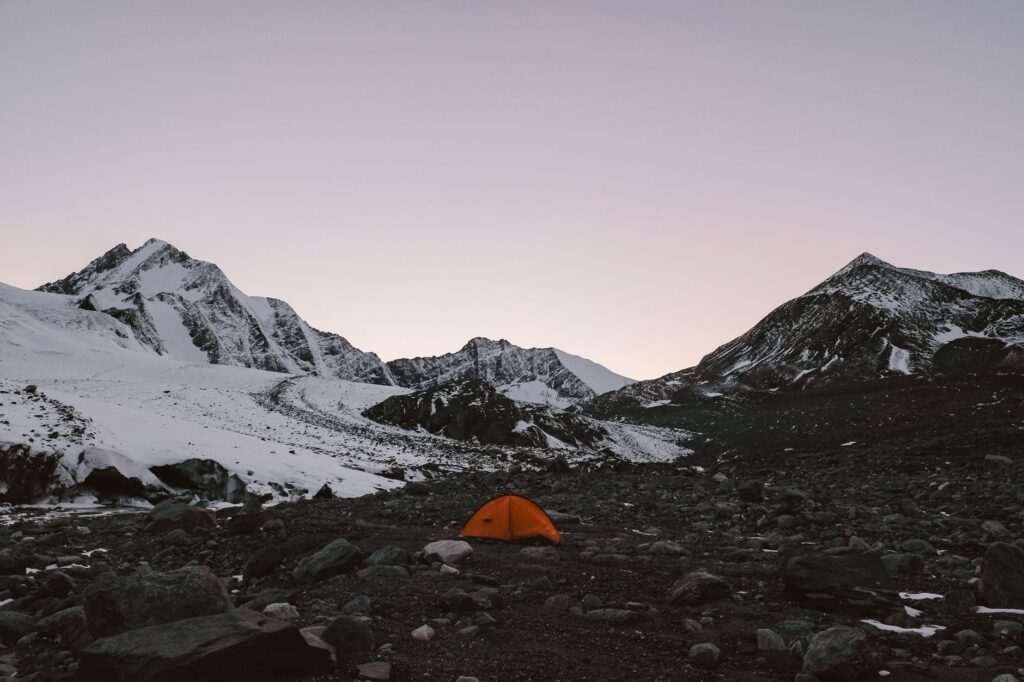
Within two hours of Anchorage, the camping landscape shifts from city-edge convenience sites to genuine wilderness — glacier-fed rivers, alpine lake shorelines, and Chugach Mountain ridgelines that hold snow through June. The range of options is unusually wide for a city this size: a campground 30 minutes from the airport that backs against Turnagain Arm, a state park with 50 sites at the foot of a 26-mile lake, and free dispersed sites on Chugach National Forest land that require no reservation and no fee. Here’s how to navigate it.
Within 1 Hour of Anchorage
Bird Creek Campground (Mile 101, Seward Highway)
Twenty-eight sites on the shore of Turnagain Arm make Bird Creek one of the most scenic campgrounds in Alaska’s road system. The Arm stretches to the west, the Chugach peaks rise behind camp, and in August the creek runs with silver salmon — spin fishers work the lower stretch from shore while campers brew coffee a hundred feet away. Sites accommodate tents and RVs; bear boxes are provided at each site. Fee is $18 per night through Chugach National Forest. The Bird Creek Trail departs nearby and climbs into alpine terrain above the Arm for a worthy half-day out of camp. Reserve through recreation.gov — summer weekends fill fast, and July–August reservations three to four months ahead aren’t excessive.
Eklutna Lake Campground (Eagle River)
Fifty tent sites at the foot of a 26-mile lake, ringed by mountains on three sides, managed by Alaska State Parks at $20 per night through reserveamerica.com. The setting is legitimately spectacular — on clear mornings the Eklutna Glacier at the upper end of the lake is visible from camp. Kayak rentals operate near the campground access road, making a morning paddle on the lake a natural extension of any stay. Bears are active in the area year-round; use the provided bear boxes without exception. The trail along the lake’s north shore runs the full length for hikers.
Eagle River Campground (Chugach State Park)
Fifty-seven sites within Chugach State Park, close to the Eagle River Nature Center and the Albert Loop Trail system. The Eagle River runs through the corridor, and the park’s full backcountry trail network is accessible from here — making this the best base-camp option for anyone whose primary goal is hiking the park interior. The Chugach State Park Campgrounds system includes several sites in this area; fee is $20 per night. Bears frequent the river corridor during salmon runs — food storage protocol is non-negotiable.
Centennial Campground (Anchorage)
Eighty-eight sites including full-hookup RV pads, five minutes from Ted Stevens Airport. Centennial lacks the wilderness backdrop of the other sites on this list, but it fills a genuine need: arriving late off a red-eye, staging for an early departure, or needing city amenities alongside a camping base. Fees run $25–$35 per night. Best used for the first or last night of a longer trip rather than as a destination in itself.
1–2 Hours from Anchorage
Bertha Creek Campground (Mile 65, Seward Highway)
Twelve sites, first-come first-served, $16 per night within Chugach National Forest. Small, quiet, and positioned near the best fly-fishing access along the Seward Highway corridor. Arrive by Thursday for weekend stays; weekday visits are manageable without reservations through most of the season.
Kenai Peninsula Options
The Sterling Highway south of the Seward Highway junction opens up a range of Kenai Peninsula campgrounds within two hours of Anchorage. Ptarmigan Creek Campground (Mile 23, Sterling Highway) offers sixteen sites at a rainbow trout creek for $16 per night; the 3.5-mile lake trail from the trailhead makes a comfortable morning hike. Porcupine Campground near Hope, a short detour off the Seward Highway, provides 24 sites alongside Resurrection Creek — a historic gold-panning area — for $16 per night. Hope itself is one of Alaska’s most characterful small communities and worth the detour regardless of whether you camp.
RV vs. Tent: What to Know
RV camping near Anchorage is well-supported — Bird Creek, Centennial, and Eklutna Lake all accommodate larger rigs, and full-hookup sites are available at Centennial for those who need water and electrical connections. GoNorth Alaska rents campervans and RVs in Anchorage for visitors who want the flexibility of self-contained vehicle camping without shipping their own rig north.
Tent camping at Eklutna Lake, Eagle River, and the Seward Highway sites puts you in more immersive terrain. The trade-off is weather exposure — Alaska camping in June means potential rain, cold overnight temperatures (35–45°F at many sites), and the need for a four-season or bomber three-season tent. Don’t bring summer camping gear designed for the Pacific Northwest; Alaska’s shoulder seasons are colder and wetter than most camping reference points suggest.
Bear Safety
Bears are present at every campground listed here. Standard protocol applies everywhere: use the provided bear boxes for all food, beverages, and scented items — no exceptions, not even for a quick snack left in your tent. Keep camps clean and pack out all trash. Bears that associate campsites with food have to be relocated or euthanized; campers who skip food storage steps cause that outcome.
At sites without bear boxes (some dispersed Chugach National Forest sites), hang food at least 10 feet off the ground and 4 feet from the trunk on a branch that won’t support bear weight, or use a hard-sided bear canister. The Chugach Adventures outfitter in Anchorage can advise on bear canister rental and camping supply logistics for visitors traveling light.
Best Months
Late June through August is peak season — long daylight, warm-ish temperatures, and most campgrounds at full capacity on weekends. July 4 through Labor Day is the period to book as far ahead as possible for popular sites. May and early June offer uncrowded conditions but colder temperatures, potential snow at elevation, and muddy trails. September brings stable shoulder-season conditions, dramatic fall color in the birch and alder corridors, and significantly fewer campers competing for sites. October camping is possible for experienced cold-weather campers; most campgrounds close by mid-October.
Gear Essentials
Alaska camping gear priorities differ from lower-48 assumptions. The non-negotiables: a tent rated for 30°F nights even in July, a sleeping bag with a genuine comfort rating below 40°F, waterproof rain gear for the inevitable wet days, and gaiters for wet-brush trail travel. Bring a headlamp but don’t expect to need it in July — the sun doesn’t set. Bring bear spray in a holster you can access while hiking, not buried in your pack. Insect repellent with DEET for river corridors and sheltered areas in June and July, when mosquitoes and white-socks flies are active.


No comments yet.