
Kenai River Salmon Fishing 2026 — Alaska’s Most Famous Fishing Destination
The Kenai River is Alaska’s crown jewel of salmon fishing — and one of the most legendary fishing destinations on the planet. Every summer, anglers from around the world make the pilgrimage to this glacially-fed river on the Kenai Peninsula, about two to three hours south of Anchorage on the Sterling Highway. Whether you’re chasing a world-record king salmon or looking to fill your cooler with sockeye, the Kenai River delivers an unforgettable Alaska fishing experience.
Why the Kenai River Is World-Famous
The Kenai holds the world record for king salmon — a massive 97-pound chinook caught in 1985 that still stands today. But it’s not just the giants that draw the crowds. The river produces staggering numbers of sockeye salmon during the summer months, creating what locals call “combat fishing” — dozens of anglers standing elbow-to-elbow in the current, lines cutting the water in every direction. It’s chaotic, it’s crowded, and it’s absolutely exhilarating.
Getting There from Anchorage
The Kenai River corridor runs through two main fishing hubs: Cooper Landing (about 100 miles south of Anchorage) and Soldotna (about 150 miles south). Both are accessible via the Seward Highway connecting to the Sterling Highway. The drive takes approximately 2–3 hours depending on traffic. Plan to leave Anchorage early — summer traffic along the Sterling slows significantly on weekends when the fish are running.
The 2026 Salmon Runs: What’s Running When
King Salmon (Chinook) — May through July
The Kenai’s most prized fish runs in two waves. The early run (May 15 – June 30) is restricted to the upper river around Cooper Landing; the late run (July 1 – July 31) opens the entire river. King fishing is tightly regulated with slot limits and daily retention restrictions — always check the Alaska Department of Fish & Game for current-year regulations before you head out. Regulations can change year to year, and local guides stay ahead of the rules.
Sockeye Salmon (Red) — Late June through August
This is the run that defines the Kenai experience for most visitors. Sockeye pour in by the tens of thousands from late June through early August, with peak action at the Russian River confluence and throughout the Soldotna stretch. The daily limit is 3 sockeye per person (6 in possession). When they’re running hard, limits come fast — it’s not unusual to be done before noon. Bank fishing at Russian River Campground is a classic Alaska rite of passage, even if you’re sharing the beach with a hundred other anglers.
Silver Salmon (Coho) — August through September
Silvers are the Kenai’s best-kept secret. They arrive just as summer crowds thin out — August through September — and they fight like nothing else in the state. Hard-charging, acrobatic, and outstanding table fare, coho are arguably the most fun salmon on light spinning gear or a fly rod. A late-summer Kenai trip offers world-class fishing with a fraction of the July crowds.
How to Fish the Kenai
Guided Drift Boat Trips
The classic Kenai experience is a guided drift boat float — riding downstream with an experienced guide who knows every seam and back eddy. Half-day trips run approximately $175–$250 per person; full-day trips are $275–$350 per person. Guides supply all gear, bait, and fish-cleaning. This is the best option for first-time visitors — you’ll catch more fish, learn the river, and skip the logistical headaches. Local outfitters like Big Time Alaskan Fishing Adventures and Drill Team Six Fishing Excursions can set you up with everything you need.
Bank Fishing
Free public access is one of the great things about the Kenai. Numerous pullouts and campgrounds along the river welcome bank anglers — Russian River Campground, Soldotna Creek Park, and Swiftwater Park are the most popular. You’ll need an Alaska fishing license plus a king salmon stamp if targeting chinook. Alaska Fishing Adventures is another great resource for guided options and local expertise.
Fly Fishing
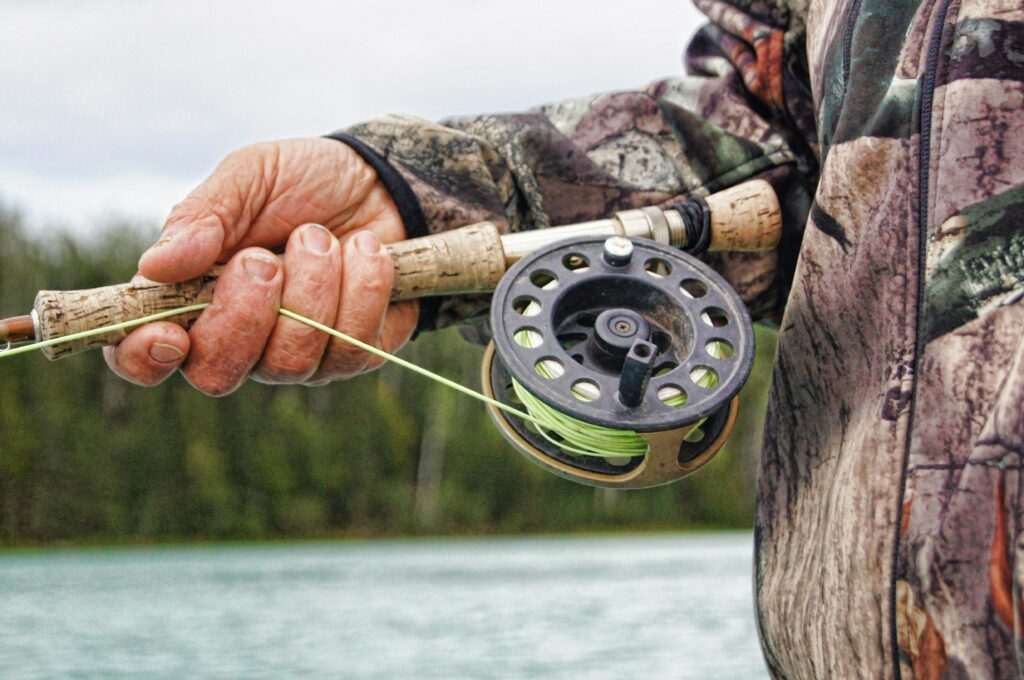
The upper Kenai near Cooper Landing features fly-fishing-only sections — some of the most beautiful water in Alaska. Drifting nymphs through deep blue pools with the Kenai Mountains as your backdrop is a memory you won’t forget. The upper river is quieter and more scenic, a world apart from the combat sockeye fishing downstream.
Licenses and Costs
Non-resident Alaska fishing licenses cost approximately $25/day or $105/season. Add a king salmon stamp (~$45) if you’re targeting chinook. Buy online through ADF&G or at any sporting goods store in Anchorage or along the Kenai. Many guided trips bundle licenses in their fee — ask when booking.
Before making the drive south, consider warming up closer to town. Ship Creek Salmon Fishing in downtown Anchorage offers surprisingly good urban salmon action, and Bird Creek Fishing along Turnagain Arm is another solid option without leaving the greater Anchorage area.
Plan Your Trip
The best Kenai fishing runs June through August, with the sockeye peak in mid-July being the single most productive window. Book guided trips well in advance — top guides fill their calendars months ahead. Bring rain gear, rubber-soled wading boots, and polarized sunglasses. And save room in the cooler: fresh Kenai sockeye, smoked the same day you catch it, is one of Alaska’s greatest culinary pleasures.
Featured photo by Caleb Park on Pexels.


No comments yet.