
Alaska Zoo Anchorage 2026 Visitor Guide — Animals, Hours & Tips
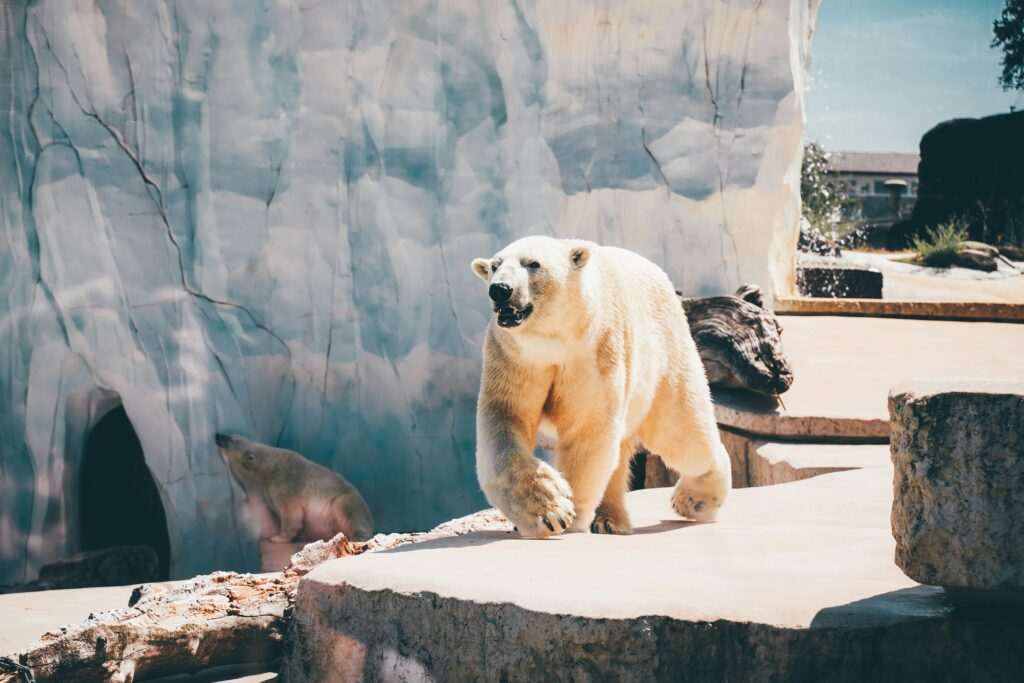
Alaska’s Only Zoo — and One of Its Best Family Days Out
The Alaska Zoo sits at 4731 O’Malley Road in south Anchorage, tucked against the Chugach foothills about 15 minutes from downtown. It’s the only zoo in the state, and it earns that distinction with a focus that sets it apart from zoos you’ll find in the Lower 48: nearly every resident animal is either native to Alaska or adapted to cold climates. The result is a collection that feels authentically Alaskan rather than a generic catalog of exotic species — and a visit that regularly exceeds expectations for first-time guests.
What You’ll See
The Alaska Zoo’s animal roster reads like a field guide to the far north. Polar bears are the centerpiece attraction — Ahpun, one of the zoo’s longtime residents, draws crowds to her enclosure throughout the day. The zoo also houses Denali, a brown bear, alongside wolves, wolverines, musk oxen, reindeer, Dall sheep, and Steller sea lions. Cold-climate animals from elsewhere in the world round out the collection: snow leopards, Amur tigers, and Bactrian camels share space with Alaska natives in a way that underscores what cold adaptation looks like across continents.
Birds of prey — including bald eagles and owls — occupy dedicated enclosures, and the zoo’s bird collection includes species found throughout Alaska’s interior and coastal regions. The variety within the zoo’s roughly 25-acre footprint surprises many visitors who expect something smaller.
Hours, Admission, and Practical Details
The Alaska Zoo operates daily in summer (late May through early September), typically opening at 9 a.m. and closing at 6 p.m., with last entry an hour before close. Winter hours are reduced. Adult admission runs approximately $15, children’s tickets around $10, and children under 2 enter free — though pricing is subject to change, so check the zoo’s website before your visit for current rates.
Parking is free. The grounds are stroller-friendly along the main paved paths, though some areas near enclosures involve gravel or uneven terrain. An on-site café handles snacks and light meals — plan on 2 to 3 hours for a thorough visit, more if you catch keeper talks or special programming.
Best Time to Visit
Morning visits reward early risers. Cold-climate animals are most active during the cooler hours before midday — polar bears, wolverines, and snow leopards in particular move and play far more during morning than on warm summer afternoons when they tend to rest in shade. Arriving at opening also means smaller crowds before tour groups and families with young children arrive mid-morning.
Keeper talks happen on a rotating schedule throughout the day in summer, offering a closer look at individual animals and their conservation stories. The zoo website posts the daily schedule — these 10-to-15-minute presentations are worth building your visit around.
What Makes the Alaska Zoo Different
Most zoos organize their collections around geography or taxonomy — Africa, Asia, Americas. The Alaska Zoo organizes around climate and conservation mission. Many of the animals here are rescues: orphaned cubs, injured raptors, animals that entered the zoo system because they could no longer survive in the wild. That backstory runs through interpretive signage throughout the grounds, giving visitors a clearer sense of what each animal represents and why it’s there.
The zoo also maintains ties to the Alaska conservation community, with staff participating in research and rescue efforts statewide. For families with children who have strong interests in wildlife, that conservation framing provides richer context than most facilities its size.
A visit here also rewards patience in a way that many larger zoos don’t. The 25-acre footprint is manageable enough to revisit enclosures multiple times in a single day. Animals like wolverines and snow leopards can be elusive during midday, but circling back after a keeper talk often finds them active. The Alaska Zoo also runs seasonal programming in fall and winter — late-season visits in September and October bring lighter crowds and noticeably more active predators as temperatures cool. Holiday light events extend the zoo’s appeal well beyond the summer tourist season, giving Anchorage residents a reason to return throughout the year.
Combining the Zoo with Other Family Activities
The Alaska Zoo pairs well with a full day of south Anchorage activity. Family Adventure Camp offers guided outdoor programs for kids wanting more hands-on time. For wildlife in a more naturalistic setting, Alaska Wildlife Conservation Center — about 50 miles south along the Seward Highway — provides a drive-through experience with moose, bison, bears, and caribou in open enclosures, making a natural full-day combination.
Getting There
From downtown Anchorage, take the New Seward Highway south to O’Malley Road and turn east — the zoo entrance is about a mile in, on the right. The drive takes 15 to 20 minutes. No transit route serves the zoo directly, so a car or rideshare is the practical option.
Conservation Mission and History
The Alaska Zoo opened in 1969 after a local family won a baby Asian elephant at a raffle and needed a place to house her. That elephant, Annabelle, became the zoo’s first resident and its most beloved ambassador until her death in 1997. The zoo has since evolved into an accredited facility focused on Alaska and cold-climate species — a mission that distinguishes it from most lower-48 zoos, which prioritize tropical and savanna animals that require heated facilities year-round.
The zoo works with the Alaska Department of Fish & Game on wildlife rehabilitation, housing non-releasable animals that were injured or imprinted on humans and cannot survive in the wild. Many of the bears, wolves, and raptors at the zoo arrived as orphaned animals. That rehabilitation context shapes the visitor experience — you’re not just looking at animals in enclosures, you’re meeting individuals with known histories.
Frequently Asked Questions
How much does the Alaska Zoo cost in 2026?
Adult admission is approximately $15 and children’s tickets run around $10, with children under 2 admitted free. Prices are subject to change — verify current rates on the Alaska Zoo website before your visit.
How long should I plan for a visit to the Alaska Zoo?
Plan 2 to 3 hours for a complete visit. If you want to catch keeper talks (typically 10–15 minutes each, scheduled throughout the day in summer), build in extra time or plan your arrival around the day’s talk schedule.
What animals are at the Alaska Zoo?
The Alaska Zoo houses polar bears (including Ahpun), brown bears, wolves, wolverines, musk oxen, reindeer, snow leopards, Amur tigers, Steller sea lions, Dall sheep, Bactrian camels, bald eagles, owls, and more — all either native to Alaska or adapted to cold climates.
Is the Alaska Zoo good for young children?
Yes. The main paths are stroller-friendly, admission is free for children under 2, and the animal collection — particularly the bears and wolves — engages young visitors easily. Morning visits are recommended since animals are most active in cooler hours.


No comments yet.