Whitewater Rafting Near Anchorage, Alaska 2026: Six Mile Creek, Matanuska & More
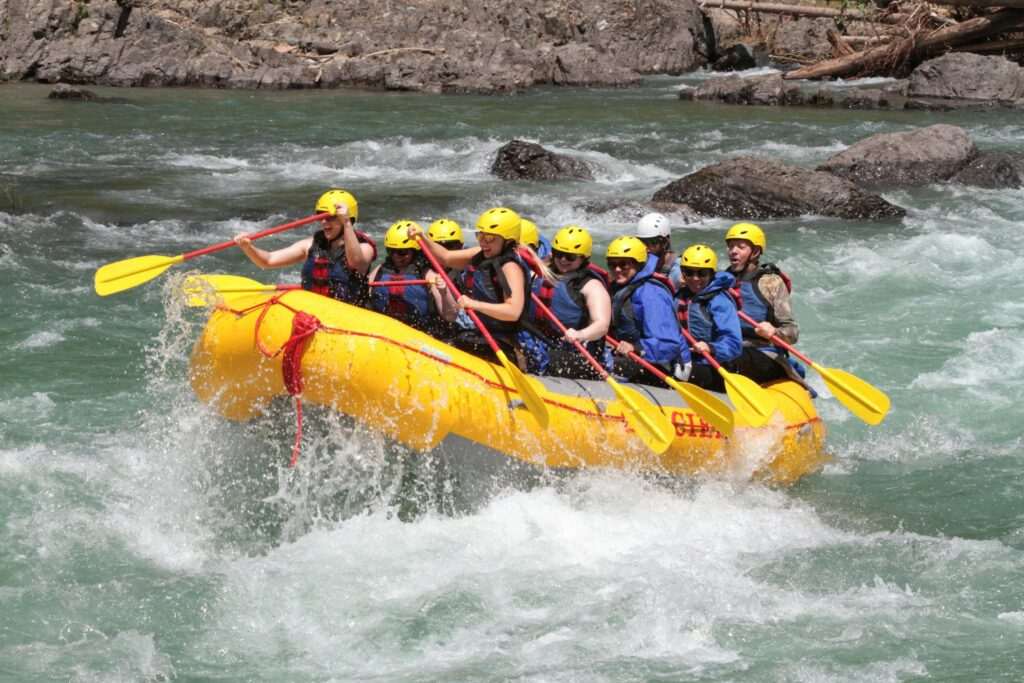
If you are looking for whitewater rafting near Anchorage, Alaska, you have excellent options within a two-hour drive. From the heart-pounding Class IV–V canyons of Six Mile Creek to the scenic Class III swells of the Matanuska River, the Anchorage region delivers some of the most accessible glacier-fed whitewater in the country. Whether you are visiting for a week or living here full-time, a day on the river belongs on your summer list.
Whitewater Rafting Near Anchorage at a Glance
| River | Drive from Anchorage | Difficulty | Best For |
|---|---|---|---|
| Six Mile Creek | ~90 min south | Class III–V | Thrill-seekers, guided trips |
| Matanuska River | ~2 hrs north | Class III–IV | Intermediate paddlers |
| Chickaloon River | ~80–90 min northeast | Class II–III+ | Experienced self-guided rafters |
| Kenai River (upper) | ~2.5 hrs south | Class I–II | Families, beginners |
Six Mile Creek — The Best Whitewater Rafting Near Anchorage for Serious Paddlers
Six Mile Creek sits near Hope on the Kenai Peninsula, roughly 90 minutes south of Anchorage. It is consistently ranked as the most technical whitewater day trip accessible from the city, and for good reason. The creek drops more than 50 feet per mile as it carves through three separate canyons in the Chugach Mountains, with canyon walls rising 300 feet above the water.
The two main options are the Class IV Two Canyon Run and the Class IV–V Three Canyon Run. At higher water levels in early summer, the rapids intensify and the Three Canyon Run earns a full Class V rating. Named rapids like Staircase, Suckhole, and Jaws give you a fair preview of what to expect. Old-growth rainforest lines the banks, and bear, moose, and bald eagle sightings are common between the action.
This run is guide territory. Outfitters including NOVA Alaska Guides (operating since 1975) and Flow AK Whitewater Rafting run regular half-day trips and provide all safety gear — helmets, dry suits, personal flotation devices. If you are showing up cold with no rafting background, book a guided trip and do not attempt the creek independently.
Matanuska River — Class III Whitewater with Mountain Views
The Matanuska River offers a different kind of day. Located about two hours north of Anchorage on the Glenn Highway near Chickaloon, the Lions Head section provides consistent Class III–IV rapids paired with views of the Chugach and Talkeetna ranges that frankly compete with the river for attention. If Six Mile Creek is an adrenaline run, the Matanuska is an adventure that also happens to look spectacular.
This stretch is accessible for paddlers with moderate experience and works well as a step up from beginner floats. Guided half-day trips operate through the summer, with NOVA Alaska Guides and several other operators running regular departures from Glacier View. Gear is provided, and most trips include transport logistics from a centralized meeting point near Anchorage.
Chickaloon River — A 33-Mile Float for Experienced Rafters
The Chickaloon River runs roughly 80–90 minutes northeast of Anchorage along the Glenn Highway and offers a different character than the two main runs. A popular 33-mile section features Class II–III+ rapids that steepen during high-water periods. Some sections require helicopters to access the put-in. This is not a beginner run — the Chickaloon rewards experienced paddlers with solid read-and-run skills who want a more expedition-like feel without committing to a multi-day trip.
For the Chickaloon specifically, confirm logistics with outfitters in advance — access, shuttle, and put-in details vary by water level and season.
Family Rafting Options — Kenai River Upper Section
Not every family is looking for Class IV whitewater. The upper Kenai River near Cooper Landing, about 2.5 hours from Anchorage, offers a scenic float that works for mixed-age groups and first-timers. The main stretch is mostly Class I with one Class II rapid, and two-hour departures run daily through the summer. Alaska Rivers Company and Alaska Wildland Adventures both offer guided Kenai options, including a longer Kenai Canyon trip for families who want more time on the water.
The minimum age for scenic floats is typically five years and 35 pounds. Wildlife is the draw as much as the water: moose, Dall sheep, salmon runs, and bald eagles are regular sightings along the Kenai corridor inside the National Wildlife Refuge.
When to Go — Rafting Season Near Anchorage
Peak season runs June through August. Snowmelt in June creates the highest and most dynamic water levels — Six Mile Creek at high water is a significantly more challenging experience than the same run in August. Mid-July and August tend to offer more predictable conditions for intermediate rafters. Always confirm current water levels with your outfitter before booking, especially for Six Mile Creek where the difficulty rating can shift substantially.
What to Wear on Alaska Rivers
Alaska glacier-fed water is cold year-round, and most reputable outfitters provide dry suits or wetsuits as standard equipment. Underneath, layer synthetic base layers or wool — avoid cotton entirely. Bring a hat that can get wet, wool or synthetic socks, and rain gear for the shuttle ride back. Sunglasses with a retention strap are worth it. Most guided trips supply helmets, life jackets, and river shoes.
If you are self-guiding (appropriate for the Chickaloon or upper Kenai), bring more: a dry bag, first aid kit, communication plan, and ideally a spare paddle. The weather along the Glenn Highway corridor changes fast.
Planning Your Anchorage Day Trip Around Rafting
A rafting day pairs well with other outdoor activities in the area. For Glenn Highway trips (Matanuska, Chickaloon), the Eagle River Nature Center is a natural first stop with trail access and ranger programs just off the highway. Farther north, Hatcher Pass and Independence Mine State Historical Park is worth a stop on the drive home, and closer to the city, Chugach State Park has accessible trailheads for every fitness level. Most guided rafting trips run half-day formats that leave mornings or evenings free for other activities.
Book guided trips in advance during peak summer months — NOVA, Flow AK, and Alaska Rivers Company all fill up quickly in July. Most operators include shuttle service from a meeting point and cover safety briefings on-site. Confirm what is included in your booking: some trips provide a full gear package, others expect guests to bring their own layers.
Whitewater Rafting Near Anchorage FAQ
What is the best whitewater rafting near Anchorage, Alaska?
Six Mile Creek near Hope is the most technical and popular day trip from Anchorage, offering Class III–V rapids depending on water levels. The Matanuska River is the best intermediate option with spectacular mountain views. For families, the upper Kenai River is the right call.
Do I need experience for whitewater rafting near Anchorage?
Not for guided trips on Six Mile Creek or the Matanuska — outfitters handle the technical work and provide safety equipment and briefings. For self-guided trips on the Chickaloon or upper Kenai, prior paddling experience is recommended.
What months is whitewater rafting available near Anchorage?
Most guided trips run June through August, with peak season in July. High water in early June creates the most intense conditions on Six Mile Creek. August is often the most accessible for intermediate rafters.
How far is Six Mile Creek from Anchorage?
Six Mile Creek near Hope is approximately 90 minutes south of Anchorage via the Seward Highway and Hope Road. Most outfitters depart from a meeting point near Anchorage and handle the shuttle.
Featured photo by Walter Rock on Pexels.
No comments yet.