
Alaska Marine Highway Ferry 2026: How to Ride the State Ferry System
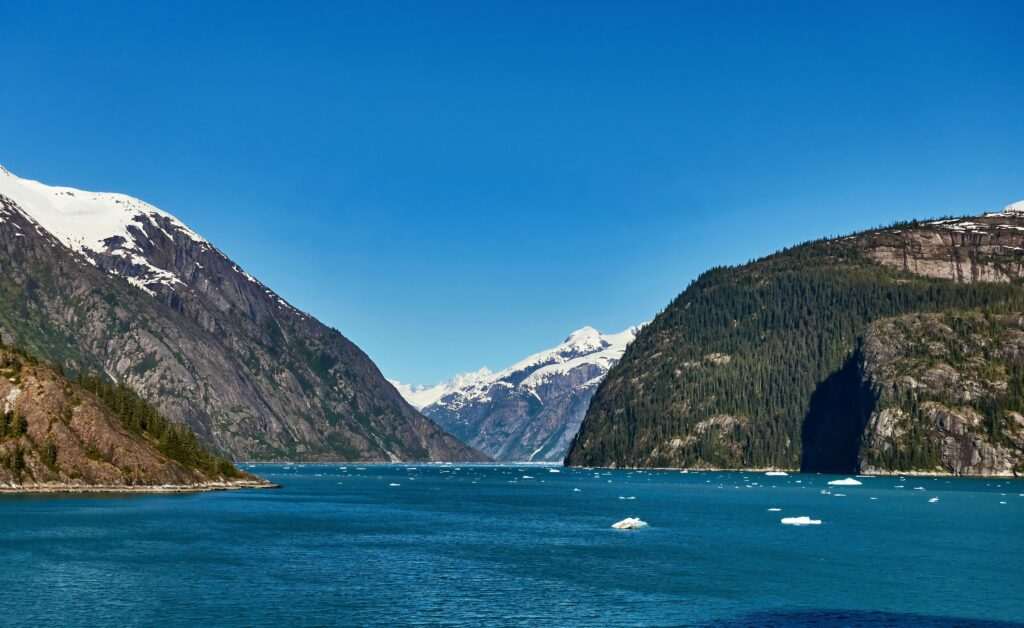
Alaska has a ferry system the way other states have highways — because for dozens of coastal communities, the water is the highway. The Alaska Marine Highway System (AMHS) connects approximately 35 communities across Southeast, Southcentral, and Southwest Alaska, many of which have no road access at all. For visitors, it offers something rare in modern travel: a slow, scenic ocean journey through some of the most dramatic coastal landscapes on Earth, at prices far below what a cruise ship charges, with the freedom to come and go at your own pace.
This guide covers the routes most relevant to visitors based in Anchorage, the practical details of booking and boarding, and what to expect from one of North America’s most underrated travel experiences.
What Is the Alaska Marine Highway System?
The AMHS is a state-operated fleet of ocean-going ferries administered by the Alaska Department of Transportation. The system stretches from Bellingham, Washington — just south of the Canadian border — north through the Inside Passage to Southeast Alaska communities including Ketchikan, Wrangell, Petersburg, Sitka, and Juneau, then west through Prince William Sound and the Gulf of Alaska to communities including Whittier, Valdez, Cordova, Kodiak, and further into the Aleutians.
The vessels range from small inter-island ferries to large ocean ships with staterooms, restaurants, observation decks, and solaria (glass-enclosed sun lounges). Some routes run daily in summer; others operate just a few times per week. The system is scheduled, ticketed, and reliable — but it moves at ocean pace, not airline pace. That’s the point.
Routes Relevant from Anchorage
Whittier to Valdez: The Prince William Sound Crossing
For visitors based in Anchorage, this is the most accessible AMHS route. Whittier — reached via a one-hour drive through the Anton Anderson Memorial Tunnel — serves as the Southcentral hub for Prince William Sound ferry service. The crossing to Valdez takes approximately six hours and passes through some of the most spectacular marine scenery in Alaska: narrow fjords flanked by hanging glaciers, the Columbia Glacier (one of the largest tidewater glaciers in North America) visible in the distance, and a reliable cast of humpback whales, orcas, Dall’s porpoises, sea otters, and Steller sea lions.
This route is particularly valuable for trip planning because it eliminates the need to backtrack. Drive from Anchorage to Whittier, board the ferry, spend six hours watching glaciers and wildlife from the deck, and arrive in Valdez — then continue by road through the Copper River Valley and Wrangell-St. Elias country back toward Anchorage via the Glenn Highway. The resulting loop covers some of Alaska’s greatest scenery without retracing a single mile.
The Whittier-Valdez route is seasonal with limited summer sailings per week. Book early — this crossing sells out in peak summer. Verify the current schedule at the AMHS booking portal (dot.state.ak.us/amhs) and confirm sailing times before planning the rest of your itinerary around it.
Homer to Kodiak: Reaching the Emerald Isle
Homer, on the southern tip of the Kenai Peninsula about 4.5 hours from Anchorage, is the departure point for ferry service to Kodiak Island. The crossing takes roughly 9–10 hours and operates overnight on some sailings, making it practical to board in the evening and wake up in Kodiak. The passage crosses the Gulf of Alaska — rougher water than Prince William Sound — so motion sickness medication is advisable.
Kodiak is one of Alaska’s most compelling destinations for independent travelers: home to the largest land-based brown bears in the world (Kodiak bears, a subspecies), world-class fishing, the Alutiiq Museum, and a working fishing port atmosphere that feels authentically Alaskan rather than tourist-oriented. Reaching Kodiak by ferry rather than flying preserves the sense of arrival by sea that the island deserves.
The Inside Passage: Bellingham to Southeast Alaska
The AMHS’s most famous journey begins in Bellingham, Washington, and winds north through the Inside Passage — a protected coastal route threading between Vancouver Island, the British Columbia coast, and the Alexander Archipelago of Southeast Alaska. The full northbound journey to Juneau takes 2.5 to 4 days depending on stops, passing through Ketchikan, Wrangell, and Petersburg along the way. Extending to Sitka or Haines adds additional days.
This route is typically the anchor of a stand-alone Southeast Alaska itinerary rather than an add-on to an Anchorage trip — the logistics of combining both regions in one visit require careful planning. But for travelers with two or more weeks, it’s possible to fly into Anchorage, travel the Southcentral interior, board the ferry from Whittier to Valdez, then eventually work your way south through the Inside Passage and disembark in Bellingham for a flight home. It’s a slow-travel dream itinerary.
The large Inside Passage vessels — the Kennicott and Tustumena are the primary ships on this route — offer a genuine long-voyage experience: dining rooms, observation lounges, solaria with deck chairs, and (on some vessels) USDA Forest Service rangers who give interpretive talks on glaciers, rainforest ecology, and Alaska Native culture during the journey. Whale sightings from the observation deck are common, particularly in Frederick Sound and Chatham Strait — two of Alaska’s most productive humpback feeding areas.
Booking: What You Need to Know
Where and When to Book
Book online at dot.state.ak.us/amhs — the AMHS reservation portal. Popular summer sailings, particularly the Whittier-Valdez crossing and Inside Passage routes in July and August, sell out months in advance, especially if you’re bringing a vehicle. Open the booking calendar as soon as your travel dates are firm. Foot passengers have more flexibility than vehicle passengers, but cabin berths on multi-day sailings also fill early.
Accommodation Options Onboard
- Reclining seat (cheapest): No assigned berth — you sleep in a reclining airline-style seat or claim deck space in the solarium. Bring a sleeping bag and sleeping pad. Popular with budget travelers and Alaskans who have been doing this for decades.
- Standard cabin: A small private cabin with bunk beds, a porthole, and a door that locks. Shared bathrooms on the corridor. The practical choice for most travelers on overnight sailings.
- Deluxe cabin: Slightly larger, sometimes with a private bathroom. More comfortable for longer journeys; books out fastest.
For the six-hour Whittier-Valdez crossing, a cabin isn’t necessary — the scenery is the reason to stay on deck the entire time. For the Homer-Kodiak overnight or any Inside Passage sailing, a cabin makes the experience significantly more comfortable.
Bringing a Vehicle
The AMHS accommodates cars, trucks, RVs, motorcycles, and bicycles. Vehicle space is limited and must be reserved separately from passenger tickets. An RV on the Inside Passage route is a classic Alaska experience — you have your own accommodation onboard and your own vehicle waiting when you disembark in Juneau or Ketchikan. Fees vary by vehicle size; verify current rates at the time of booking.
Pets
Pets are allowed on AMHS ferries in designated areas. Dogs and cats must remain in the vehicle deck or designated pet areas; they are not permitted in passenger lounges or cabins. Plan accordingly for long sailings.
What to Bring
- Binoculars: Essential. Whales, eagles, bears on shore, glaciers — everything is best viewed with magnification from the deck.
- Warm layers and a windproof jacket: Ocean decks are cold even in summer, particularly on longer crossings. The solarium is heated but outdoor deck time is where the wildlife viewing happens.
- Seasickness medication: For the Homer-Kodiak Gulf crossing and any sailing exposed to open ocean. Take it the night before, not the morning of.
- Sleeping bag and pad: If traveling recliner class on any multi-hour sailing.
- Food and snacks: Onboard cafeterias serve basic meals but bring your own for variety and cost savings. Alcohol is available at the bar on larger vessels.
- Camera: Obvious, but bring more memory cards than you think you’ll need. The scenery is relentless.
The Slow Travel Appeal
The Alaska Marine Highway is not for travelers in a hurry. It moves at the pace of the tide — or close to it. That is precisely its value. You cannot see the Inside Passage from an airplane window the way you can from a ferry deck: the scale of the mountains, the blue-white of a glacier calving face, the breath of a humpback surfacing fifty feet from the rail. The ferry puts you at water level, in the landscape, for hours at a time.
Fellow passengers on AMHS sailings are an interesting cross-section of Alaska: fishermen heading back to remote communities, families making the annual run to Juneau, adventure travelers who planned their entire trip around the ferry schedule, and the occasional visitor who stumbled onto the system and can’t believe they hadn’t heard of it before. Strike up conversations. Ask where people are going and why. The ferry is a piece of Alaska infrastructure that Alaskans actually use — and that authenticity is part of what makes riding it feel different from a cruise.
Plan Your Alaska Marine Highway Journey
Start with the AMHS schedule at dot.state.ak.us/amhs and identify the routes that fit your dates and itinerary. For most Anchorage-based visitors, the Whittier-Valdez crossing is the most accessible entry point — a day trip that transforms a straightforward road loop into a genuine ocean journey. Book early, pack layers, bring binoculars, and clear your afternoon schedule. The Alaska Marine Highway has a way of running a few hours late, and you won’t mind at all once you’re watching glaciers slide past the bow.
No comments yet.