
Alaska Wildlife Photography Tips 2026 — Best Spots, Gear & Timing Near Anchorage
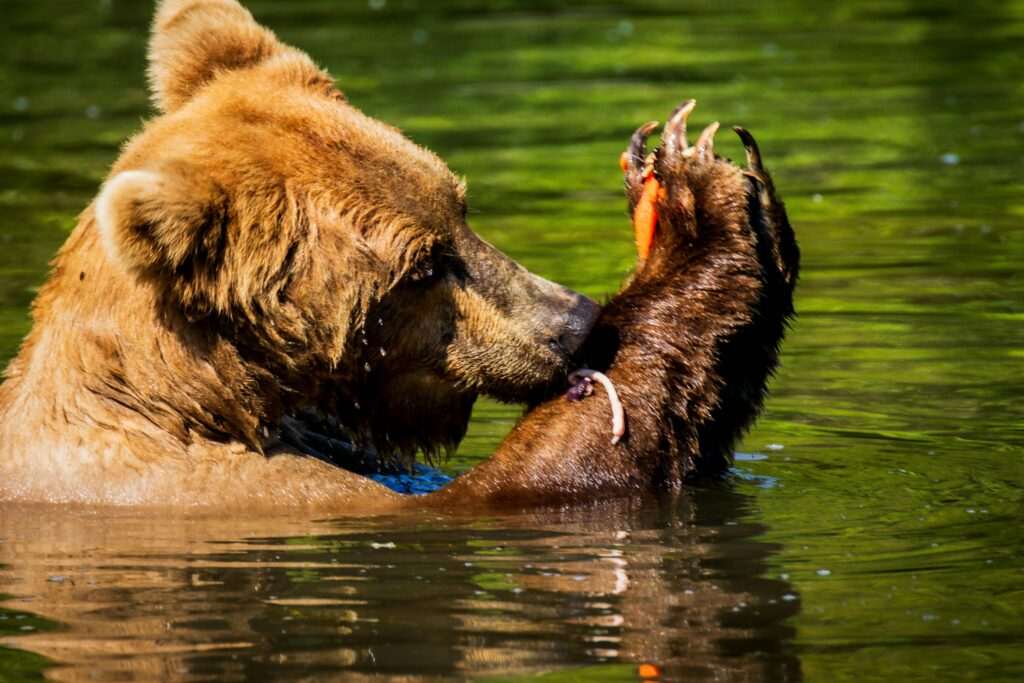
Alaska exists at a scale that recalibrates wildlife photography. The animals are large, abundant, and present in country that is genuinely wild rather than carefully managed to look that way. A bear fishing a salmon river within driving distance of Anchorage is not a wildlife park exhibit — it is a bear doing what bears have done in that river for thousands of years, and the photograph you take there carries a quality that managed wildlife encounters cannot replicate. For photographers willing to combine fieldwork with the logistics of Alaska travel, the Anchorage region offers a concentration of species, habitats, and reliable access points that is rare anywhere in the world. This guide covers where to go, when to go, what to bring, and how to do it without disturbing the subjects that make it worth going in the first place.
Why Alaska Changes Wildlife Photography
Three things make Alaska exceptional for wildlife photographers. The first is megafauna density: brown bears, black bears, moose, Dall sheep, caribou, wolves, beluga whales, and bald eagles are not rare sightings requiring weeks of field time — they are routine encounters in the right locations at the right seasons. The second is daylight. In June, Anchorage gets nearly 20 hours of sun, and the sun never climbs high enough to produce the harsh midday light that flattens images. The golden hour that lasts 45 minutes in the continental United States lasts three to four hours in Alaska in midsummer, with low-angle warm light from mid-evening through midnight and again from very early morning. The third is access. Within 90 minutes of downtown Anchorage, a photographer can be at a salmon river with active bears, an alpine meadow with Dall sheep, a tidal marsh with migratory shorebirds, and a coastal trail with moose in the willows. No other city in North America offers this range.
Alaska Wildlife Conservation Center
For photographers who want guaranteed close encounters — particularly on arrival days before field logistics are established, or during the rainy stretches when remote locations lose their appeal — the Alaska Wildlife Conservation Center in the Portage Valley, 50 miles south of Anchorage on the Seward Highway, is the right first stop. The center houses brown bears, black bears, musk oxen, wood bison, caribou, elk, moose, and wolves in large, naturalistic enclosures that produce images indistinguishable from wild encounters when framed carefully. The animals are close, habituated to observation, and active at predictable times. For a photographer new to Alaska species, the AWCC is where you learn to expose correctly for a brown bear’s dark fur before you’re standing in a salmon stream hoping to get it right while bears are fishing ten yards away.
The bison herd, reintroduced to Alaska after a century’s absence, is a particularly good subject — massive animals in a landscape that feels genuinely wild. Come early in the morning or in the evening for low-angle light and more active animal behavior. The AWCC also provides context about each species that enriches photographs taken later in the field.
Tony Knowles Coastal Trail
The Tony Knowles Coastal Trail, an 11-mile paved multi-use path along the western edge of Anchorage above Cook Inlet, is one of the most productive moose photography corridors in the city. The willowed wetlands along the trail’s northern sections — particularly between Westchester Lagoon and Earthquake Park — are reliable moose habitat at dawn and dusk. Moose are large enough to photograph effectively at distances that feel safe (50 yards or more) with a 100–400mm lens, and their silhouettes against Cook Inlet at first light produce images that communicate Alaska immediately and specifically.
The coastal trail also offers views across Turnagain Arm toward the Chugach peaks, and in season — July through September on incoming tides — beluga whales are occasionally visible from the trail’s western sections. Bald eagles are a year-round presence, perching on snags above the beach and soaring on thermals above the bluff. The trail is accessible at multiple points along its length; the Earthquake Park and Westchester Lagoon trailheads are the most productive for wildlife-focused mornings.
Potter Marsh Wildlife Viewing Area
The Potter Marsh Bird Sanctuary, at the southern end of Anchorage along the Seward Highway, is Alaska’s most accessible wetland photography location. A 1,500-foot boardwalk extends over the marsh, providing elevated shooting platforms above the grasses and giving photographers clean sightlines for waterfowl and shorebirds without having to work through foreground vegetation. Arctic terns, various duck species, sandpipers, and Canada geese use the marsh through the season; trumpeter swans appear in fall. Moose wade the marsh with some regularity, and the boardwalk elevation means you’re often shooting at eye level with a wading moose rather than from an awkward downward angle.
The timing window at Potter Marsh that photographers specifically target is the spring shorebird migration, peaking in late April and early May, when the marsh hosts concentrations of dowitchers, yellowlegs, and sandpipers in numbers that make for excellent flight and action shots. The fall waterfowl staging in September and October produces dense congregations of ducks and geese against the early autumn color of the surrounding vegetation.
Turnagain Arm: Dall Sheep and Belugas
The Seward Highway corridor along Turnagain Arm delivers two spectacular subjects in close proximity. The cliffs above the highway between Indian and Bird Creek are consistent Dall sheep habitat, and the white animals against gray rock are visible from the road at distances that serve a 400–600mm lens well. Sheep photography here requires patience and positioning — pull into a safe turnout and glass the cliff faces systematically. Rams are most active and most interesting photographically during the September and October rut, when they engage in the horn-clashing displays that produce dramatic action imagery.
In the inlet below, Cook Inlet beluga whales appear on incoming tides from July through September, following salmon runs into the upper inlet. Belugas are photographed effectively from the Beluga Point pullout at Mile 110 — the elevated vantage and the low summer light reflecting off the water’s surface produce the best results. A 400mm lens is borderline; 500–600mm gives you meaningful frame fill. Early morning is ideal both for light quality and for the calmer water surface that makes white-on-dark-water detection far easier.
Chugach State Park Trailheads
The trailheads accessing Chugach State Park from the Anchorage hillside — Flattop Mountain, Glen Alps, Rabbit Lake — put photographers into alpine terrain within 30 minutes of downtown. Above treeline, marmots are curious and photographically cooperative in mid-summer; ptarmigan in their white winter plumage are exceptional in early spring before full molt. Dall sheep in the higher country above Glen Alps are best approached with patience and substantial focal length — plan for at least 400mm. The wide, open terrain of Chugach alpine is also among the best in the region for landscape compositions that include wildlife, where an animal in the foreground and a peak or ridgeline behind it tells the full Alaska story in a single frame.
Gear for Alaska Wildlife Photography
Lens choice is the single most consequential gear decision. A 100–400mm zoom covers the full range of subject distances you’ll encounter at AWCC and from roadside pullouts. A 150–600mm or prime 500–600mm gives you more working distance for truly wild animals at salmon rivers and alpine terrain, where the minimum ethical approach distances for bears (50 yards per NPS guidance) require that additional reach. Budget travelers find that a rented 500mm prime for the key weeks of a trip performs significantly better than a purchased mid-range zoom at maximum extension.
Weather sealing is not optional. The Kenai Peninsula and Chugach Mountains generate persistent precipitation — plan for rain on at least half of your shooting days, and bring rain cover for your body and lens. A monopod serves better than a tripod for most Alaska wildlife situations: quick to set up at roadside pullouts, stable enough for image-stabilized lenses at 400–500mm, and portable on trail walks where a full tripod becomes a burden. Extra batteries are essential — cold drains lithium cells at roughly twice the rate of temperate conditions, and September mornings near the Matanuska Glacier or at high-elevation trailheads are genuinely cold. Carry four batteries minimum and rotate them through an interior pocket.
Timing: Subjects by Season
Bears are most photogenic in two windows: May through July, when sow-and-cub groups appear as the young bears are old enough to accompany their mothers into the open, and September, when bears enter hyperphagia — the intensive pre-denning feeding phase — and can be found at salmon streams in daylong feeding frenzies that provide action-shot opportunities throughout the session. The hyperphagia period at streams like Russian River in the Kenai produces some of the most technically demanding and rewarding wildlife photography in Alaska.
Moose calves, leggy and copper-colored against green vegetation, peak in May and June. The cows are highly protective and provide dramatic behavior photography, but maintain significant distance — cow moose with calves are more dangerous than bears in most Alaska wildlife encounters. Migratory shorebirds pass through Potter Marsh and coastal mudflats in April–May (northbound) and July–August (southbound), with the southbound juvenile migration producing the largest concentrations. Dall sheep rams are active and confrontational from September through November, with horn-clashing encounters concentrated in the rut’s peak in November — cold but spectacular for photographers willing to spend field time at elevation.
Working Alaska’s Golden Hour
In June and early July, the sun in Anchorage never drops below the horizon. What this means photographically: the golden hour is not an hour — it is three to four hours of warm, low-angle directional light beginning around 9 PM and continuing through midnight, followed by a brief civil twilight and then the same quality of light again from around 3 AM through sunrise. Shooting at noon is technically possible but produces the same flat, overhead light it does anywhere. The correct schedule for Alaska midsummer wildlife photography is to sleep from roughly 1 to 6 AM, shoot through the morning, rest in the afternoon, and return to shooting from 8 PM onward. The most experienced Alaska wildlife photographers structure their entire schedules around the evening and early-morning light windows, which often means the most productive sessions coincide with other visitors heading to dinner.
By September, golden hours compress toward more conventional timing: sunrise around 7:30 AM, sunset around 8:30 PM, with the slant light of early fall producing especially rich color on tundra vegetation and the golds and reds of birch stands in the Mat-Su Valley. Fall is many photographers’ preferred Alaska season — the light is more manageable, the crowds thinner, and the fall color background transforms landscape-with-wildlife compositions from technically competent to genuinely outstanding.
Field Ethics
Maintain minimum distances: 50 yards from bears and wolves per National Park Service guidance; 25 yards from moose and other large mammals. Never bait wildlife or use calls that distract animals from natural behavior. Stay on established trails in sensitive habitat. The standard test for whether you are too close: if the animal changes its behavior in response to your presence — stops feeding, orients toward you, moves away — you are too close. Back up and wait. The photographs you take at the correct distance, with patience, will be better than anything obtained by pressing closer, and the animal will still be there for the next photographer.



No comments yet.