
Alaska Food Guide 2026: What to Eat & Drink in Anchorage and Beyond
Alaska’s food culture runs deeper than reindeer sausage carts (though those are essential). The state produces wild-caught seafood of extraordinary quality, unique wild ingredients that don’t appear anywhere else on the continent, and a craft beverage scene that’s developed its own distinctly Alaskan identity. Here’s what to eat, where to find it, and what to take home.
The Seafood Essentials
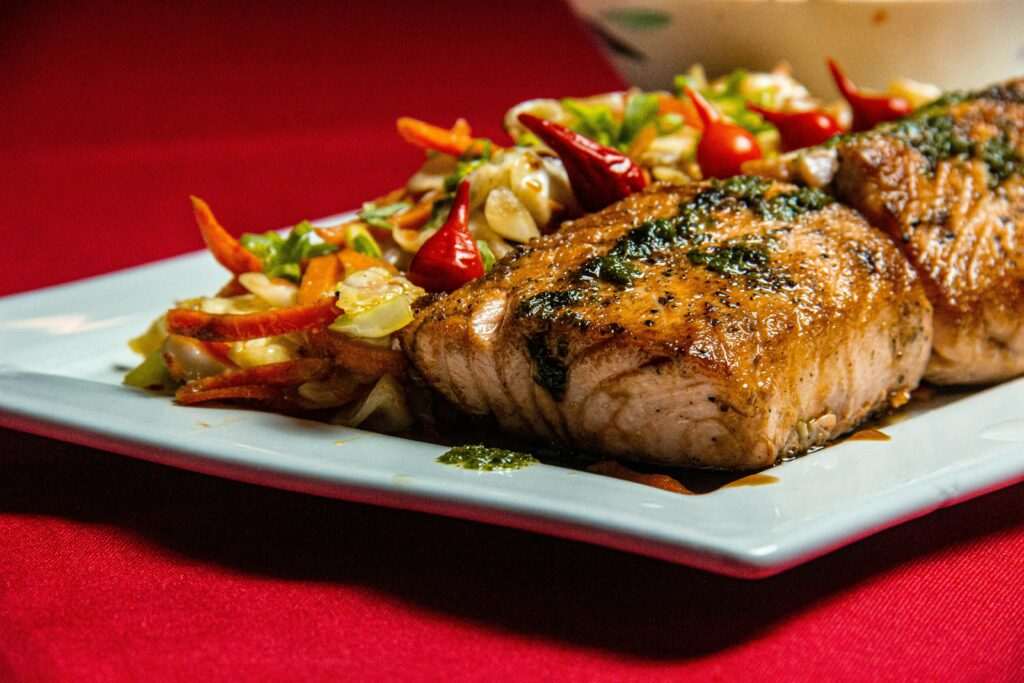
Wild salmon is the defining Alaska food experience, and the species matter. King (Chinook) salmon is the richest, most buttery, highest in omega-3s — expensive and worth it. Copper River sockeye (red salmon) has an intense flavor profile that converts skeptics. Silver (coho) salmon runs August–September and is excellent grilled or baked. When restaurants list the specific species and origin (Copper River, Kenai, Bristol Bay), that information reflects the quality and provenance — it’s not just marketing.
The honest advice: order salmon at every opportunity in Alaska, especially at places that source locally. The difference between wild-caught Alaska salmon and grocery store farm-raised is not subtle.
Halibut is Alaska’s most prized white fish — lean, firm, sweet, and excellent in fish and chips, tacos, or simply pan-seared. Summer is peak halibut season; the fish is at its freshest at coastal communities and restaurants near the ports.
King crab is the luxury item of the Alaska seafood portfolio — massive legs of sweet, rich crab that justify the price. Dungeness crab is more accessible and nearly as good. Both are best eaten simply, without competing sauces.
Spot prawns are Alaska’s finest shrimp product — sweet, firm, large, and dramatically better than the frozen Gulf shrimp sold most places. Available at farmers markets and some specialty restaurants in season.
The Iconic Street Food
Reindeer sausage hot dogs are an Anchorage institution. The carts on 4th Avenue downtown serve them grilled in a split roll with grilled onions and mustard. The sausage has a slightly gamey, savory character from the reindeer that distinguishes it from pork sausage. Get one within the first hour of arriving in Anchorage. You’ll probably get another one before you leave.
Unique Alaska Produce and Wild Ingredients
Birch syrup is Alaska’s answer to maple syrup — sweeter, more complex, with notes of caramel and wildness that maple doesn’t have. It requires significantly more sap than maple syrup to produce, which makes it expensive and somewhat rare. Worth seeking out at farmers markets and specialty shops. Use it on pancakes, in cocktails, or as a glaze for salmon.
Fireweed products appear throughout Alaska’s artisan food scene — fireweed jelly, fireweed honey, fireweed syrup. Fireweed is the tall purple wildflower that dominates disturbed terrain throughout Alaska in summer. The products made from it have a floral, slightly sweet character that’s distinctly Alaskan.
Wild blueberries in Alaska are different from the commercial blueberries you know — smaller, more intense, tarter. Wild blueberry jam from a local producer has a flavor concentrated enough to stop you mid-bite. Look for it at farmers markets.
Rhubarb grows prolifically in Alaska’s long summer days, and rhubarb pie, rhubarb jam, and rhubarb-based baked goods appear everywhere from diners to farmers markets.
Alaska Native Foods: Learn Respectfully
Alaska Native food traditions represent thousands of years of adaptation to specific environments and are deeply culturally significant. Visitors can engage with these traditions respectfully at cultural centers and specific food events rather than through tourist cafes serving extracted commodities.
The Anchorage Museum’s programming and cultural demonstrations occasionally include traditional food education. Alaska Native cultural markets and the annual events tied to specific communities are the most authentic contexts for experiencing akutaq (often called Eskimo ice cream — traditionally made with berries, fat, and fish), dried salmon, and other traditional foods. Approach with curiosity and respect, not just appetite.
Alaska Craft Beverages
Alaskan Brewing Company (based in Juneau) is the state’s largest and most recognized craft brewery, with flagship beers including Alaskan Amber (a German-style altbier) and seasonal specials including their smoked porter that uses alder-smoked malt. Available throughout Alaska in bars, restaurants, and liquor stores.
Anchorage Distillery produces spirits made with Alaska ingredients, including distinctive expressions of birch-infused spirits. The distillery is worth visiting for a tasting if you’re in midtown Anchorage.
Spruce tip gin has emerged as a signature Alaska craft spirit — gins distilled with young spruce tips harvested in spring that add a piney, resinous, distinctly northern character. Several Alaska distilleries produce versions; it’s become the cocktail ingredient that says “this drink was made in Alaska.”
Where to Find It in Anchorage
The Anchorage Market & Festival (Saturday and Sunday, downtown Anchorage) is the best single location for local food vendors — smoked salmon, birch syrup, wild berry products, fresh produce, and prepared foods from local producers. The Spenard Farmers Market and Anchorage Midtown Farmers Market provide additional options mid-week and Saturday.
The Town Square Park Friday Market in downtown Anchorage is a smaller weekly market with local vendors including food producers.
What to Bring Home
Smoked salmon is the classic Alaska edible souvenir — vacuum-sealed and preserved, it travels well in checked luggage or can be shipped. Buy it from Alaska-based producers rather than airport gift shops for authentic product at reasonable prices. Several Anchorage-area smokeries sell directly at the Anchorage Market.
Birch syrup travels well and makes a genuinely unusual gift that most recipients won’t have encountered before.
Wild berry jams and jellies — blueberry, cranberry, cloudberry, or fireweed — pack easily and represent real Alaska ingredients rather than manufactured souvenirs.
Alaska Wild Berry Products operates locations in Anchorage and Juneau with a broad selection of Alaska-made jams, jellies, candies, and preserves — a reliable one-stop option for edible gifts.
Alaska’s food culture rewards the curious visitor who moves past the predictable tourist options. The wild ingredients, the fresh seafood, and the craft producers working with distinctly Alaskan materials add up to a food scene that’s more distinctive than most visitors expect.





No comments yet.