Copper River Salmon & Cordova 2026: Alaska’s Most Famous Wild Salmon
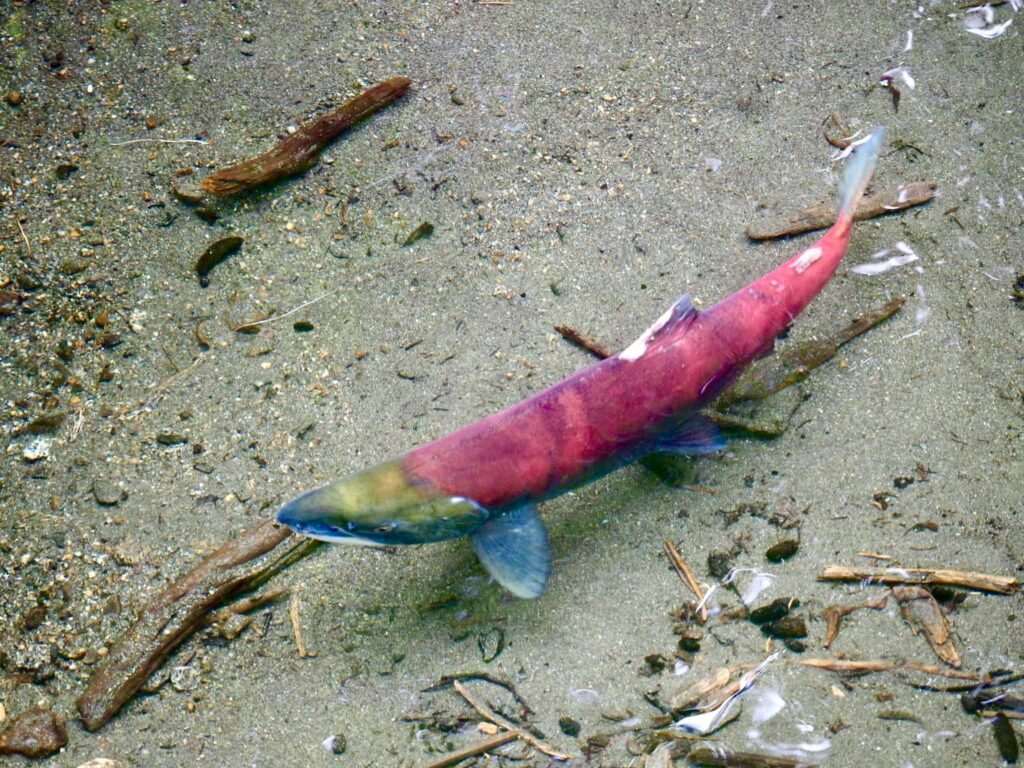
Every year in mid-May, when the first Copper River king salmon hits the docks in Cordova, Alaska, restaurants from New York to Los Angeles start updating their specials boards. Copper River salmon has become one of the most recognized regional food products in America — a piece of the Alaska wild that arrives with genuine provenance and a flavor profile that justifies every bit of the reputation.
Here’s what makes the Copper River system special, how to get to Cordova, and what to do when you arrive during salmon season.
Why Copper River Salmon Is Different
The Copper River runs 300 miles from the glaciers of the Wrangell-St. Elias range to the Gulf of Alaska at Cordova. It’s a massive, cold, glacially fed river with powerful currents — and the salmon that run it have evolved to carry exceptionally high fat content to sustain the long upstream migration.
That fat content — omega-3 rich, deeply marbled through the flesh — is what makes Copper River salmon taste different from other wild salmon. Both species are remarkable: the king salmon (Chinook) that lead the run in mid-May are extraordinary — some of the richest, most buttery salmon flesh you’ll find anywhere — and the sockeye (red salmon) that peak through late May and June are the most intensely flavored sockeye in Alaska’s salmon portfolio.
The fishing season is brief. Kings run for only a few weeks in May and early June. Sockeye peak from late May through July. The limited seasonal window is part of what creates the anticipation and the market.
Getting to Cordova
Cordova has no road connection to the highway system. You get there one of two ways:
Alaska Airlines flies daily (seasonally multiple flights per day) from Anchorage to Merle K. (Mudhole) Smith Airport in Cordova. The flight takes about 45 minutes and gives you a spectacular aerial view of the Copper River Delta and the Chugach Mountains on approach. Book early for May and June flights during salmon season — capacity is limited and demand is high.
Alaska Marine Highway ferry serves Cordova from Whittier (about 60 miles east of Anchorage through the tunnel) on a schedule that varies seasonally. The ferry ride takes 6–7 hours and is a scenic journey through Prince William Sound. Check the Alaska Marine Highway schedule at dot.alaska.gov for 2026 sailings.
Buying Copper River Salmon
This is the primary reason most food travelers come to Cordova: buying salmon directly from the source, either fresh off the boat or flash-frozen the same day it’s caught.
Several Cordova seafood companies sell directly to consumers during salmon season. Prices are significantly lower than what you’d pay at a specialty market in Seattle or New York, and the fish is at its freshest. Many operations will vacuum-pack and flash-freeze your purchase and arrange shipping to your home address, arriving in insulated packaging within 1–2 days.
If you’re flying home through Anchorage, you can also pack frozen Copper River salmon in your checked luggage in a well-insulated cooler — airline regulations allow frozen fish in checked baggage, and the salmon will stay frozen for the flight home if properly packed. Cordova seafood companies are experienced with packing salmon for airline travel and can advise on the best approach.
Eating Copper River Salmon in Cordova
During salmon season, fresh Copper River salmon appears on every restaurant menu in Cordova. The quality at local restaurants during peak season is as good as salmon gets anywhere — fish that was swimming the day before, prepared simply to let the flavor speak. The standard advice applies here: in Alaska during salmon season, order the salmon.
Orca Adventure Lodge and several local restaurants serve fresh Copper River preparations through the season. The Powder House Bar & Grill is a Cordova institution with reliable salmon preparations and a local atmosphere that reflects the fishing community character of the town.
Fishing the Copper River
Sport fishing on the Copper River and its tributaries is available, though the river itself is large, fast, and requires local knowledge. Guided fishing trips are the practical approach for visitors. Several Cordova-based guides offer drift boat and bank fishing trips for both kings and sockeyes during the season. Rates are comparable to other Alaska guided salmon fishing operations.
The Eyak River near Cordova offers more accessible sockeye fishing without requiring a guide — public access points, reasonable bank conditions, and sockeye that run the river in strong numbers. Check current ADF&G regulations and run updates before fishing.
Beyond the Salmon: Cordova’s Other Highlights
Childs Glacier and the Million Dollar Bridge are accessible via the Copper River Highway, an unpaved road that follows the old Copper River & Northwestern Railway route 50 miles east of Cordova. Childs Glacier is one of the most active calving glaciers in Alaska accessible by road — massive ice faces with frequent calving events. The Million Dollar Bridge (built in 1909–1910 as part of the copper mining railway) was damaged in the 1964 earthquake and partially repaired. The combination of industrial history and raw glacier scenery on this drive is remarkable.
The Copper River Delta is one of the largest contiguous wetlands in North America and a critical stopover for millions of migratory shorebirds in spring — the Copper River Delta Shorebird Festival in early May draws birders from around the world. The delta’s combination of flat tidal mudflats and glaciated mountains behind is visually dramatic even for non-birders.
Chugach National Forest surrounds Cordova on the accessible sides, with hiking trails, kayaking on local lakes, and bear viewing opportunities in season. Cordova is a small fishing community with genuine local character — not a tourism town — which makes it refreshingly different from the more heavily visited parts of the Alaska coast.
Practical Tips
Cordova is small and fills up during salmon season. Book lodging well in advance for May and June. The town has limited lodging options; most visitors stay at the Orca Adventure Lodge, the Reluctant Fisherman Inn, or smaller B&Bs. Renting a car (there are a few rental options in Cordova) or using the local cab service is necessary to reach Childs Glacier and the outer areas.
Weather in Cordova is consistently overcast and wet — the area gets over 160 inches of rain annually. Pack rain gear regardless of the forecast. The fishing and the salmon don’t stop for rain, and neither should you.


No comments yet.