
Eagle River Nature Center 2026: Trails, Wildlife & Anchorage’s Backyard Wilderness
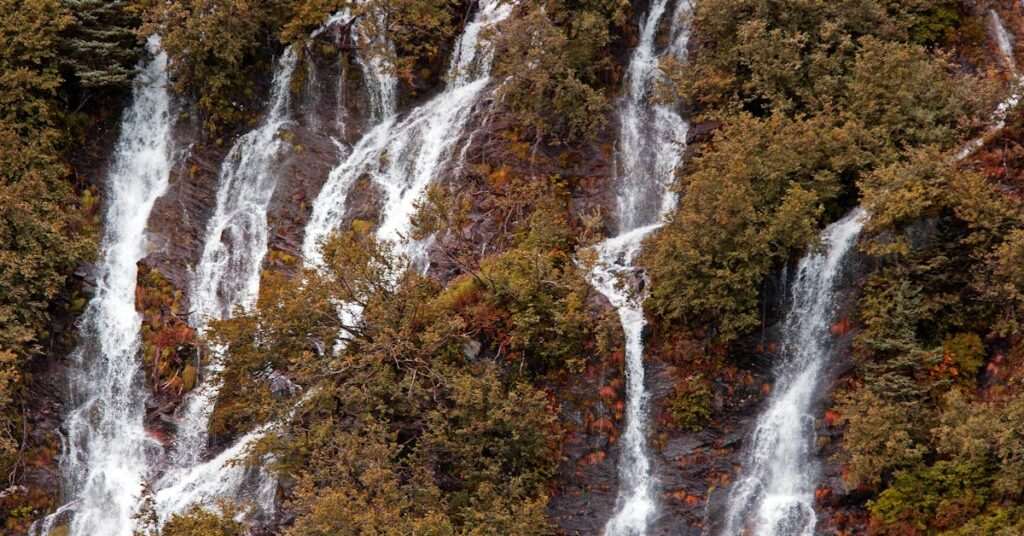
Thirty minutes north of downtown Anchorage, Eagle River Road climbs away from the highway and into the Chugach Mountains. The road follows the Eagle River valley — a braided, glacially-fed river flanked by dense spruce and birch — until it ends at the Eagle River Nature Center, a tucked-away facility that most Anchorage visitors walk right past. That’s a mistake. The Nature Center anchors a trail network that ranges from an accessible riverside boardwalk to the start of the historic Iditarod Trail, with moose in the willows, salmon in the river in fall, and the kind of mountain scenery that costs most tourists a helicopter flight.
The Eagle River Nature Center
The Eagle River Nature Center operates as a nonprofit and sits at the end of Eagle River Road in Chugach State Park, about 12 miles up the valley from the Glenn Highway interchange. The facility includes a visitor center with wildlife displays, rotating naturalist exhibits, and live programming for kids and families. Staff naturalists run guided walks, wildlife spotting sessions, and educational programs on Chugach ecosystems throughout the summer season.
Entry requires a day-use parking fee — currently $5 per vehicle, payable at the gate — or display of an Alaska State Parks pass. The Nature Center itself is free to enter once you’ve paid for parking. Hours run roughly 10 AM to 5 PM Tuesday through Sunday in peak summer season, with reduced hours in spring and fall. Check the current schedule before visiting, as hours shift seasonally.
Dogs are welcome on the trails but must be on a leash at all times. The parking area can fill on weekends in July and August — arrive before 10 AM on summer weekends to guarantee a spot.
Top Trails from the Nature Center
Rodak Nature Trail (0.75 miles, Easy)
The Rodak Nature Trail is the most accessible option at the Nature Center — a loop trail built partly on a raised boardwalk that winds through riparian habitat along the Eagle River. Interpretive signs identify plants, bird species, and geological features. The boardwalk sections make it navigable for strollers and wheelchairs during dry conditions, and the river views are consistently good. Salmon can be spotted from the boardwalk in August and September as they work upstream to spawn. This is the right choice for families with very young children or visitors who want a slow, observational walk rather than a hike.
Albert Loop Trail (3.1 miles, Easy–Moderate)
The Albert Loop is the go-to trail for visitors who want a proper hike without a serious elevation gain. The loop follows the Eagle River corridor through mixed forest, crossing small side streams and offering periodic river views. The terrain is mostly flat with some gentle rolling, and the forest canopy keeps the trail shaded on warm days. Watch for moose along the river bends and in the willow thickets — sightings are frequent enough that the Nature Center staff routinely post updates on recent moose locations. Allow two hours at a relaxed pace.
Echo Bend (1.5 miles out-and-back, Easy)
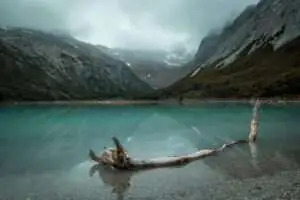
Echo Bend is a short trail that leads to a wide bend in the Eagle River where the water slows and the views open up to the surrounding peaks. The destination makes it feel more purposeful than a simple loop — you’re walking to something. The bend is a good spot for bird watching, and the calm water sometimes reflects the ridgeline above. This works well as an add-on after the Rodak loop for visitors who have extra time and want to extend their morning.
Historic Iditarod Trail (Open-ended, Moderate–Strenuous)
The trailhead for the Historic Iditarod Trail — the original route used to transport supplies and mail between Seward and Nome before the road and rail era — begins at the Nature Center. The trail heads up-valley into serious Chugach terrain, gaining elevation as it climbs toward Crow Pass and eventually connects to Girdwood on the other side. Day hikers typically go as far as Dishwater Creek (about 5 miles in) or the lower slopes of Crow Pass before turning back. The full traverse is a serious multi-day backcountry route. For day visitors, the Iditarod trail section offers an immediate shift in character — from the gentle river trail to exposed alpine terrain — and the views from the first few miles are dramatic.
Thunderbird Falls: The Easy Win Nearby
Thunderbird Falls is a separate trailhead located on Thunderbird Falls Road, just off the Eagle River interchange on the Glenn Highway — about 5 miles before you reach the Nature Center. The trail is short (roughly 1 mile each way), free to access (no parking fee required), and ends at a 200-foot waterfall that drops through a narrow basalt canyon into a pool below. The falls are most dramatic in late spring when snowmelt is running, but they flow year-round and are worth a stop in any season.
Thunderbird Falls pairs naturally with an Eagle River Nature Center visit. Stop at the falls first, then drive up Eagle River Road for the Nature Center trails — you’ll cover two distinct experiences in half a day with minimal driving between them.
Wildlife in the Eagle River Valley
Moose: The Eagle River corridor is prime moose habitat. Cows with calves are commonly seen along the river in late May and June. Keep distance — moose are large, fast, and unpredictable, and a cow protecting a calf is particularly dangerous. Give them the trail and wait.
Salmon: The Eagle River receives runs of pink salmon (late July–August) and coho salmon (September–October). From the boardwalk sections of the Rodak trail and Echo Bend, you may be able to spot fish holding in pools during the run. Bears follow the salmon, so bear awareness is especially important in August and September — make noise on the trail and carry bear spray.
Black bears: Black bears are present in Chugach State Park year-round. Sightings are less common than moose but not unusual. Follow standard bear safety: make noise while hiking, store food properly, and carry bear spray.
Birds: The riparian habitat along Eagle River supports Steller’s jays, varied thrushes, belted kingfishers, and bald eagles. The Nature Center staff can point you toward recent sightings.
The Drive Up Eagle River Road
The 12-mile drive from the Glenn Highway to the Nature Center is itself part of the experience. Eagle River Road follows the river closely, and moose sightings during the drive are common enough that the speed limit drops in sections to reduce wildlife collisions. The valley narrows as you climb, with the Chugach ridgeline rising steeply on both sides. In fall, the valley turns gold — birch and willow color shifts in late August, peaking in early to mid-September, and the combination of autumn foliage and river valley light makes this one of the more photogenic drives near Anchorage.
Practical Details
- Parking fee: $5/vehicle day use, or Alaska State Parks pass. Pay at the gate.
- Hours: Typically Tue–Sun, 10 AM–5 PM summer; reduced in shoulder seasons. Verify before visiting.
- Dogs: Allowed on leash.
- Best season: June through September. July–August for peak wildlife activity and full trail access. September for fall color and salmon runs.
- Cell service: Limited in the valley. Download offline maps before leaving Anchorage.
- Bear spray: Recommended, especially August–October when salmon are running.
Planning Your Visit
Eagle River Nature Center works as a standalone half-day trip or as part of a fuller Mat-Su/Chugach day. For guided hiking and outdoor experiences in the broader Anchorage area, Chugach State Park Trail Systems is the central resource for trail conditions and access, and Adventures by True North runs small-group Alaska wilderness tours that include the Eagle River area. For families looking for structured outdoor programming near Anchorage, Get Up and Go Tours is a good starting point for guided options across the region.
Eagle River Nature Center doesn’t show up on most visitors’ radar because it’s not in a brochure rack at the hotel — you have to know it’s there. That’s exactly what makes it worth the detour. The trails are good, the wildlife is real, and you’ll share the parking lot with locals rather than tour buses.
No comments yet.