Kodiak Island 2026: Complete Visitor Guide to Alaska’s Emerald Isle
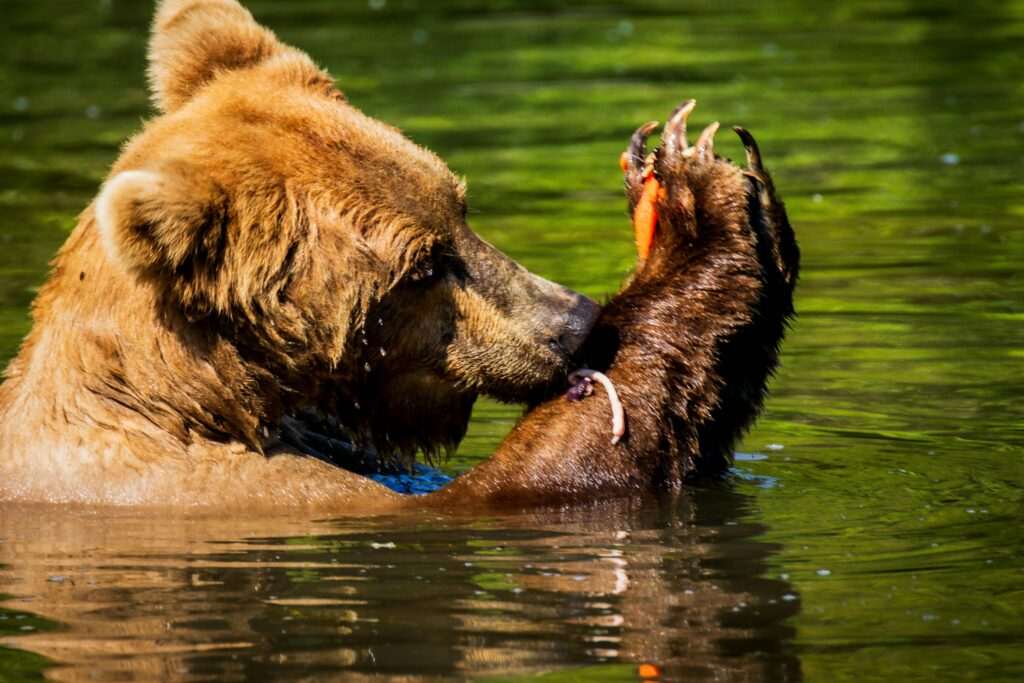
Kodiak Island sits in the Gulf of Alaska, 250 miles southwest of Anchorage, surrounded by the cold North Pacific and covered in a dense spruce forest that turns every ridge a deep, rain-soaked green — which is where the nickname “Emerald Isle” comes from. It is the second-largest island in the United States, larger than Connecticut, and most of it is roadless wilderness managed as the Kodiak National Wildlife Refuge. The island is best known for the Kodiak brown bear — a subspecies larger on average than interior Alaska grizzlies, reaching over 1,500 pounds — but it is also one of Alaska’s most productive sport fishing destinations, a serious commercial fishing port with authentic waterfront culture, and a place with a layered history running from the Alutiiq people through Russian colonization and World War II. For visitors based in Anchorage, it is an hour’s flight and a world away.
Getting There from Anchorage
Alaska Airlines operates multiple daily flights between Ted Stevens Anchorage International Airport and Kodiak Airport, with flight time approximately 50 minutes. Fares vary seasonally; summer advance booking is recommended. The flight itself is worthwhile — the approach over the island’s mountains and bays on a clear day gives an immediate sense of the island’s scale and terrain.
The Alaska Marine Highway System runs ferry service to Kodiak from Homer and other Southcentral Alaska ports. The ferry journey from Homer takes approximately 9 hours; the overnight voyage from Seward on the MV Kennicott connects Kodiak to the rest of the Southeast and Southcentral ferry system. The ferry is a legitimate travel experience in itself — you travel with the commercial fleet workers, subsistence hunters, and Alaska rural residents who use the ferry as basic transportation — but it requires significantly more time than flying. For a first Kodiak visit, flying in and taking the ferry out (or vice versa) combines efficiency with the full boat journey experience.
Kodiak National Wildlife Refuge and Brown Bear Viewing
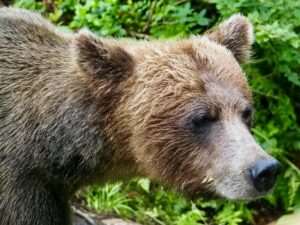
The Kodiak National Wildlife Refuge covers 1.9 million acres — nearly two-thirds of the island — and provides habitat for the Kodiak brown bear population of approximately 3,500 animals. There are no roads into the refuge; access is by float plane, boat, or on foot from road-accessible trailheads near the town of Kodiak. The most reliable bear viewing requires a guided fly-out: float plane operators based at the Kodiak waterfront run half-day and full-day bear viewing trips to river systems and meadow areas within the refuge, particularly during the salmon runs in July and August when bears congregate at fishing spots. These trips are the single best use of a Kodiak visit budget — prices run $400–$600 per person for a half-day fly-out, and the bear density and tolerance for human presence makes encounters dramatically more reliable than mainland Alaska viewing opportunities.
Bears are also present on the road system, particularly along the Anton Larsen Bay Road and the roads north of town. Drive slowly and scan meadows in early morning and evening. Kodiak bears are habituated to the presence of humans in a general sense — the island has no wolves and limited historical hunting pressure in some areas — but they remain wild animals and should be treated with corresponding respect and bear spray preparation.
Fort Abercrombie State Historical Park
Four miles northeast of downtown Kodiak, Fort Abercrombie was a World War II military installation built after the Japanese bombing of Dutch Harbor in 1942 to defend against potential invasion. The park preserves original concrete gun emplacements, bunkers, and fortifications set into the rocky headlands above the North Pacific, with gun mounts still in place and interpretive signage explaining the wartime history. The setting is as dramatic as the history: the fortifications overlook open ocean on a cliff-edged promontory surrounded by Sitka spruce, with views of offshore rocks where Steller sea lions and seabirds haul out. The park has hiking trails, a campground, and a lake for kayaking. Admission is free; the gun emplacement area is accessible without a guide and deserves at least two hours.
Baranov Museum and Alutiiq Museum
Downtown Kodiak holds two museums that together provide the historical context the landscape demands. The Baranov Museum — housed in the oldest Russian-built structure in Alaska, a warehouse erected around 1808 — covers the Russian America period, the sea otter fur trade, and the early history of European contact on Kodiak. Artifacts from the Russian era include original icons, trade goods, and archival materials.
The Alutiiq Museum is one of the most substantive indigenous cultural institutions in Alaska, built around and for the Alutiiq (Sugpiaq) people who have inhabited Kodiak for at least 7,500 years. The museum holds a collection of archaeological material, oral history recordings, and contemporary Alutiiq art, alongside exhibits on traditional lifeways, subsistence practices, and the impact of Russian colonization and the 1964 earthquake. The Alutiiq cultural center attached to the museum runs language and art revitalization programs actively; the museum is not static heritage display but living institutional infrastructure. Budget at least 90 minutes for each museum; both are open seasonally and charge modest admission fees.
Sport Fishing
Kodiak’s sport fishery is built around two species: Pacific halibut and Pacific salmon. The nearshore and offshore grounds around Kodiak produce large halibut reliably from June through September; 100-pound fish are not unusual, and catches over 200 pounds are taken every season. Full-day halibut charters depart from the Kodiak boat harbor and run to grounds in Chiniak Bay, Ugak Bay, and the outer coast. Multiple charter operators work out of the St. Paul Harbor; book several weeks ahead for peak season (July–August).
Salmon returns to Kodiak’s rivers include sockeye, pink, silver, and king salmon. The Buskin River, located near the airport and accessible without a vehicle, is one of the most productive roadside salmon streams in Alaska — a state-managed sport fishery that draws significant angling pressure but produces consistent catches of sockeye in July and silvers in August. Licenses are available at the sporting goods stores in town.
Whale Watching and Sea Kayaking
Kodiak’s waters support humpback whales through the summer, with sightings most reliable from June through September as the whales follow herring and other prey into the bays. Several Kodiak charter operators offer whale watching in combination with wildlife cruises covering sea otters, Steller sea lions, puffins, and other seabirds in the island’s sheltered bays and outer coast. Sea kayaking is excellent in the protected waters of Chiniak Bay, Near Island, and the passages north of town; rentals and guided tours are available from local outfitters. The combination of relatively calm bay water, abundant wildlife, and rugged coastal scenery makes Kodiak kayaking some of the most rewarding coastal paddling in Southcentral Alaska.
Town of Kodiak: Food, Lodging, and Culture
Kodiak is a working town of about 6,000 people, and the waterfront reflects it: processing plants, commercial fishing vessels, the Coast Guard base, and the ferry terminal give the harbor a functional character that distinguishes it from purely tourism-dependent Alaska towns. Henry’s Great Alaskan Restaurant is the long-standing local institution for seafood — the halibut and crab preparations are reliably good and the atmosphere is genuinely local. The Mill Bay Coffee and Pastries on Rezanof Drive is the standard morning stop. The Kodiak Island Brewing Company is the microbrewery anchor of the small downtown bar scene.
Lodging options include the Best Western Kodiak Inn (the largest hotel on the island, centrally located near the harbor), several bed-and-breakfasts, and vacation rentals throughout the residential neighborhoods. Book summer accommodation 4–6 weeks ahead; Kodiak has limited room inventory and the fishing season fills it quickly.
Best Time to Visit and Logistics
The optimal window for a Kodiak visit is late June through mid-August: salmon are running, bears are fishing, halibut grounds are productive, and the days are long. Kodiak receives significant rainfall year-round — it averages over 60 inches annually — so pack waterproof layers regardless of forecast. Weather changes rapidly and clear days alternate with fog and rain on a schedule that frustrates planning. The shoulder seasons (May and September) offer lower prices, fewer visitors, and the same wildlife with more unpredictable weather.
A meaningful Kodiak visit requires a minimum of two nights — one full day on the water or in the refuge, one day for the museums, town, and accessible fishing. Three nights allows a bear-viewing fly-out, a fishing charter, and the historical sites without rushing. A day trip from Anchorage is technically possible but leaves so little time on the ground as to be unsatisfying; the flight alone takes a meaningful portion of the day.
Kodiak is the Alaska that visitors imagine before they arrive and rarely find elsewhere — an island that is genuinely remote, genuinely wild, and genuinely working-class in a way that tourist Alaska rarely is. The bears are real, the fish are real, and the rain is very real. Go for at least two nights and bring a rain jacket.
Featured photo by Lamont Mead on Pexels.
No comments yet.