
Homer Alaska Guide 2026: Spit, Kachemak Bay & the Arts Scene
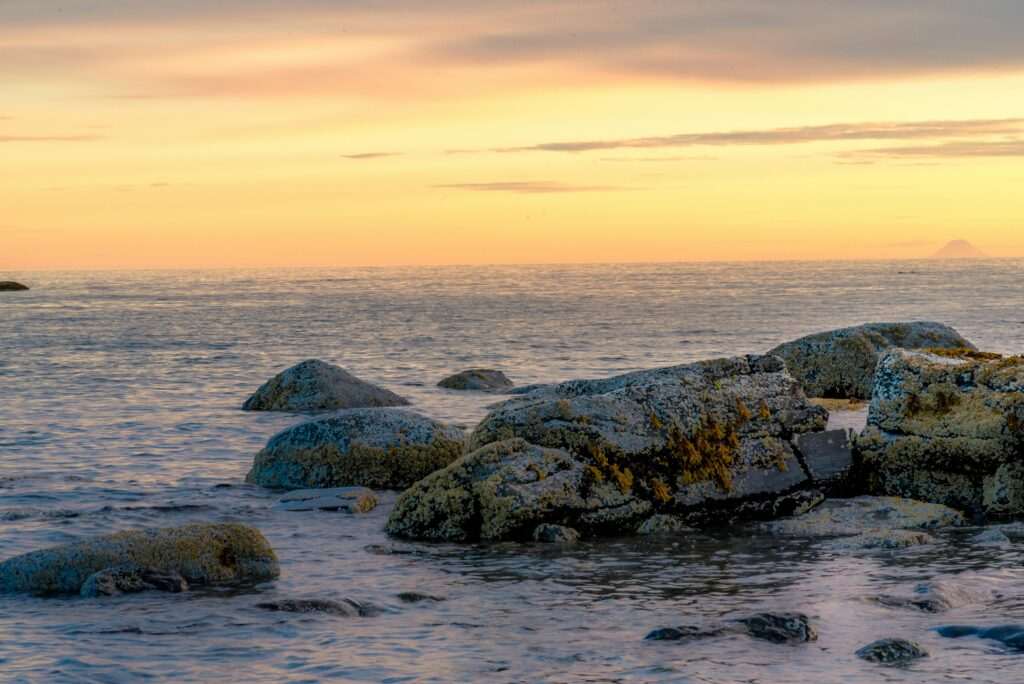
Homer sits at the end of the Sterling Highway, 226 miles south of Anchorage, at the point where the Kenai Peninsula runs out of road and the mountains fall into the sea. The city proper climbs a bluff above Kachemak Bay; below it, the Homer Spit — a 4.5-mile gravel finger extending into the bay — holds most of what visitors come for: charter boat docks, seafood shacks, galleries, a small boat harbor, and an RV campground with ocean views on both sides of the road. Across the water, Kachemak Bay State Park occupies the far shore, accessible only by water taxi and one of the most underused parks in the Alaska state system. Homer rewards at least two nights — one to exhaust the Spit and town, one to cross the bay.
The Homer Spit
The Spit is 4.5 miles long and rarely wider than a few hundred feet, with Kachemak Bay on one side and the outer harbor on the other. Walking it from the main highway intersection takes about an hour at a slow pace; most visitors make multiple passes. The commercial fishing harbor at the far end gives the Spit its economic anchor — Homer runs a significant commercial halibut and salmon fleet alongside the sport charter industry — and the smell of diesel and salt on a foggy morning is as authentic an Alaska harbor experience as exists.
The charter dock strip runs along the inner harbor side, with operators lined up offering halibut, salmon, and combination trips departing from 6 AM onward. Big Time Alaskan Fishing Adventures is among the established operators; many others work from the same dock area. Full-day halibut charters run $250–$350/person, and Homer’s halibut grounds in lower Cook Inlet are reliably productive. The fish processing shops on the Spit will clean, vacuum-seal, and box your catch for the drive or flight home.
Spit food and shopping: Cafe Cups and the Spit Café are the quick-eat options; the Fish Dock Restaurant offers sit-down dining with harbor views. The local gift economy on the Spit leans toward actual Alaska craftsmanship rather than mass-produced merchandise — look for hand-carved items, local photography, and work by Homer-based artists. The Spit also has a small public beach on the bay side accessible below the campground road, where the combination of calm water, bald eagles in the spruce trees above the bluff, and the Kachemak Bay wilderness visible across the water is as good a place to sit for an hour as Homer offers.
Kachemak Bay State Park
Across the bay, Kachemak Bay State Park is 400,000 acres of wilderness with no road access. The only way in is a water taxi from the Spit — several operators run scheduled service and custom charters to various points on the far shore, with trips taking 20–40 minutes depending on destination. The park receives a fraction of the visitors it deserves, partly because the water taxi step adds a planning layer that filters out casual visitors, and partly because it lacks the name recognition of Kenai Fjords or Denali.
What it has: excellent day-hiking on the Grewingk Glacier Trail system (the glacier is 3–5 miles from the standard water taxi drop-off at Glacier Spit), sea kayaking through the bay’s islands and coves, wildlife that includes black bears, mountain goats on the cliffs above the glacier, otters in the kelp beds offshore, and seabird colonies on the outer headlands. The hiking is genuine — plan for 6–8 hours for the full Grewingk Glacier loop with the lake crossing by raft-ferry provided at the trail junction. Book your water taxi return before you leave the Spit; the last runs are typically late afternoon and the park is not a place to be stranded.
Halibut Cove, a small artist community on the far shore accessible by the Danny J ferry (a local institution running since 1973), is an alternative to the state park for visitors who want the water crossing experience without a full hiking day. The cove has a floating restaurant, galleries, and boardwalk paths through the spruce. The Danny J runs scheduled lunch and dinner trips in summer; book in advance.
The Arts Scene
Homer has more working artists per capita than any city in Alaska and a culture of serious craft that extends well beyond the tourist-facing gallery strip. The infrastructure reflects it:
Pratt Museum: The anchor cultural institution in Homer, with exhibits on the natural and cultural history of Kachemak Bay, Alaska Native heritage of the region, and a consistently strong program of rotating art and science exhibitions. The outdoor sculpture garden is worth the walk-through even if you don’t enter. Open daily in summer; reduced hours in winter.
Bunnell Street Arts Center: The most serious contemporary art space in Homer, occupying a historic building on Pioneer Avenue. Rotating exhibitions by Alaska and national artists; the programming tilts toward conceptual and exploratory work rather than the landscape painting that dominates the commercial gallery strip. Free admission; open Tuesday through Saturday.
Gallery row on Pioneer Avenue and the Spit: A concentration of commercial galleries selling original work by local artists. Quality varies, but Homer has enough serious painters and ceramicists that browsing the strip rewards attention. The carving and jewelry tradition draws on both Alaska Native and contemporary craft influences.
Dining
Fat Olives Restaurant: The consensus best restaurant in Homer — a wine bar and full kitchen serving Mediterranean-influenced food with Alaska ingredients. The halibut preparation here is notably good, which in a fishing town is a meaningful endorsement. Reservations strongly recommended in summer; the dining room is small and fills by 7 PM.
Two Sisters Bakery: The mandatory morning stop on Pioneer Avenue, with exceptional pastries, strong coffee, and a line out the door on summer weekends. The quiche and the cinnamon rolls are both worth the wait. Open early and closes by early afternoon — plan accordingly.
The Salty Dawg Saloon: A Homer Spit landmark operating since 1897 (in various forms), made identifiable by the lighthouse-style tower. Not a food destination, but a genuine Alaska bar with the culture and décor to prove it — dollar bills stapled to every surface, fishing gear hanging from the ceiling, and locals who have been coming since before you were born.
The End-of-Road Culture
Homer’s “end of the road” identity is not just a geographic fact; it is a self-conscious character. The city has drawn artists, fishermen, back-to-the-landers, and people leaving other lives since the 1960s and 1970s, and the culture that resulted is genuinely distinct from Anchorage or any other Alaska city. It is more politically progressive than the state average, more eccentrically intellectual, and more likely to produce a stranger who wants to tell you about their subsistence fishing practices or their sculpture series than one who wants to sell you a tour. The locals’ nickname for Homer — “the cosmic hamlet by the sea” — is half self-deprecating, half accurate.
This expresses itself in practical visitor terms as: better independent bookstores than you would expect (Ptarmigan Books on Pioneer Avenue is excellent), a weekly farmers market in summer with local produce and crafts, and a general atmosphere in which spending an afternoon doing nothing in particular in a coffee shop or on the Spit feels exactly right. The pace is different from Anchorage, and that pace is part of what people are coming for.
Logistics: Day Trip vs. Overnight
Homer is 226 miles from Anchorage — roughly 4.5 hours each way on the Sterling Highway without stops. A true day trip is technically possible but leaves almost no time on the ground; you would arrive mid-morning and need to leave by 3 PM to make Anchorage by dark in summer. The drive itself (Seward Highway along Turnagain Arm, then the Sterling Highway through the Kenai Peninsula interior) is excellent, but combined with Homer exploration it makes for a very long day.
The realistic minimum is an overnight. Two nights allows a full first day on the Spit and in town, plus the water taxi crossing to Kachemak Bay State Park or Halibut Cove the second morning before the drive back. The Driftwood Inn on the main bluff and various vacation rentals through Airbnb are the primary lodging options; the Spit campground ($25–$35/night, no hookups) works for RV visitors and tents alike with the most atmospheric setting in Homer — you fall asleep with the water on both sides and wake to a harbor full of commercial boats. Book accommodations at least 3–4 weeks ahead for July visits.
If you are booking a halibut charter, coordinate your arrival the evening before your charter departure. Charters leave by 6–7 AM; arriving the night before eliminates the stress of the pre-dawn drive from Anchorage and gives you an evening on the Spit.
The drive back to Anchorage via the same Sterling and Seward Highways offers the option of stops at Cooper Landing (Kenai River area, sockeye salmon fishing in July) or Seward — building Homer into a broader Kenai Peninsula loop rather than a pure out-and-back is the most efficient use of the driving distance. Most visitors who do the full loop rate it as the best multi-day itinerary available from Anchorage.
Homer is one of the few Alaska destinations where visitors regularly extend their planned stay by a day. The combination of the fishing culture, the bay, the arts community, and the end-of-road atmosphere creates something that does not feel like anywhere else in Alaska. Give it more time than you think you need.


No comments yet.